
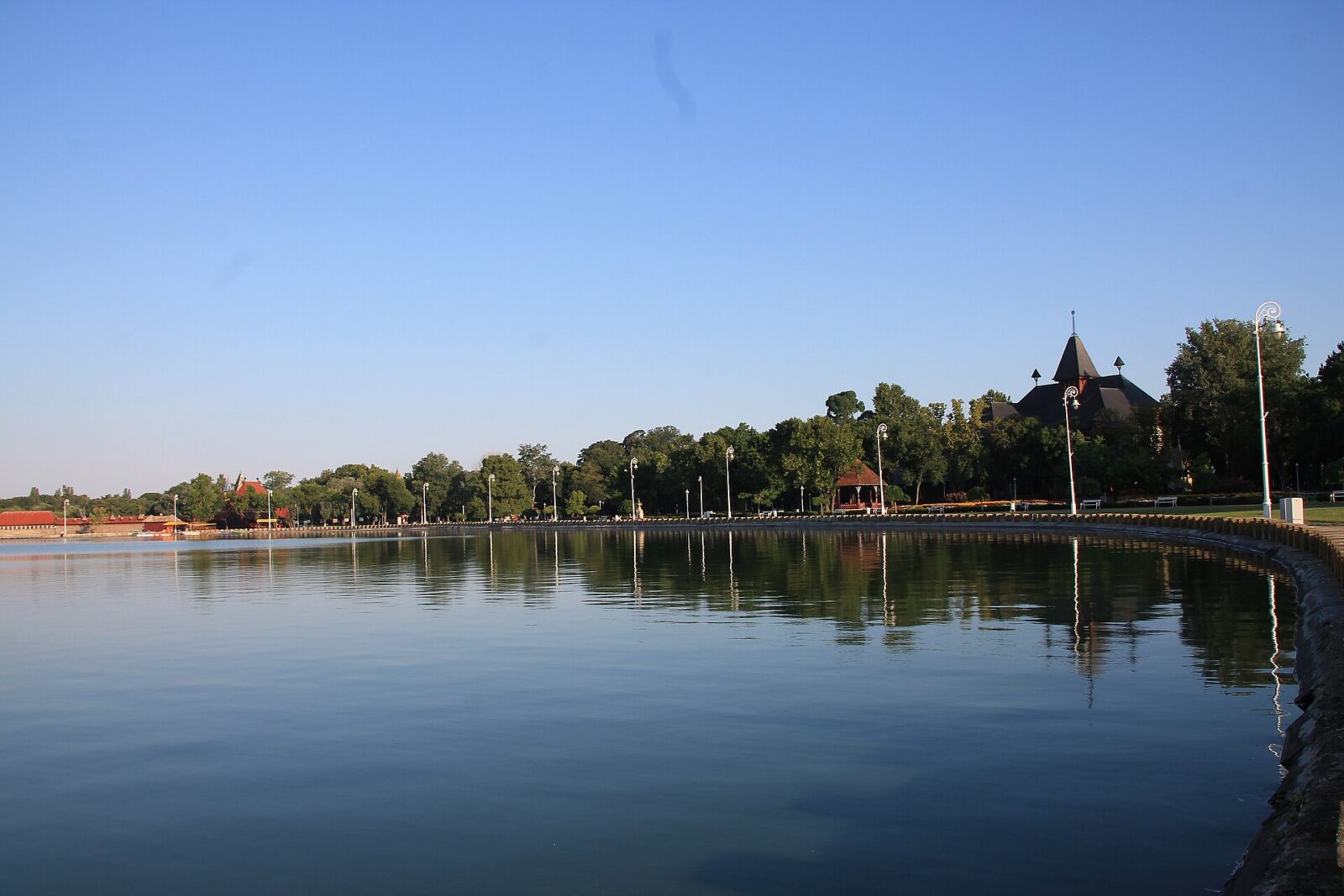
Palic is what Subotica does with its afternoons. The lake sits a few kilometres north of the city, ringed by a promenade, a zoo and a scatter of Art Nouveau pavilions built by the same wave of Budapest-trained architects who gave Subotica its Town Hall. Where the city centre is streets and squares, Palic is water, trees and a shoreline built for walking.
None of it needs advance planning. There’s a single paid gate at the zoo, a handful of bus lines that get you there, and a lake whose one open question, whether you can safely swim in it, has no confirmed answer either way.
Most of what’s here costs nothing to look at: the pavilions, the promenade, the water tower that marks the lakefront. The one paid attraction is the zoo, priced and dated clearly by its own operator. What isn’t settled, and what this page won’t pretend to know, is whether the lake itself is safe to swim in on any given visit.
Palic works either as a stop bolted onto a Subotica visit or as a slower half-day on its own, depending on how much of the walking loop and the zoo you want to fit in. Nothing here needs booking ahead, and nothing charges more than a few hundred dinars.
The short version. Zoo Palic costs 600 RSD for an adult, 500 RSD for children aged 5 to 15, 450 RSD for retirees with a card, and is free for children under 5 with a parent; it’s open every day of the year, though the exact daily hours vary and aren’t fixed on a printed table. Buses 6 and 10 run from Subotica, about 6 km away. The lake itself, Serbia’s largest natural one, carries a protected nature-park status, but no source establishes a swimming season or current water-quality rating, so treat that question as open rather than settled.
On this page
What it costs to visit the zoo
Zoo Palic’s own price list, updated at the end of August 2026, is the only admission fee published for anything at Palic. Everything else along the lakefront is described as something to walk past, not something to buy a ticket for.
| Ticket | Price |
|---|---|
| Adult, individual | 600 RSD |
| Child, 5-15 | 500 RSD |
| Retiree, with card | 450 RSD |
| Group, 10 or more people | 450 RSD per person |
| Parental ticket (parents with their own children up to 15) | 1,500 RSD flat |
| Individual annual pass | 5,000 RSD |
| Family annual pass (parents and children up to 15) | 10,000 RSD |
Children under 5 enter free if accompanied by a parent or guardian, and excursion group leaders enter free too. Children under 15 may not enter without an accompanying adult. The zoo’s own page states these prices are payable by cash or card at the entrance booth.
The annual passes are worth a second look if you’re staying in the area for more than a day or two: 5,000 RSD for an individual, or 10,000 RSD for a family covering parents and children up to 15, both a flat rate regardless of how many times you actually go back. For a single visit, the standard adult, child and parental prices above are the ones that matter.
When you can go
The zoo states plainly that it’s open 365 days a year, with no weekly closing day. What it doesn’t publish is a fixed year-round timetable: its own hours page shows a heading for “today’s business hours” rather than a printed table for the whole season, which suggests the times shift with the time of year, most likely running later in summer and shorter in winter, though the page itself never says so in those terms. Check the current day’s hours on the operator’s page before you set off rather than assume a single figure holds all season.
The lakeside pavilions and the promenade carry no opening hours at all, because nothing about them is ticketed. They’re outdoor structures you walk past on your own schedule, in daylight, like the rest of the shoreline.
Getting there from Subotica
The zoo’s own directions place it 6 km from Subotica and 5 km from the E75 motorway that runs between Budapest and Belgrade, with the Palic Water Tower 900 metres away on foot. A separate measurement, from the province’s nature-protection institute, puts the wider settlement at 7.5 km from Subotica; the two figures aren’t in conflict, they’re measured to different points on the lakefront. If you’re driving up from Belgrade or Novi Sad on the E75 rather than coming from Subotica itself, the Palic turn-off means you don’t need to go into the city centre first.
By bus from the city
City bus lines 6 and 10 run from Subotica to Palic, alongside suburban line 41 and interurban lines 42, 44, 49 and 73A, all operated by Subotica Trans, which publishes each line’s timetable on its own site. Public parking is available near the zoo entrance if you’re driving instead, and a taxi from central Subotica covers the same short distance in a few minutes if you’d rather skip working out which bus line to take.
Walking the shoreline
Palic rewards walking more than any single stop does. The lake, the promenade and the string of Art Nouveau buildings along the water form one continuous route, and none of it asks for a ticket except the zoo gate. Start at either end and you’ll pass most of what’s described below without needing a map or a plan.
Serbia’s largest natural lake
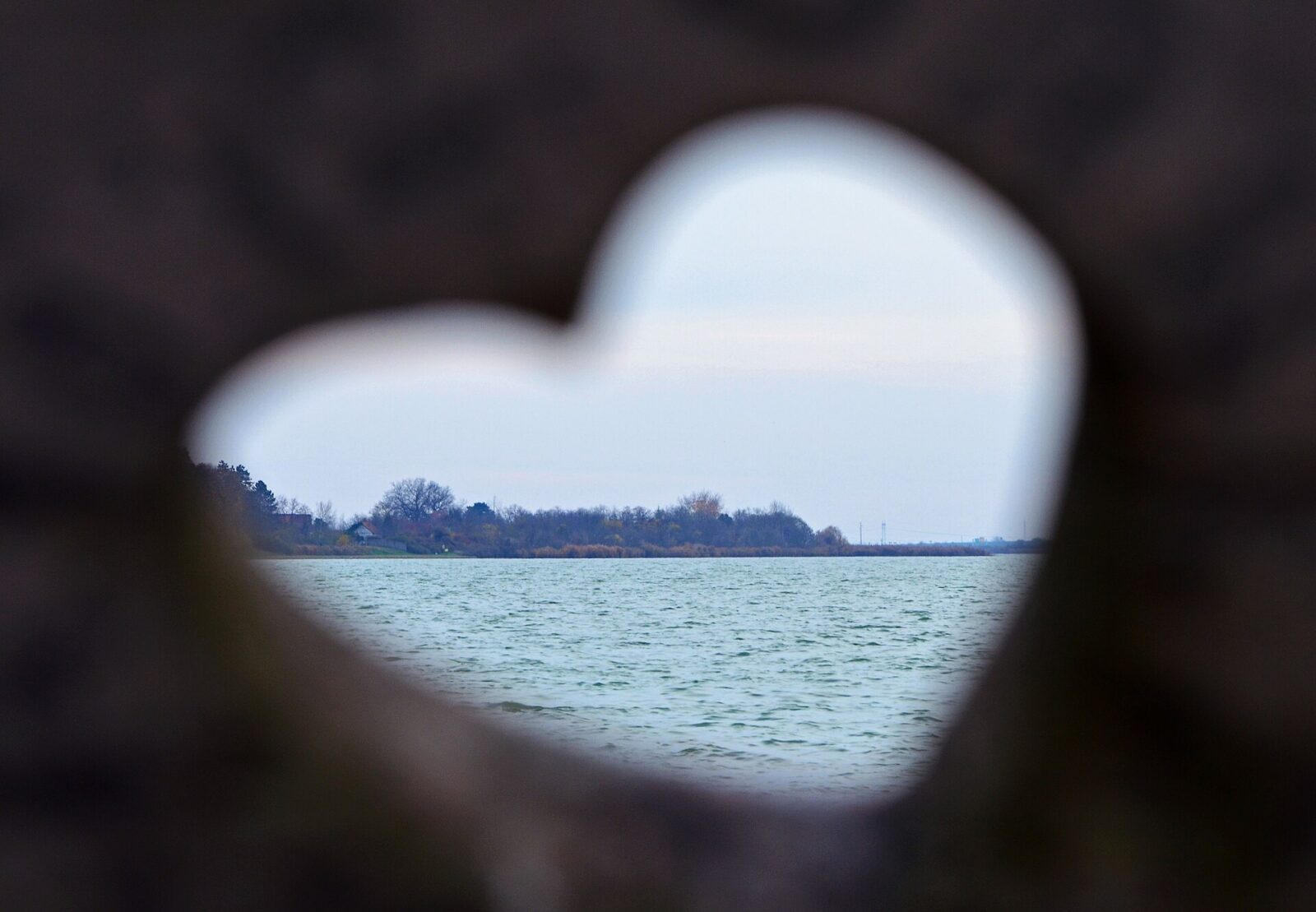
The tourism office describes Palic as Serbia’s largest natural lake, roughly 5 km across at its widest point, with a maximum depth of 3.5 metres and about 17 km of arranged shoreline. Dykes divide it into four sectors; the fourth and easternmost is the “tourist” sector, the stretch bordering the promenade, the hotels and the zoo. The shallow depth is part of why the lake reads more as a wide, calm surface than a dramatic one.
The three sectors away from the tourist stretch are separated from the hotels and the zoo by the same dykes that shape the shoreline. If you want the promenade, the pavilions and the zoo, stay in the fourth sector; the other three are for a longer, quieter walk further along the water.
Art Nouveau along the water
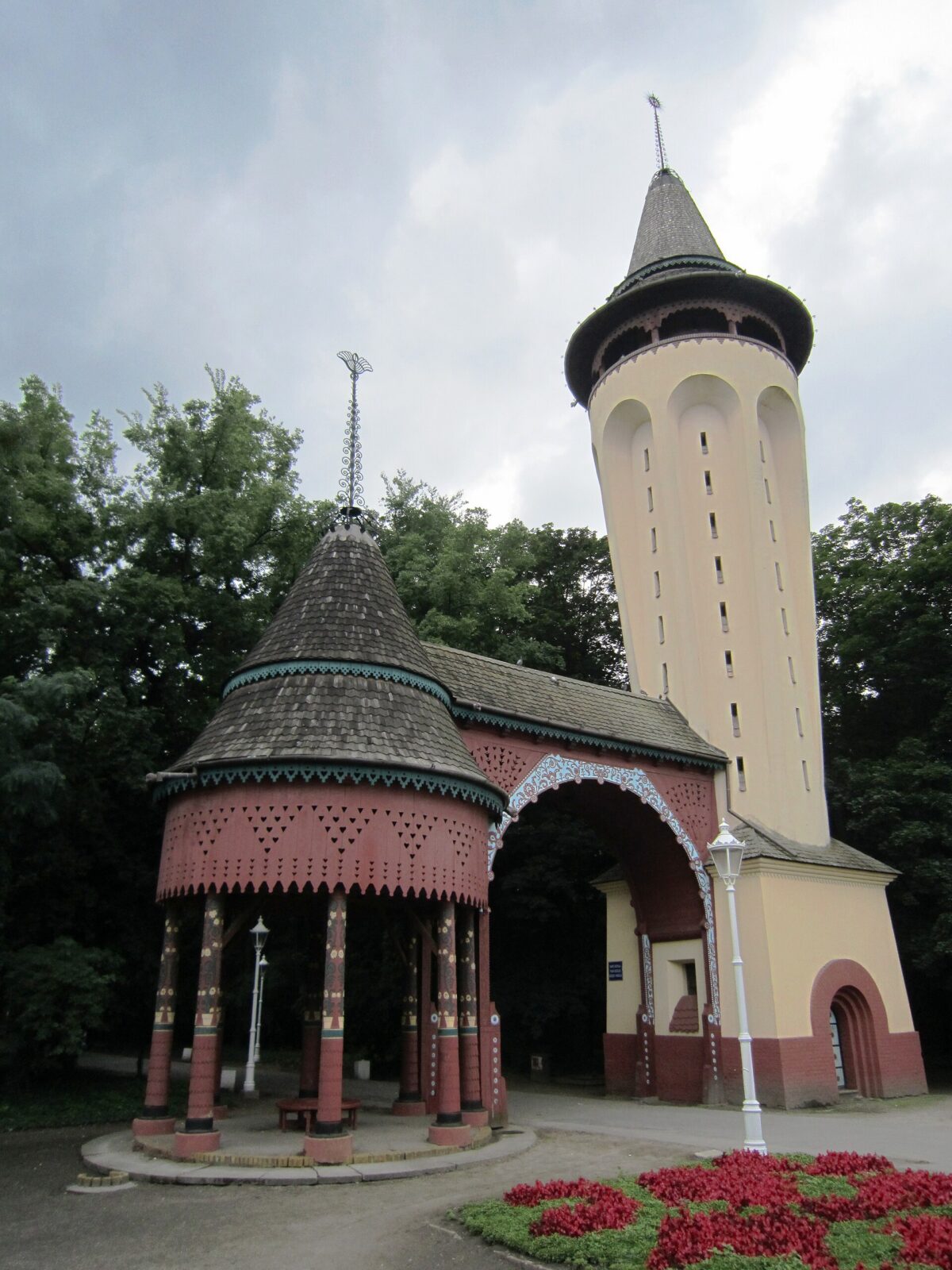
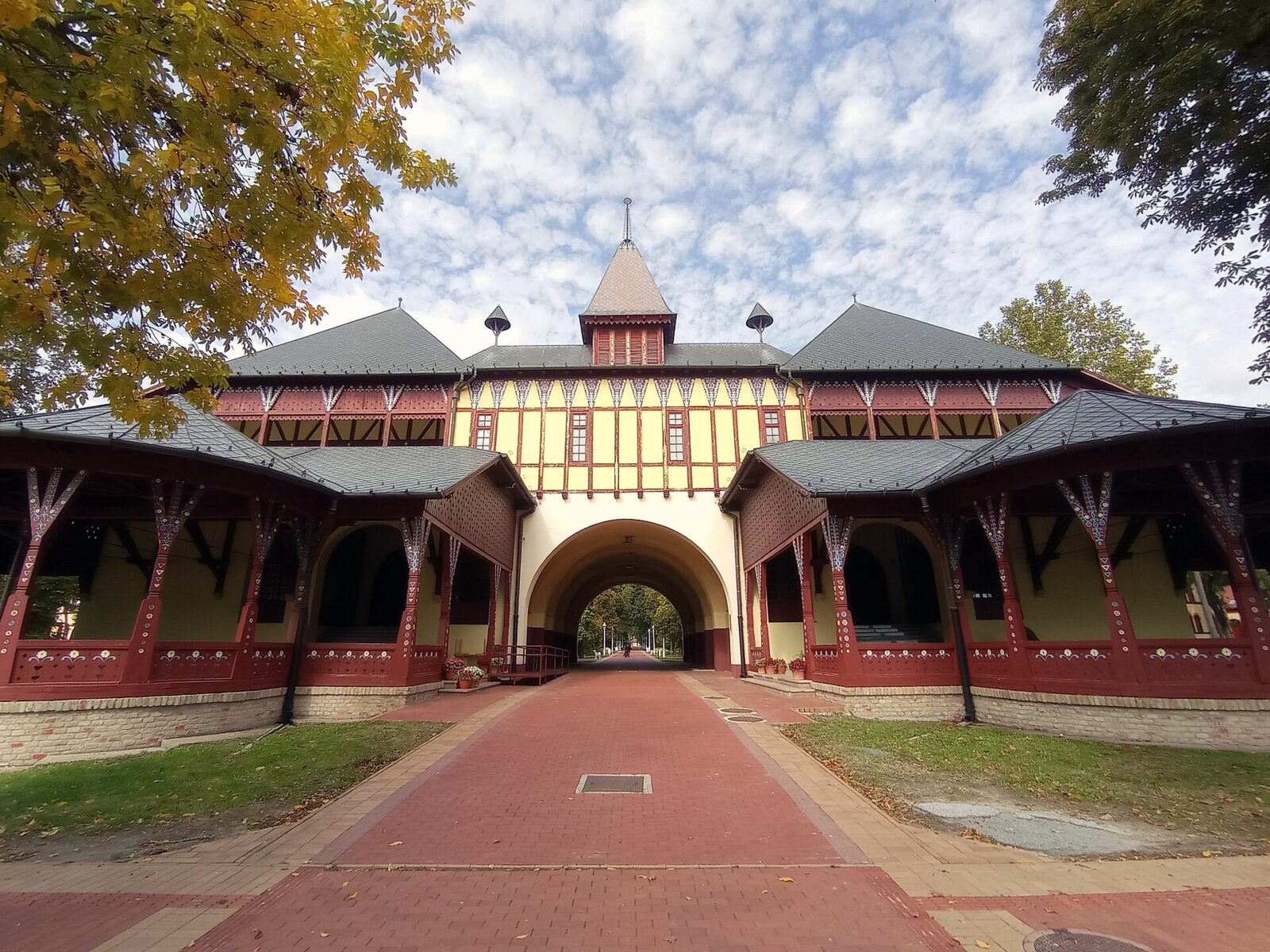
The tourism office lists a cluster of Secession-era landmarks along the lakefront: the Water Tower, a symbol of Palic standing beside the main road; the Grand Terrace, built in 1912 and described by the office as the most important building on Palic; the Music Pavilion, between the Grand Terrace and the shore; the Memorial Fountain, also from 1912; Konen Palace, a villa set among the pines of the Great Park; the Women’s Lido; and the Blue Palic Vases, two large Zsolnay-ceramic vases standing in front of two of the hotels in the Great Park. Together with the Town Hall, the Synagogue and the Raichle Palace back in Subotica, they’re what gives the whole area its reputation as a stronghold of the style.
None of these buildings publishes an opening hour or an entrance fee on the tourism office’s own listing. They’re landmarks seen from outside, along the promenade, rather than sites with a ticket desk of their own. The Grand Terrace and the Music Pavilion sit close together, so the two are naturally seen as a pair rather than as separate stops on a longer walk.
Why the lake is protected
Palic and its surrounding land carry formal protection as the Nature Park “Palic”, covering 712.36 hectares entirely within Subotica municipality, of which the lake’s open water accounts for close to four-fifths of the area. The designation sits at category III, for areas of local significance, a lighter tier than some of Serbia’s larger parks, and the whole area falls inside a recognised Important Bird Area covering the wider “Subotica Lakes and Sand Dunes” landscape.
An Important Bird Area designation flags a site as significant for wild bird populations, whether through breeding numbers, migration stopovers or both; it’s a conservation classification rather than a visitor rule, and it doesn’t come with an entry fee or a checkpoint of its own.
The protection status doesn’t come with a published list of visitor restrictions, so it functions here as context for the lake’s status, rather than as a rule you need to follow on a day visit.
Meeting the animals, since 1950
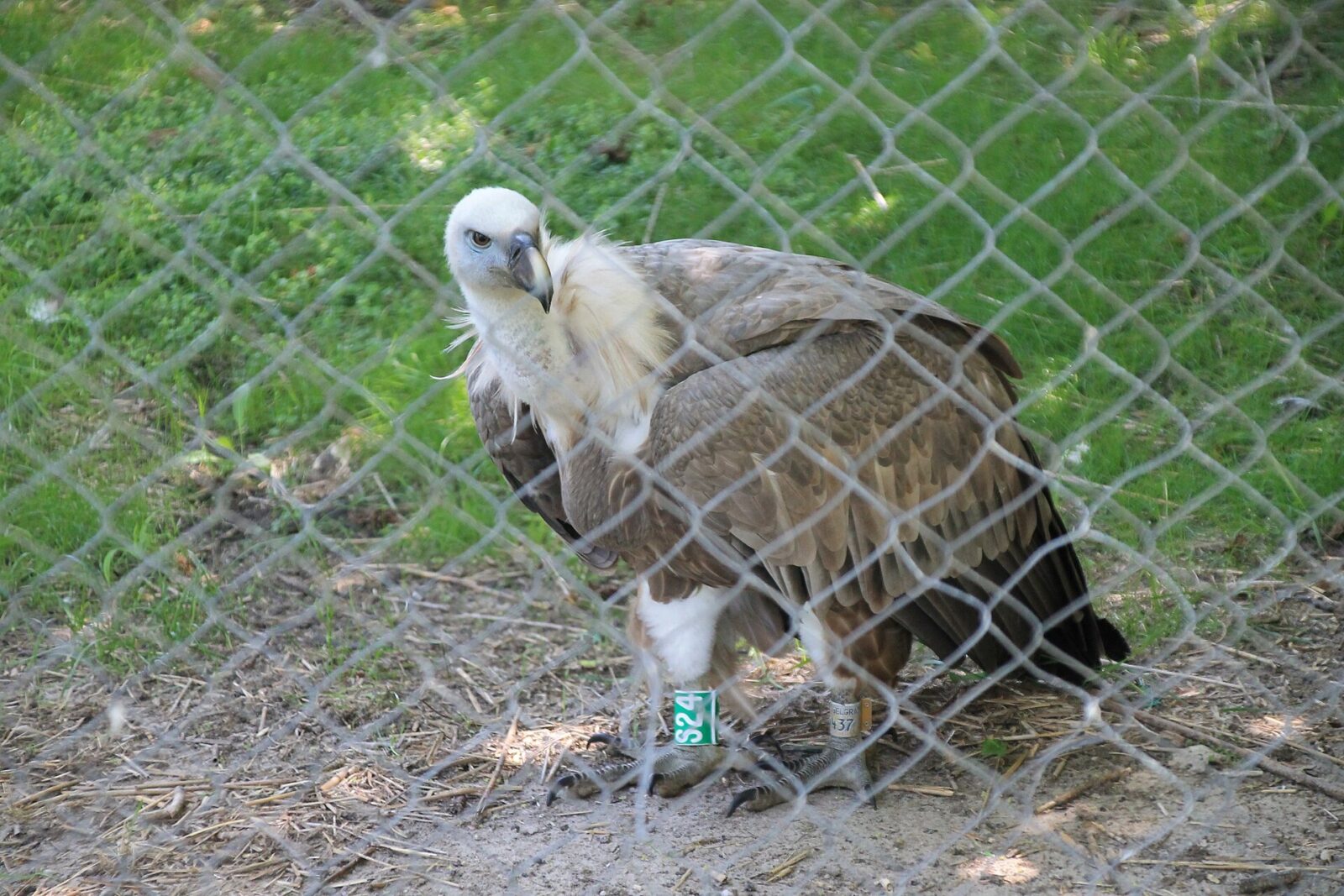
Zoo Palic opened beside the lake in 1950, and most of its animals live in open, fenced sections of the park rather than in cages, a layout that was already part of the original design rather than a recent renovation. A separate profile from the province’s nature-protection institute describes the grounds as an arboretum of about 10 hectares, holding more than 50 animal species, and notes that an animal shelter built to internationally recognised zoo standards has operated on the site since 2005. Running a standards-compliant animal shelter alongside the visitor grounds sets it apart from a straightforward roadside attraction.
That combination, a mid-century zoo built into an existing park landscape, is part of why Zoo Palic reads less like a conventional city zoo and more like a walk through planted grounds that happen to hold animals.
Can you swim in the lake?
No current source settles this. None of the tourism office’s own pages on Palic states a swimming season, opening or closing dates for the lake’s bathing areas, or a current water-quality rating, and their silence isn’t proof either way. A Subotica public-health institute page does report bacteriological contamination at the lake’s bathing sites and warns against swimming, written as if describing “this year.” But the page carries no date by any method we could check, and details embedded in it, including its image file names, point to a report from around 2009 or 2010 rather than a current season. Treat that warning as historical, not current, and treat the swimming question itself as unanswered rather than assume either a safe season or a current health risk. If swimming matters to your visit, ask locally or check for a more recent, dated notice before going in.
Common questions
Is Palic worth a half-day or a full day?
A walk along the promenade and the pavilions takes an hour or two on its own. Add the zoo, which is large enough to fill a couple more hours, and Palic works comfortably as a half-day trip out from Subotica. Stretch it to a full day by walking the quieter sectors beyond the tourist stretch as well.
Is there an entrance fee for the lake or the promenade itself?
No source publishes one. The only priced admission at Palic is the zoo gate; the lakefront, the promenade and the Art Nouveau buildings along it carry no published ticket, and no source states that walking them is free either, it’s simply that no charge appears anywhere.
Can I combine Palic with Subotica in one day?
Yes: the two sit about 6 to 7.5 km apart, connected by several bus lines, and neither needs a full day on its own. A common pattern is the Town Hall, the Synagogue and the Raichle Palace in the morning, then Palic in the afternoon, or the other way round if you’d rather start with the lake while it’s quieter.
Does the zoo close for winter?
No: the operator states it’s open 365 days a year, with no weekly closing day. The exact hours on a given day still vary, so check the current times on its site before travelling out of season, particularly in the winter months when a shorter day is more likely than in summer.
Is the water at Palic safe to swim in right now?
This isn’t established either way by any current, dated source. The only water-quality report found dates from around 2009 or 2010 despite reading as current, so it shouldn’t be relied on for today’s conditions. Ask locally before swimming.
Nearby
Subotica, with its Town Hall, Synagogue and Raichle Palace, sits a short bus ride south and pairs naturally with a Palic afternoon. If you’re weighing when to build either stop into a trip, when to visit Serbia covers the seasons that shape a Serbian itinerary more generally.