
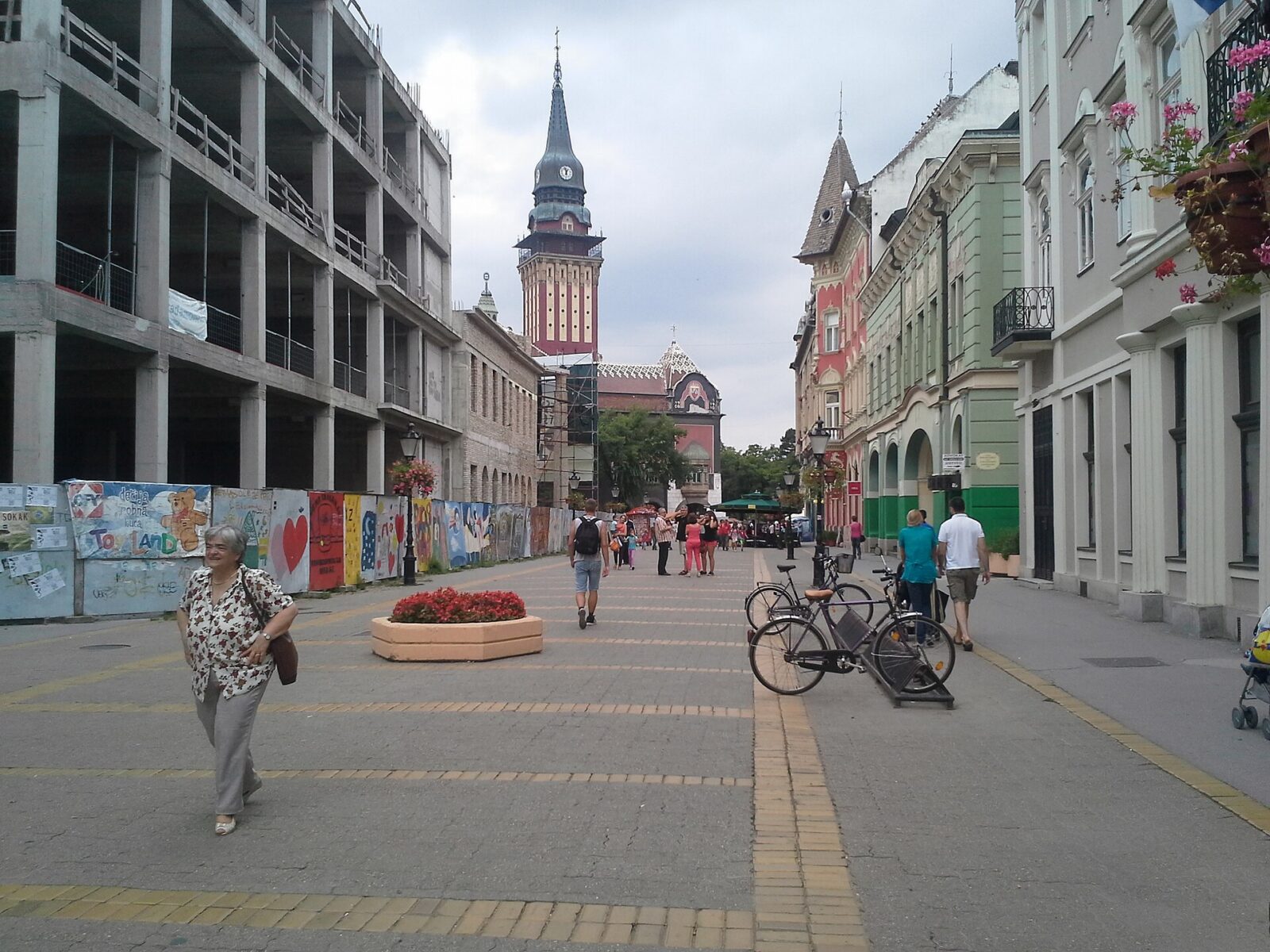
Subotica sits close enough to the Hungarian border that its centre reads like a different country’s capital that wandered south. The Town Hall, the Synagogue and the merchant houses along the main streets went up within a few years of each other, in the restless decorative style that Budapest and Vienna were experimenting with at the time. No other Serbian city commits to Art Nouveau this completely, or this consistently.
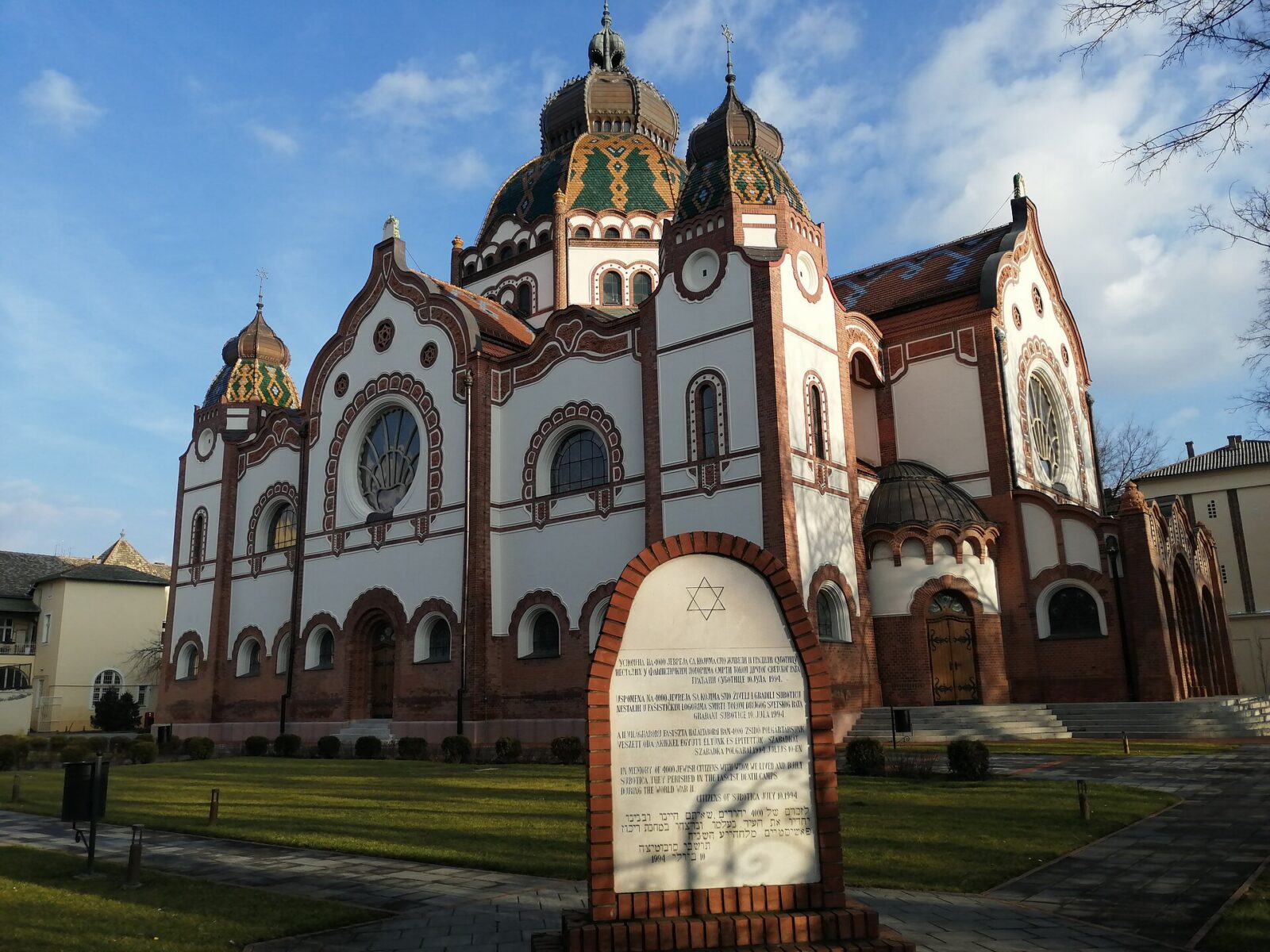
Three buildings carry the style furthest, and seeing all three properly takes about half a day. The Town Hall’s tower gives the view over the rooftops. The Synagogue, one of the largest built in Europe at the time, gives the interior. The Raichle Palace, once a private house, now holds the city’s contemporary art gallery. Each is a separate ticket, sold by a separate operator, and none of the three offers a pass that covers another. A morning covers all three comfortably if the Town Hall’s tour departure lines up with your schedule; without it, expect closer to two hours.
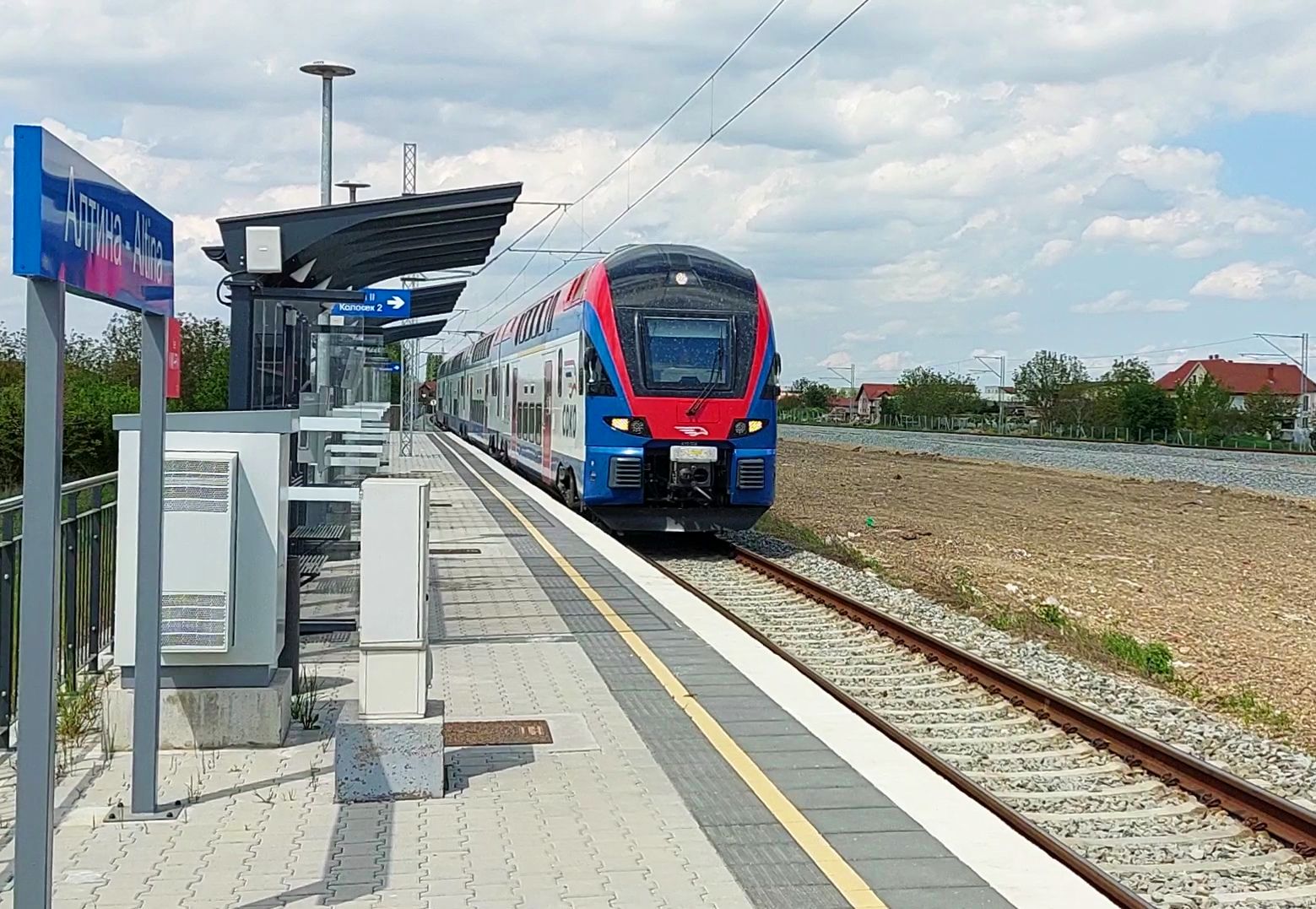
Getting here from Belgrade takes just over an hour on the fast train, which makes Subotica an easy day out on its own, or a stop on the way to Palic, the lake resort a few kilometres to the north.
Subotica was a wealthy trading town on the edge of the Austro-Hungarian empire when these buildings went up, and its merchants wanted the fashionable style of the day rather than a provincial copy of Vienna. Secession, as Art Nouveau is usually called in this part of Europe, brought curling ironwork, coloured ceramic tile and facades that broke away from the flat cornices of the older streets around them. The effect still stands out against the plainer buildings nearby.
The short version. The Synagogue costs 250 RSD (150 RSD reduced, free under 10), open Tuesday to Friday 10:00-18:00 and Saturday-Sunday 10:00-14:00. The Contemporary Gallery in the Raichle Palace costs 200 RSD (100 RSD reduced, 400 RSD family), open Tuesday to Saturday 10:00-18:00. For the Town Hall’s council hall and tower, the only information found describes a guided visit at 12:00, Tuesday to Saturday, for 200 RSD, but the page carrying it isn’t dated, so treat that as a lead to confirm by phone rather than a fixed arrangement. The fast train from Belgrade takes 79 minutes.
On this page
What you pay to go inside
Two of the three landmark buildings publish a clear, dated price list. The table below covers both.
| Site | Standard | Reduced | Other rates |
|---|---|---|---|
| Synagogue | 250 RSD | 150 RSD (groups, pupils, students, pensioners) | Free under 10 |
| Contemporary Gallery, Raichle Palace | 200 RSD | 100 RSD (pupils, students, pensioners, groups of 10+) | 400 RSD family ticket, children up to 18 |
Neither operator publishes a ticket that also covers the other building, or the Town Hall. Budget for three separate purchases if you want to see the inside of all three, and bring cash: none of the pages these prices come from mentions card payment specifically.
The reduced rate covers largely the same groups at both buildings: pupils, students, pensioners, and parties of ten or more. The family ticket, at 400 RSD for parents with children up to eighteen, is a Raichle Palace option only; the Synagogue has no equivalent, just its flat 250 RSD rate and free entry for children under ten.
When they’re open
The Synagogue’s foundation states its own hours plainly: Tuesday to Friday from 10:00 to 18:00, and Saturday and Sunday from 10:00 to 14:00. Monday isn’t mentioned either way, so we can’t tell you whether it’s a closing day or simply an oversight on the page; if your visit falls on a Monday, call ahead rather than assume.
The Contemporary Gallery keeps shorter days at the start and end of the week: Tuesday to Saturday, 10:00 to 18:00. That leaves Sunday and Monday unstated on the gallery’s own page too, in the same way. A Tuesday-to-Saturday visit avoids the gap on both buildings at once.
Outside these windows, both buildings are exteriors only. Neither page mentions a late opening, an evening slot, or any exception to the stated hours, so plan around the daytime schedule rather than hope for one.
Seeing the Town Hall’s tower and council hall
Neither the Town Hall’s tower nor its great council hall has a self-service ticket desk or a posted timetable at the door, so what follows comes from a single source, read as it stands rather than treated as settled.
Confirm this one by phone. The City Museum, which names a coordinator for the Town Hall’s visits, states on its own visitor page that both the council hall visit and the tower viewpoint depart at 12:00, Tuesday to Saturday, from the Town Hall’s ceremonial entrance by the Blue Fountain, at 200 RSD per person, or 150 RSD per person for groups of more than ten. We read this on the operator’s own site, but the page carries no date we could establish by any of the usual checks, so we can’t tell you when it was last true, or confirm that a guided visit is in fact the only way to see the interior. Call the museum’s guide, Sonja Korponaic, on +381 (0)24 555 128, and confirm the process, the departure time and the price before you plan your day around them.
If a guided visit is still how it works when you call, build the rest of a Town-Hall morning around whatever single departure the museum confirms, since a once-a-day slot leaves little room to fit around anything else.
Getting to Subotica
Srbijavoz’s fast SOKO service covers Belgrade to Subotica in 79 minutes, on the same high-speed line that also serves Novi Sad further south. That is a stated, fixed journey time for the service, not an average across slower trains, so it holds for whichever SOKO departure you take.
If you’re coming from Novi Sad rather than Belgrade, the operator’s own page doesn’t give you that leg on its own: it states the Belgrade-Petrovaradin and Belgrade-Subotica times, but not a Novi Sad-to-Subotica figure, so we won’t invent one by subtracting the two. Check the live timetable for that specific journey rather than assume it’s the difference between the other two numbers.
Srbijavoz sells tickets at station counters and, for many of its routes, online, but the operator’s own page for this service stops at the journey time and doesn’t go into how to book it. Treat the ticket-buying steps as something to check at the same time you check the timetable.
Why the buildings look the way they do
The connecting thread across the three buildings is a pair of Budapest architects, Marcel Komor and Dezso Jakab, who worked in Subotica repeatedly in the first decade of the twentieth century and left the city its distinctive skyline of glazed tile roofs and curling stone ornament.
Similar buildings from the same years survive across other towns of the old Austro-Hungarian borderlands, built for merchants and municipalities that shared the same architects and the same taste for showing prosperity through architecture rather than through a plainer, older style of town hall or synagogue. Subotica’s cluster of three, built within a decade of each other by two overlapping teams of architects, is unusually complete for a town this size.
The Town Hall
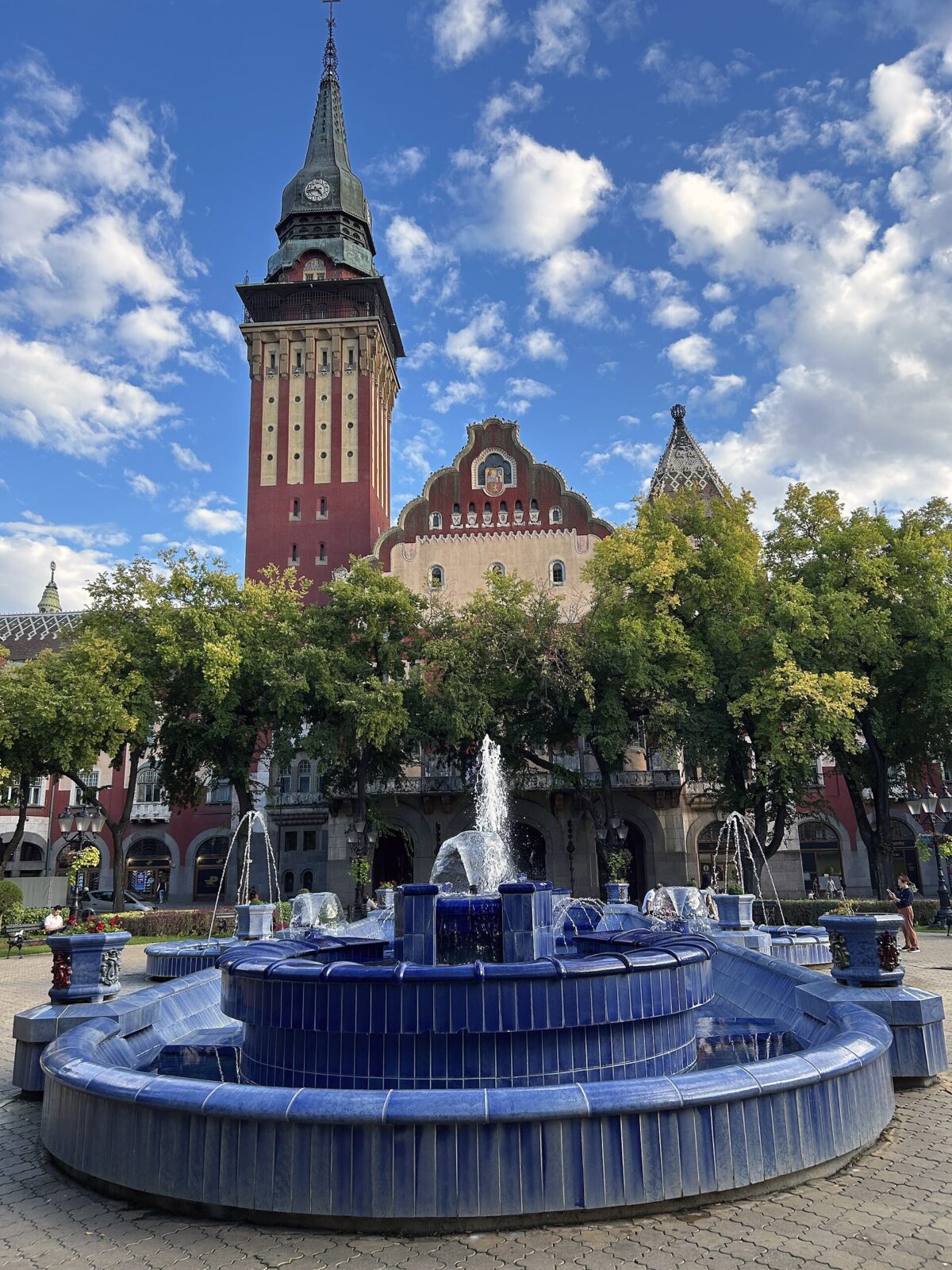
Komor and Jakab built the Town Hall between 1908 and 1912. Its tower reaches 76 metres, and a public viewing gallery partway up, at 45 metres, gives a panoramic look over the city, which is what the guided visits above are for. It dominates the main square by scale as much as by decoration, and it’s the building most people photograph first.
The Synagogue
The same two architects, working as associates of the Hungarian Secession pioneer Odon Lechner, designed the Synagogue, completed in 1902. Lechner is the figure usually credited with giving the Hungarian variant of Art Nouveau its own vocabulary, distinct from the French or Belgian versions of the style, and Komor and Jakab carried that vocabulary south with them into Subotica. The Synagogue was declared a cultural monument of exceptional significance in 1974, the country’s top tier of heritage protection, the same category reserved for the most important sites in the country.
The Raichle Palace
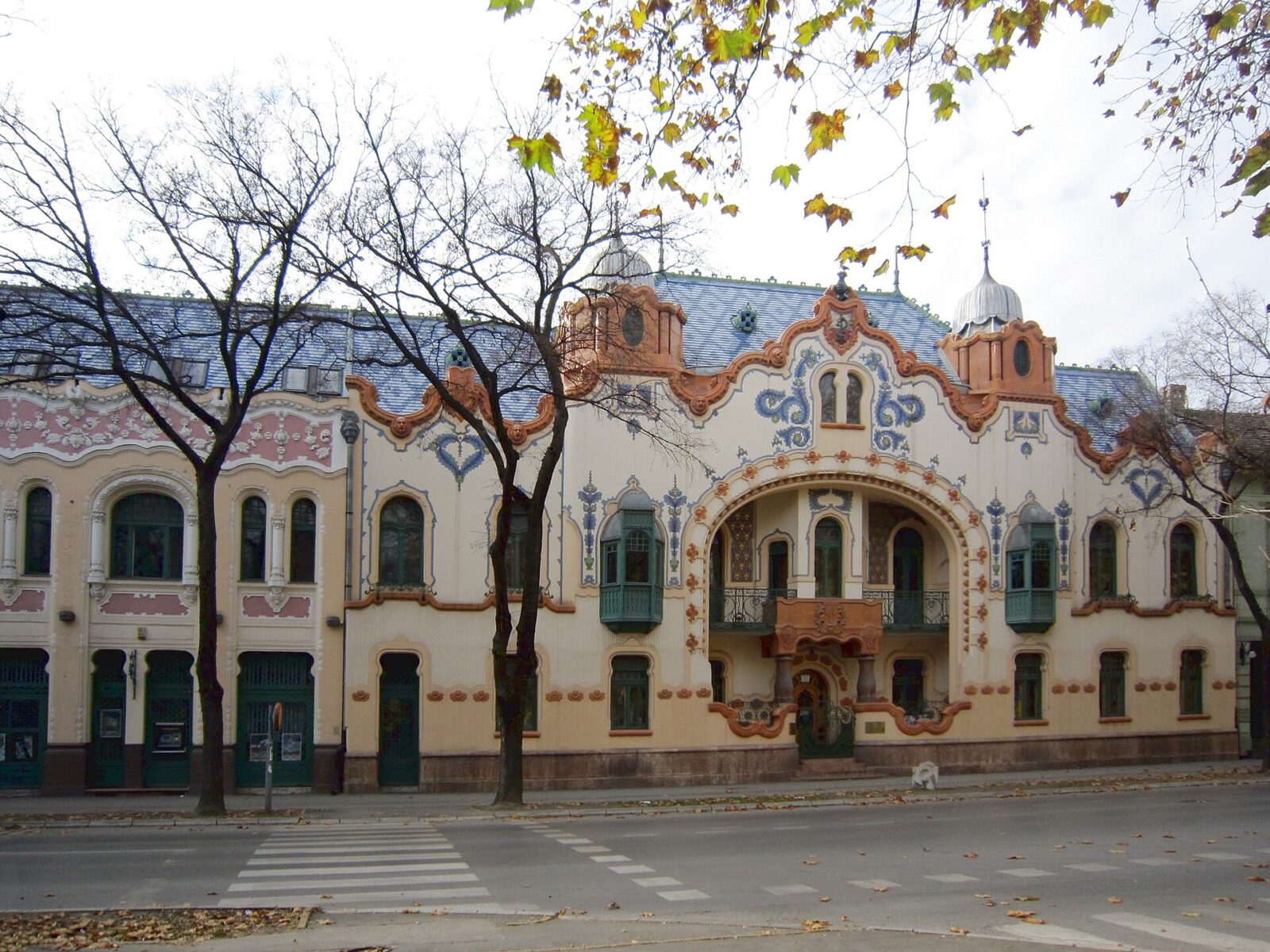
A different architect, Ferenc Rajhl, who used the Hungarian-German form Raichle, built this one as his own family house. The facade combines Zsolnay ceramics shipped from Pecs with Murano glass mosaics from Italy, a mix of materials that reads as showing off, because it was meant to. Ceramic from Hungary and glass from Italy, on a private house in a border town, is very much the story of Subotica itself. The building now houses the Contemporary Gallery of Subotica.
Finding your way around
All three buildings sit close enough together to walk between on foot. The Town Hall anchors the main square; its ceremonial entrance, by the Blue Fountain, is named in the museum’s account of the guided visit above as the meeting point. The Synagogue stands on Trg Sinagoge, the square that takes its name from it, where the City Museum also keeps an office. The Raichle Palace and its gallery are a short walk further out, at Park Ferenca Rajhla 5.
None of this needs a car or a taxi once you’re in the centre. Save those for the trip out to Palic, which sits far enough from downtown Subotica to want a bus or a ride rather than a walk.
Splitting the two makes for a natural full day: the three buildings in the morning, on foot, then a bus out to the lake for the afternoon. Palic’s zoo and shoreline keep an entirely different set of hours and operators, covered on that page rather than this one.
Restaurants and cafes line the streets around the main square, though none of them is documented on this page: the operators behind the Town Hall, the Synagogue and the gallery publish their own tickets and hours, not a directory of where to eat afterwards.
Common questions
Can I visit the Synagogue without booking ahead?
The foundation’s page gives opening hours and a ticket price, with nothing said about needing to book in advance. That’s different from the Town Hall, where the interior is only shown on a guided visit with a set departure time.
Is there a combined ticket for the Town Hall, the Synagogue and the Raichle Palace?
No source publishes one. Each is run by a different operator, with its own price list and its own hours, so plan on paying for each separately rather than looking for a bundled entry fee.
Is Subotica doable as a day trip from Belgrade?
The train alone takes 79 minutes each way, and the three landmark buildings close by 18:00 at the latest, so a day trip is realistic if you catch an early departure. Check the live timetable the day before, since no static schedule is published for the line, and check the return departure at the same time so you’re not left waiting at the station in the evening.
What if I’m travelling from Novi Sad instead of Belgrade?
The fast train serves that route too, but the operator’s page doesn’t state the Novi Sad-to-Subotica journey time on its own, only the segments from Belgrade. Adding the two published Belgrade legs together and subtracting would be arithmetic on numbers the operator never combines itself, so it isn’t repeated here. Check the live search for that specific leg rather than estimate it.
Can I still see the Town Hall if I skip the guided tour?
The exterior and the main square around it are open ground, with no ticket desk and nothing published about an admission charge to look at the building from outside. The council hall and the tower’s viewing gallery are the parts the only information found describes as a guided visit, so check with the museum if you want to see inside.
What order should I see the three buildings in?
Start at the Town Hall if the interior matters to you, since the only visiting arrangement found is a single daily departure you’ll need to confirm by phone; everything else is more flexible. See the Synagogue and the Raichle Palace’s gallery either side of it, in whichever order suits your route around the centre.
Nearby
Palic, the lake and its Art Nouveau shoreline, sits a short ride north of the centre and pairs naturally with a Subotica stop. Belgrade to Novi Sad covers the same fast rail line for the shorter leg south, and Novi Sad in one day is worth adding if you’re making a longer loop through Vojvodina.