
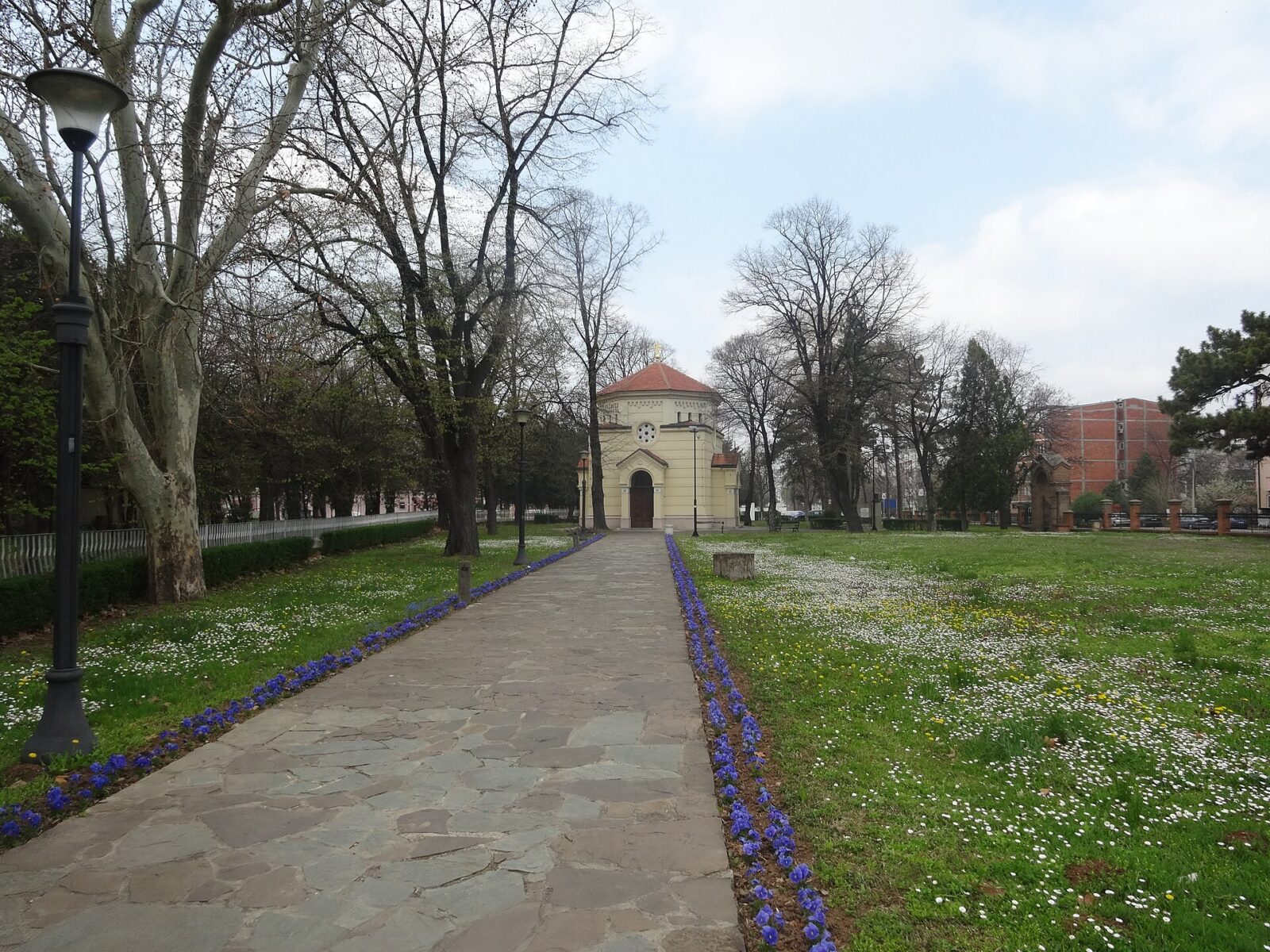
Cele Kula, the Skull Tower, stands on the eastern edge of Nis as a monument to a specific defeat, not a general one, and it asks something different of you than most stops on this site. The tower is built from the skulls of Serbian fighters killed at the Battle of Cegar in 1809, and it has stood, in one form or another, ever since. This is a grave marker and a war memorial before it is anything else, and it is worth approaching it that way rather than as a curiosity to tick off a list. The visit itself tends to be brief, and that suits what the site is: somewhere to be seen and understood rather than lingered over.
None of that changes the practical side of a visit. The tower now sits inside a small protected building run by the National Museum of Nis, with its own ticket, its own hours and its own place in a combined pass that also covers the rest of the museum’s sites around the city. What follows sets out what it costs, when you can go, and what the tower’s history actually is, told plainly rather than dressed up for effect. The two sides, practical and historical, sit side by side on this page for a reason: neither one makes sense to a visitor without the other.
Nis itself sits a good way south of Belgrade, so most visitors reach Cele Kula as part of a stop in the city rather than a special trip for the tower alone. That context is worth keeping in mind as you plan the rest of the day around it, since the tower itself takes only a short amount of time to see properly. It fits easily alongside the rest of what Nis has to offer, from its own fortress to the Roman remains at Medijana outside town, without needing a day of its own.
The short version. Entry to Cele Kula costs 300 RSD, or 250 RSD reduced for pupils, students, pensioners and groups over 10. A combined ticket covering all four paid sites of the National Museum of Nis, Cele Kula included, costs 1,200 RSD, or 1,000 RSD reduced. The tower is open 09:00 to 19:00 Tuesday to Friday, 09:00 to 17:00 on weekends, and closed on Monday; the last entry is 15 minutes before closing. The published address is Ul. Generala Milojka Lesjanina 14, Nis. The building shelters the remains of a memorial built after the Battle of Cegar in 1809.
On this page
What you pay
The National Museum of Nis sets one price list across all of its branches, so the figures below apply to Cele Kula whether you buy on the day or as part of a combined pass covering more of the city.
| Ticket | Price |
|---|---|
| Cele Kula, individual adult | 300 RSD |
| Cele Kula, reduced | 250 RSD |
| All museum sites, combined adult | 1,200 RSD |
| All museum sites, combined reduced | 1,000 RSD |
The reduced rate applies to students showing an ISIC or index card and to pensioners aged 65 or over showing an ID card or pension document. Buying the combined ticket makes sense if you plan to see more than Cele Kula and one other paid site in Nis on the same trip, since it covers every ticketed venue the museum runs across the city, not just this one. If Cele Kula is the only museum stop on your itinerary, the individual ticket is the cheaper choice, and there is no reason to pay for the combined pass just to see it alone.
When you can visit
Cele Kula keeps two different weekday and weekend schedules rather than one fixed range, so it is worth checking which one applies before you set off, particularly if you are combining it with sites elsewhere in the city that may keep different hours of their own.
When it opens each day
| Days | Hours |
|---|---|
| Tuesday – Friday | 09:00 – 19:00 |
| Saturday – Sunday | 09:00 – 17:00 |
Last entry to Cele Kula is 15 minutes before closing, the same rule the museum applies to its Archaeological Hall and to the Sremac and Miljkovic literary exhibition. Arrive with enough time to walk through before the doors close rather than cutting it to the last few minutes, particularly on the shorter weekend schedule when the closing time comes two hours earlier than on a weekday.
Which day it closes
Cele Kula is closed on Monday, along with every other branch of the National Museum of Nis, from the Archaeological Hall to the Synagogue Gallery to the Medijana site outside the city. If Monday is your only free day in Nis, plan around the other sites the city offers rather than around this one, since none of the museum’s branches will be an option that day regardless of which one you had in mind.
Getting to the tower
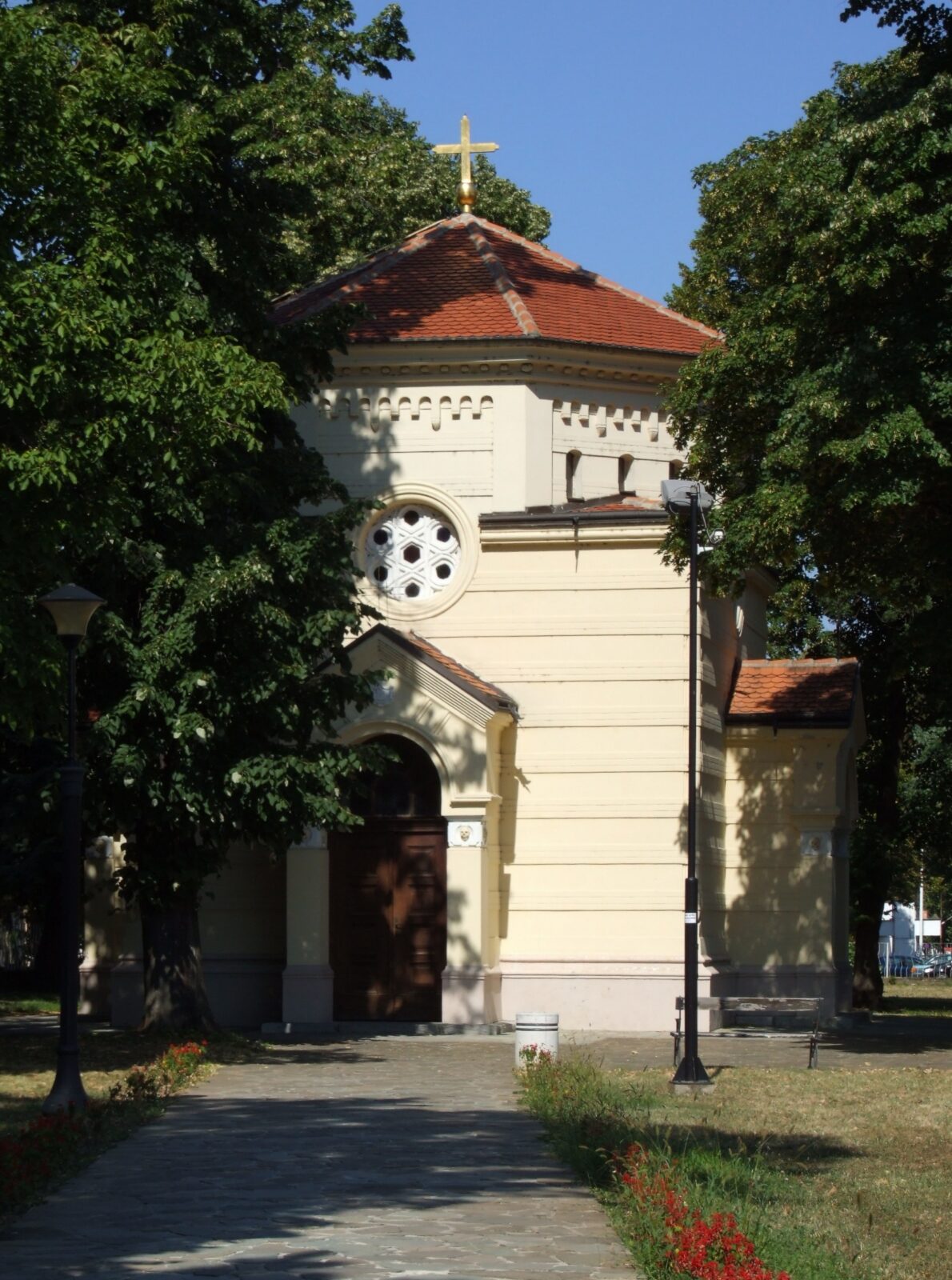
The museum’s published address for Cele Kula is Ul. Generala Milojka Lesjanina 14, on the eastern side of Nis. The museum’s own historical account places the tower on what was once the road out of the city towards Constantinople, which is why it stands apart from the fortress and the old town centre rather than inside either of them. That positioning was deliberate at the time it was built: a monument meant to be seen by anyone travelling that road, not tucked away inside the city walls. The road itself has since grown into an ordinary part of the city, so the surroundings today look very different from the open approach the tower once stood beside.
Nothing in the museum’s visitor information sets out bus routes or a specific walking time from the centre of Nis, so if you are relying on public transport rather than a taxi, check current routes locally once you are in the city, or plan the stop as part of a wider day covered by a Nis city guide that handles the town’s transport as a whole. A taxi from the centre is a straightforward option if you would rather not work out local buses for a single stop.
Why the tower was built
What happened at Cegar in 1809
In May 1809, during the First Serbian Uprising, Serbian forces under Stevan Sindjelic held a fortified position on Cegar hill, outside Nis, against a much larger Ottoman force. When the position was about to be overrun, Sindjelic is recorded as having detonated the gunpowder store rather than allow his men to be captured, killing himself, his remaining soldiers and a large number of the attacking Ottoman troops in the explosion. The uprising itself would ultimately fail elsewhere in Serbia, but the defence at Cegar is remembered for the manner of its end rather than for changing the outcome of the war.
What became of the tower afterward
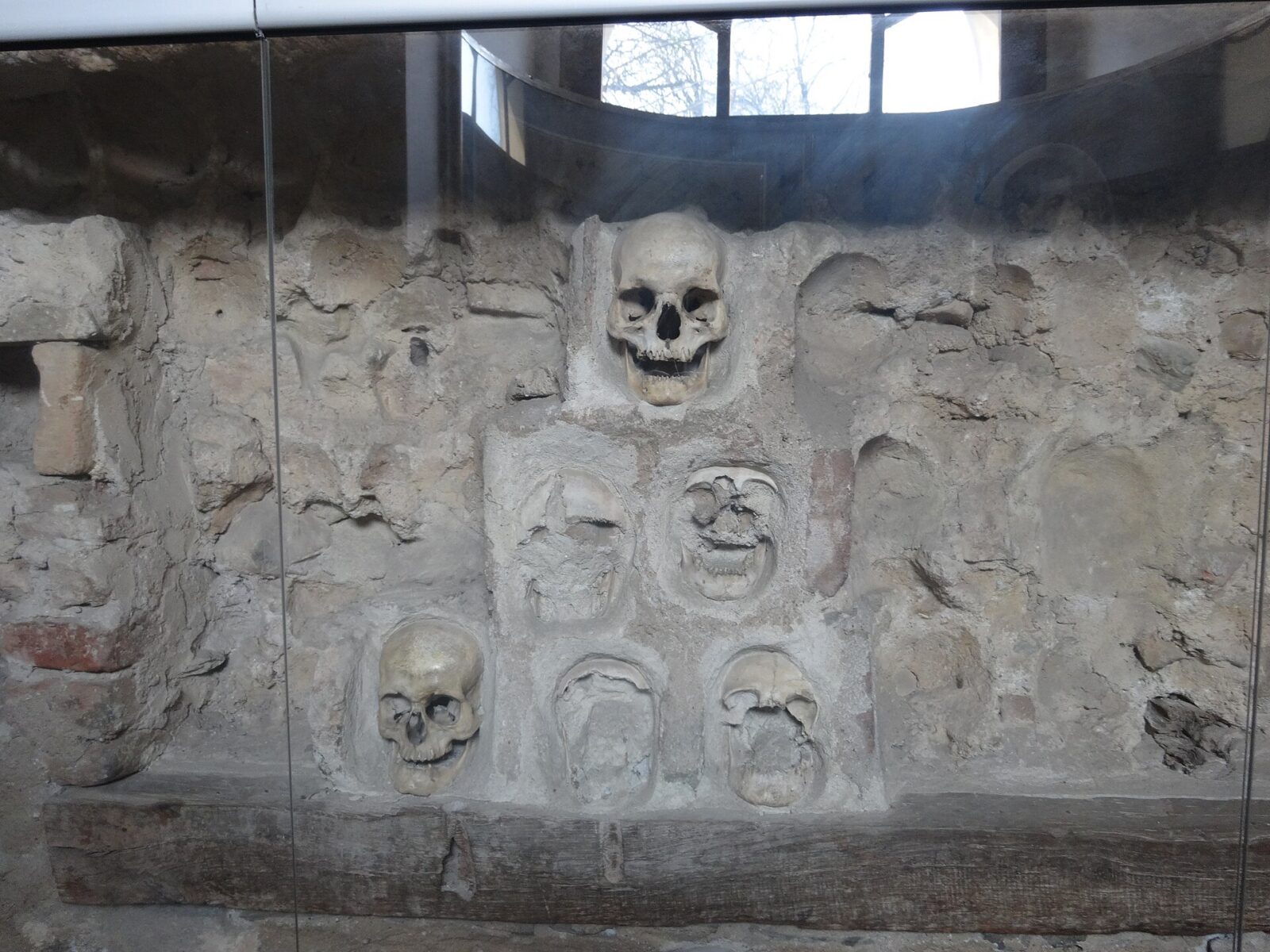
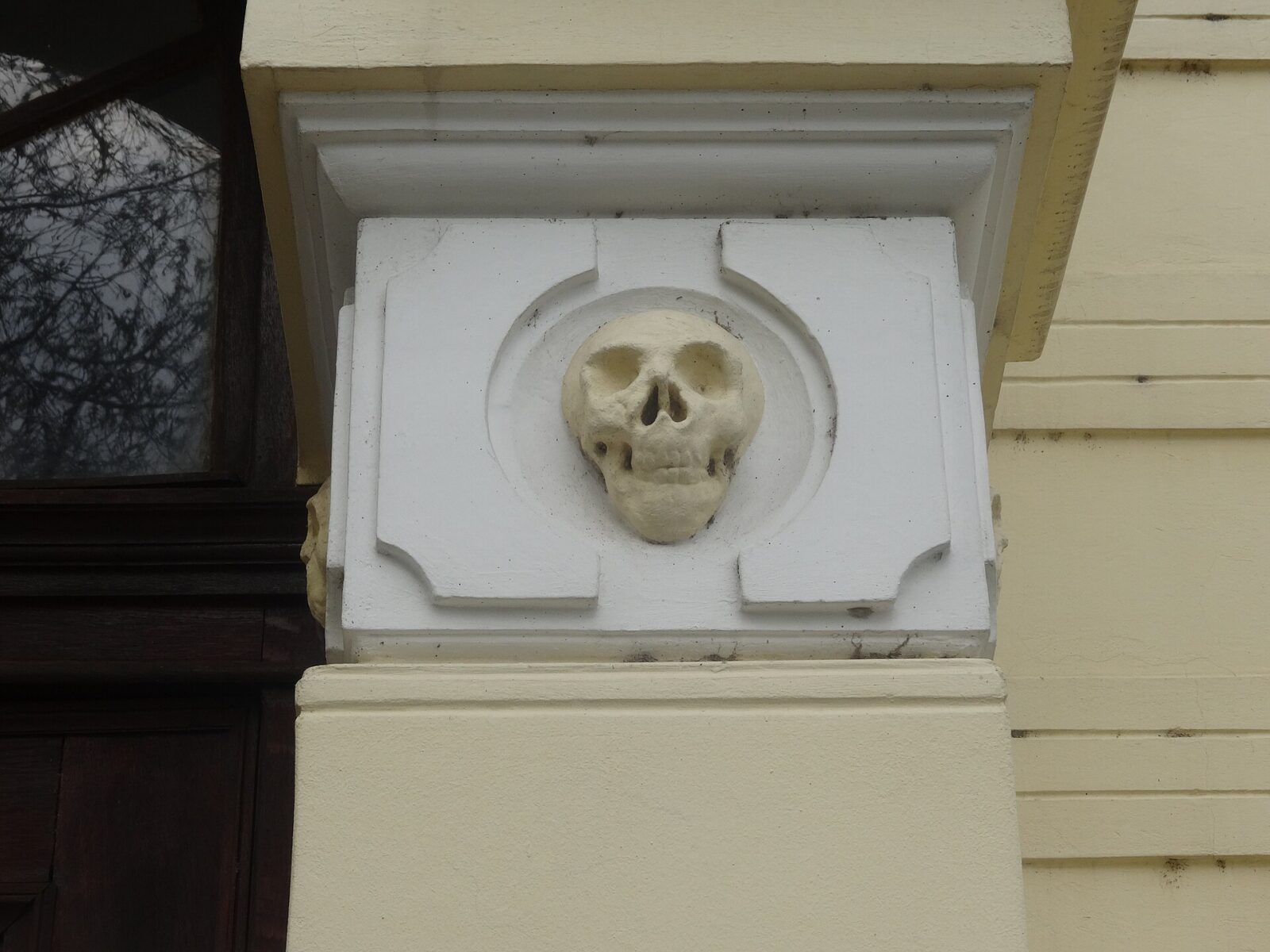
In the aftermath, the Ottoman commander ordered a tower built into the skulls of the Serbian dead, set into its walls as a deterrent to future uprisings, on the road where travellers entering or leaving Nis would see it. The intention was plainly punitive: a public warning built from the remains of the defeated, left standing in the open rather than hidden away. The tower stood in that open, unprotected state for decades, seen by anyone travelling the road it sat beside, including foreign travellers passing through the region who left written accounts of it. Over the following decades, families are known to have removed skulls from the structure for proper burial, reducing what had originally been embedded in the walls, and a chapel was eventually built to enclose and protect what remained.
How it is protected today
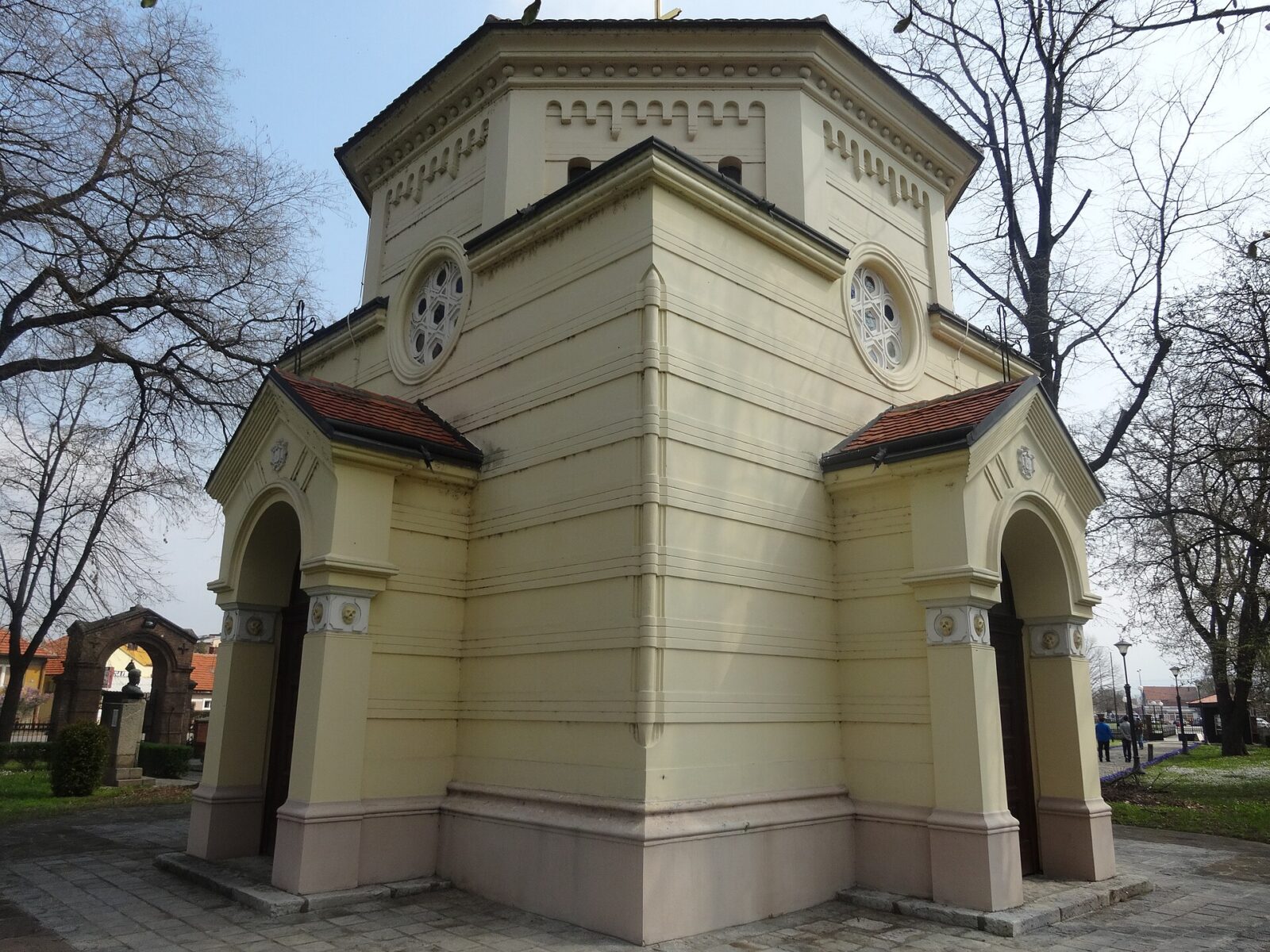
The tower and its chapel are now managed as a branch of the National Museum of Nis, with the same ticketing, hours and closure rules as the museum’s other sites. Bringing what had been a punitive monument under museum administration changes what a visit means: you are stepping into a protected memorial with an institution responsible for its upkeep and its history, not an abandoned roadside relic. That framing is worth carrying with you into the visit itself, rather than treating the stop as one more item on a sightseeing list. The tower’s history belongs to the wider story of the First Serbian Uprising, and the museum’s role today is to preserve and present that history rather than to package it as an attraction.
Seeing it with the rest of Nis
The National Museum of Nis runs several sites across the city under one combined ticket: Medijana, the Roman-era site outside town, at 500 RSD individually; Cele Kula and the “12 Februar” memorial complex, each at 300 RSD; and the Archaeological Hall, also at 300 RSD. The Sremac and Miljkovic literary exhibition and the Synagogue Gallery are both free to enter regardless of which ticket you hold. Buying all four paid sites separately would cost 1,400 RSD, against 1,200 RSD for the combined ticket, so the saving is real if you plan on seeing more than Cele Kula alone.
Every one of these sites keeps the same Monday closure, so a single day plan built around Tuesday through Sunday works across the whole museum network, not just this one tower. If you are spending a full day in Nis, the combined ticket lets you move between sites without buying a fresh ticket at each door, which matters more here than it would somewhere with only one attraction to see. Medijana sits outside the city centre, so it is worth checking how far it is from wherever you are staying before deciding whether to fit it into the same day as Cele Kula and the sites closer to the centre.
Common questions
How much does it cost to visit Cele Kula?
300 RSD for an individual adult, or 250 RSD reduced for pupils, students, pensioners and groups over 10. A combined ticket covering it and three other National Museum of Nis sites costs 1,200 RSD, or 1,000 RSD reduced.
What are the opening hours?
09:00 to 19:00 Tuesday to Friday, and 09:00 to 17:00 on Saturday and Sunday. The tower is closed on Monday, and the last entry is 15 minutes before closing time.
Why was the tower built from skulls?
After the Battle of Cegar in 1809, the Ottoman commander had a tower built into the skulls of the Serbian fighters killed in the battle, intended as a warning to future uprisings. Many skulls were later removed by families for burial, and a chapel was built to shelter what remained. The tower and chapel are now managed as a museum branch rather than left as an open monument.
Is the combined museum ticket worth it?
If you plan to see more than one of the National Museum of Nis’s paid sites, the 1,200 RSD combined ticket costs less than buying Medijana, Cele Kula, the “12 Februar” complex and the Archaeological Hall separately, which together add up to 1,400 RSD.
How do I get to Cele Kula from the city centre?
The museum’s own materials do not publish a specific bus route or walking time. The published address is Ul. Generala Milojka Lesjanina 14, on the eastern side of Nis; check current local transport once in the city, take a taxi, or plan the visit as part of a wider day in Nis using a city guide that covers getting around.
Is Cele Kula closed on public holidays?
The museum’s published schedule sets out weekly hours and a Monday closure, but does not address public holidays separately for this site. If your visit falls on a Serbian public holiday, it is worth confirming locally rather than assuming the usual weekday hours apply.
Nearby
Cele Kula fits into a wider stop in Nis, covered in full by the Nis city guide, with the route down from Belgrade and the airport transfer guide covering how to get there. Further south, Djavolja Varos is within reach of a longer day based in the city, if you have the time to add a second stop to your trip through this part of Serbia.