
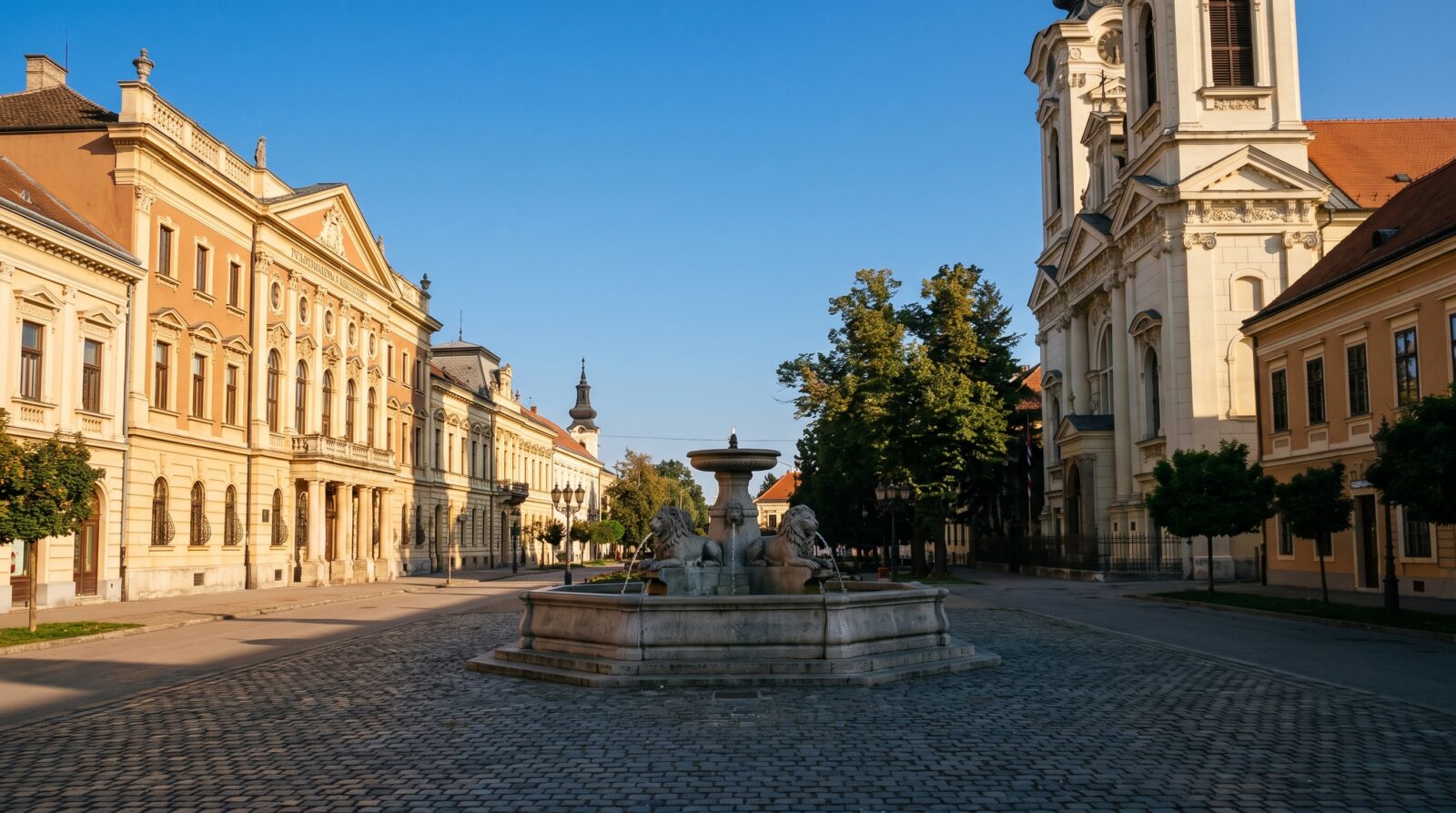
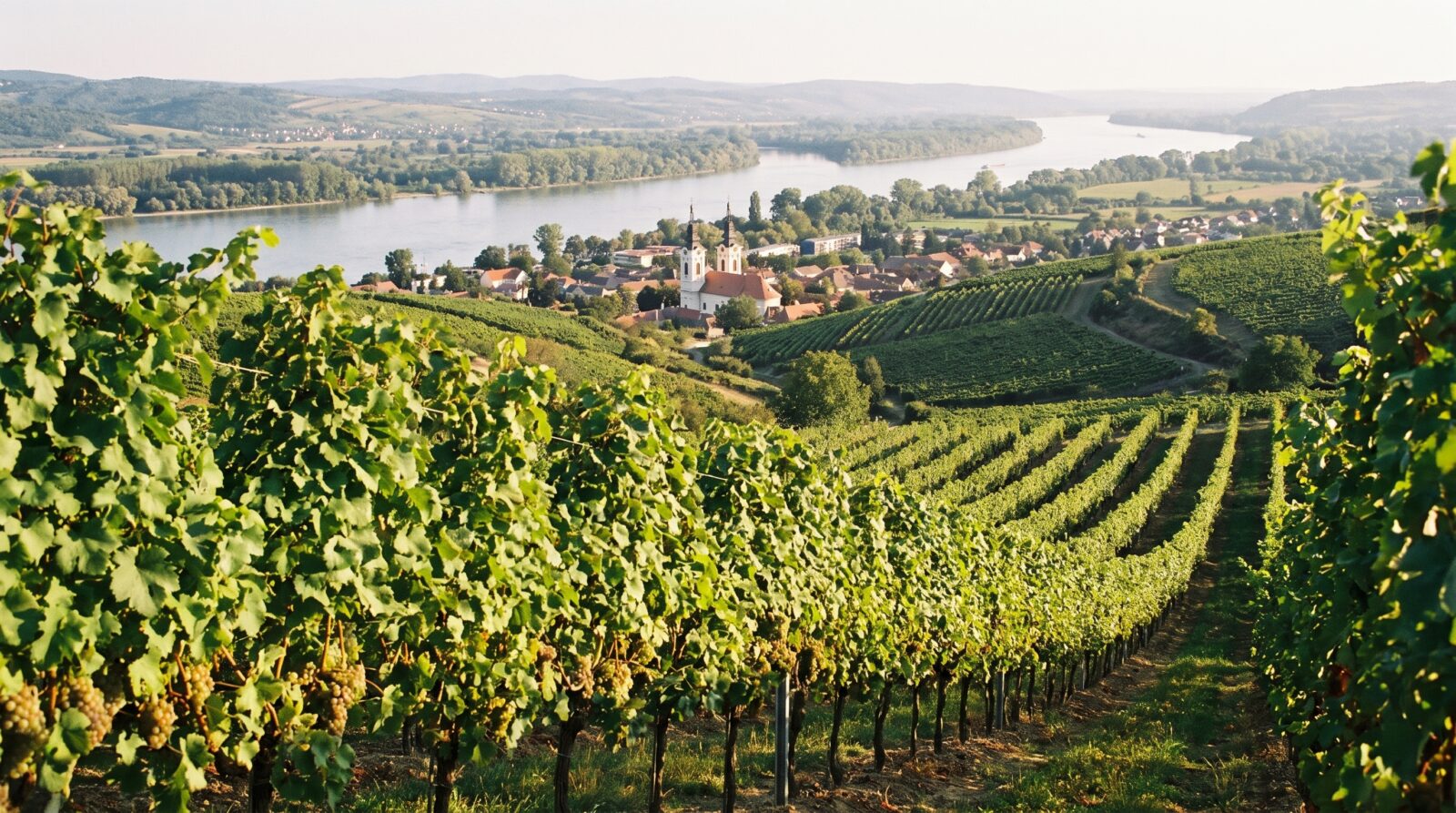
Sremski Karlovci sits close enough to Novi Sad that most people fold it into the same day, then find out it deserves a slower one. What makes that worth doing is a wine, bermet, carrying a protected geographical name since 2007, and a handful of eighteenth and nineteenth-century buildings you mostly see by asking first rather than by walking in.
The town centre holds a working school older than most Serbian universities, a parish cathedral with a reconstructed Baroque interior, and a small chapel built on the exact spot where a European peace treaty was negotiated in 1699. None of the three keeps posted visiting hours, and none of Karlovci’s three museums publishes what a ticket costs.
This page sorts out what you can actually plan around: how to get here without a car, which sites need a phone call first, and where the record runs out, on a treaty date nobody has published and a wine whose registered name currently has no listed producer behind it.
The short version. There is no direct train from Novi Sad; the practical route is suburban bus line 62, around 25 departures each way on a weekday between 04:45 and 22:45, a single fare of 190 RSD with the NSmart card or 250 RSD from the driver. The gimnazija and the Chapel of Peace open only by prior appointment through the town’s tourism organisation, TOSK, with groups capped at 50; the Cathedral of St Nicholas is visited on the same tours, and publishes no hours of its own, though the operator does not say whether it needs an appointment too. None of the three museums, nor these guided visits, publishes an admission price anywhere online. Bermet, the local aromatised wine, has held a registered geographical indication since 2007, though the official register lists no producer currently authorised to use the name. The Treaty of Karlowitz was signed here in 1699; no institutional source gives a day or a month.
On this page
Getting to Karlovci without your own car
No direct train links Novi Sad station to Karlovci, which surprises people used to the fast trains further north on the same line. What does exist is a connection you check on Novi Sad’s own network rather than at the state railway: JGSP Novi Sad’s suburban buses 60, 61 and 62 all reach Sremski Karlovci.
Line 62 is the one with the most departures, around 25 a day each way on a weekday, running from about 04:45 to 22:45. A single fare costs 190 RSD with the local NSmart card or 250 RSD paid straight to the driver, and a day ticket covers the whole network for 600 RSD.
If you are coming from further away, the train still has a role. Srbijavoz runs 25 services a day from Petrovaradin station, on the opposite bank from Novi Sad, taking three to four minutes, and 21 a day directly from Belgrade, around 46 minutes. Belgrade to Novi Sad and Novi Sad in a day both go further into how those services actually run; treat the figures here as journey lengths only, not a printed timetable to plan a whole day from.
Driving is the other option, and a straightforward one on this stretch of road. Renting a car in Serbia covers what that takes if you would rather not depend on either timetable.
Lines 60 and 61 also serve Sremski Karlovci on the same suburban network, so a missed line 62 departure is not necessarily a lost hour. No published schedule for either of those two could be pinned down for this page, though, so line 62 is the one worth checking first if timing matters to your day.
Visiting the three monuments open only by appointment
Karlovci’s best-known buildings are not museums with a ticket window. All three are visited through the town’s tourism organisation, TOSK, and two of them explicitly only by prior arrangement.
Touring the gimnazija by appointment only
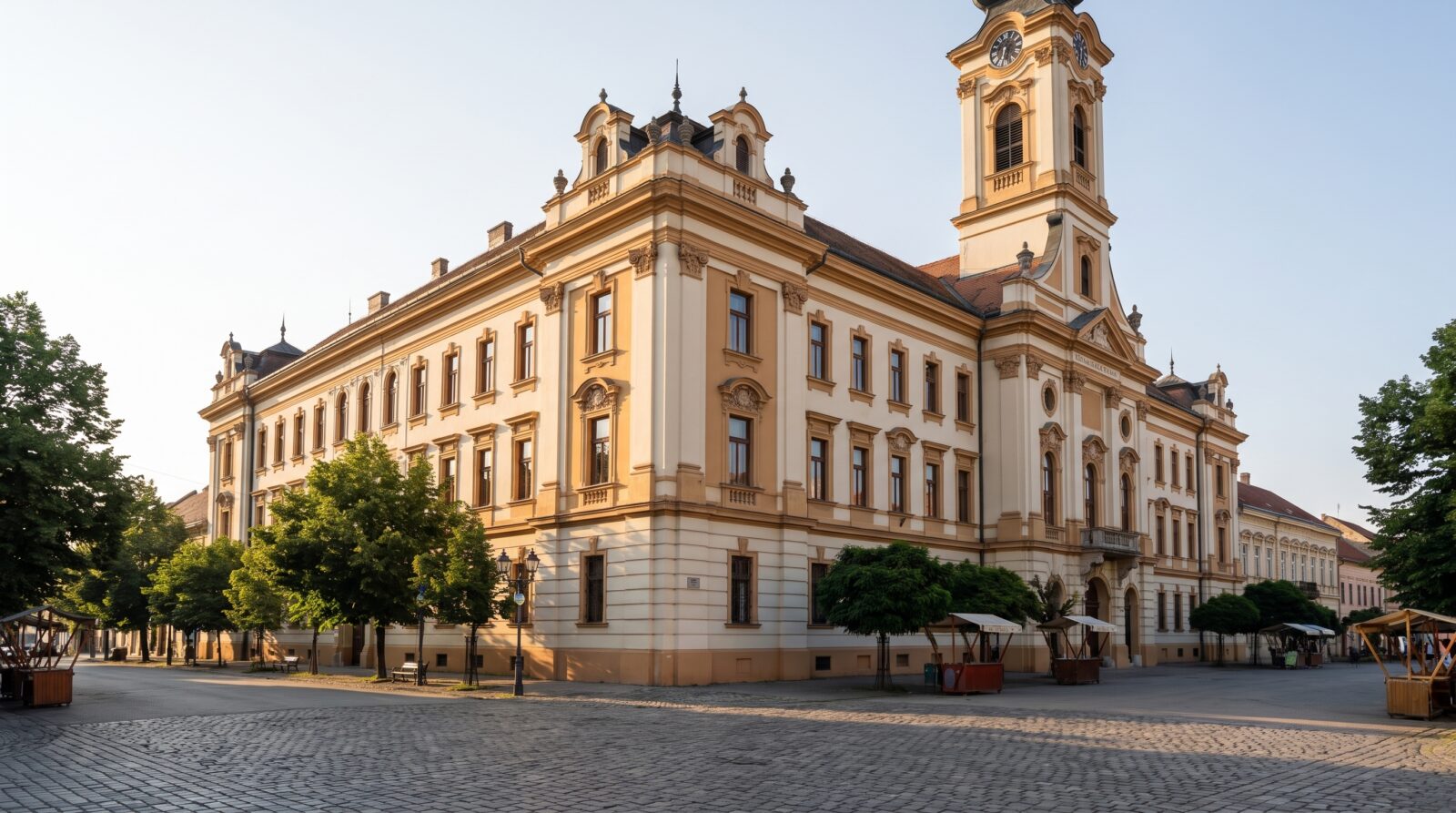
The Karlovacka gimnazija was founded in 1791, making it the oldest Serbian gimnazija, though the building you would actually walk into dates from 1891, an endowment of Patriarch German Andjelic and his brother Stevan. It is still a working school today, specialising in languages, not a museum piece kept for visitors. TOSK’s own listing marks it visits only by prior notice, with groups capped at 50 and photography allowed; there is no independent walk-in access, and no published opening hours to check instead.
Seeing the Cathedral of St Nicholas without fixed hours
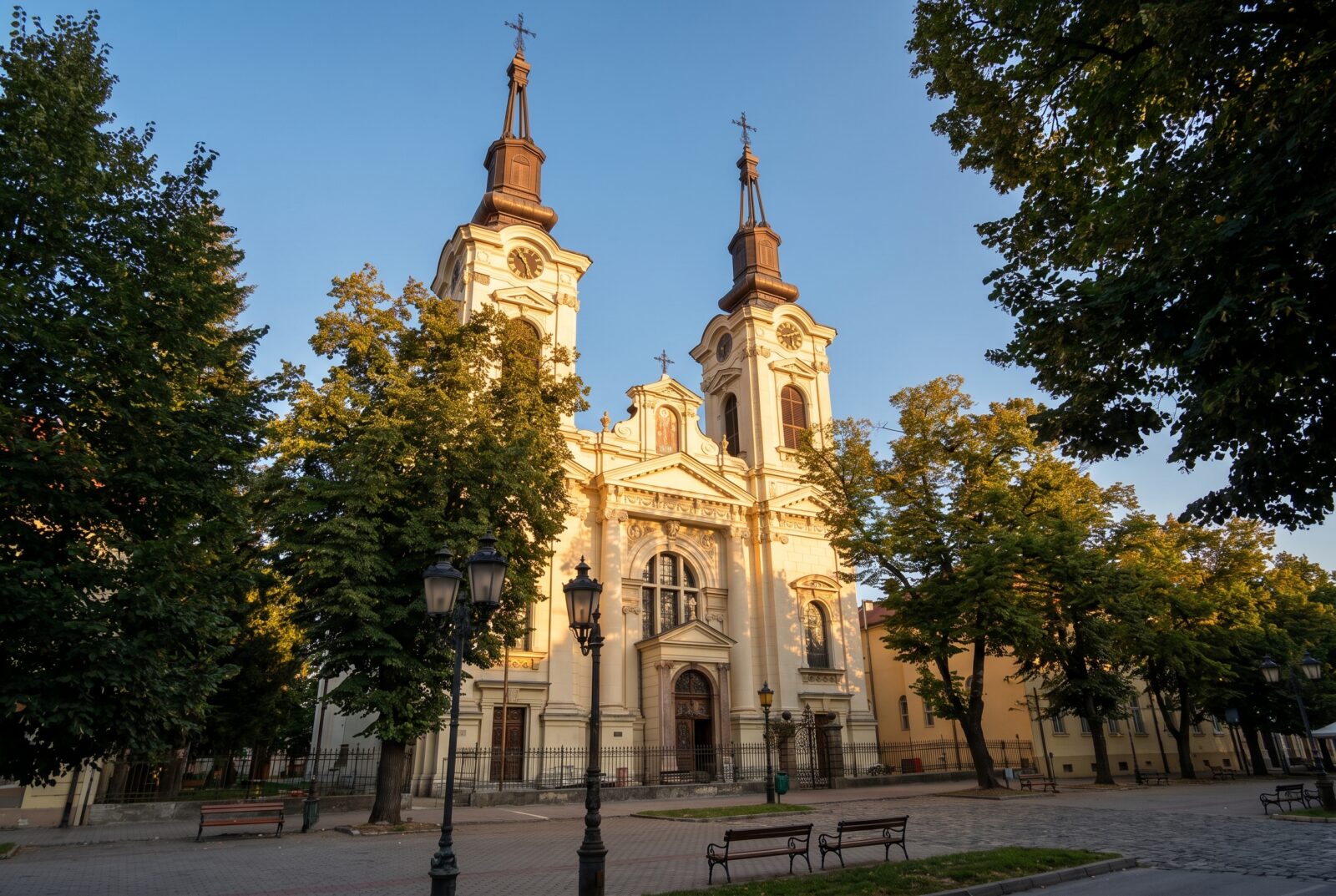
The Cathedral of St Nicholas dates from 1762 and took the appearance it has today after a reconstruction carried out in 1909 and 1910. Inside, the iconostasis was painted by Teodor Kracun, and the altar holds relics of St Arsenije Sremac. Unlike the gimnazija and the chapel, TOSK’s page does not mark the cathedral appointment-only, only a 50-visitor cap for tour groups, so treat it as an active parish church with no published independent visiting hours rather than a monument on a fixed schedule.
Marking the spot where the treaty was signed
The Chapel of Peace, Kapela mira, was built in 1817 on the site of the wooden hall where the Treaty of Karlowitz was negotiated in 1699, replaced by decision of the Vienna War Council. TOSK’s own account adds a specific detail: delegates there used a round table for the first time in an official world-diplomacy negotiation. The chapel has since been renovated and now holds Mass only on select religious holidays. Visits run only by prior appointment, with the same 50-person cap, and TOSK’s listing allows photography and the purchase of souvenirs during the visit.
Only the year of the treaty, 1699, is established from institutional sources. Neither the park authority nor Sremska Mitrovica’s own Institute for the Protection of Cultural Monuments publishes a day, a month, or the treaty’s territorial terms, so this page does not repeat a date it cannot source. The peace itself reaches beyond Karlovci: afterwards, Christian populations from further south moved north into Habsburg territory and resettled the slopes of Fruska Gora, repopulating the monasteries the mountain is now known for.
Paying for a visit nobody prices publicly
No admission price is published anywhere for Karlovci’s heritage sites. The heritage-sites page links three buttons, for group visits, for small groups or individuals, and for tickets to other sites, each labelled cenovnik, a price list. All three resolve back to the tourism organisation’s homepage rather than to an actual document, so no figure could be read behind any of them; a script-driven form or a PDF is the likely cause, not a deliberate withholding.
The museums listing page is no more forthcoming: it gives addresses, contacts and hours for all three museums, and no ticket price for any of them. Ask the tourism organisation directly, at karlovci.org.rs, before you plan a budget around a visit here.
Choosing among Karlovci’s three museums
Three small museums round out Karlovci beyond its appointment-only monuments, and none of them charges what you would call a marketed ticket price.
Touring the heritage collection, a Novi Sad branch
The Zavicajna zbirka Sremski Karlovci, the town’s heritage collection, is a branch of the Museum of the City of Novi Sad, at Patrijarha Rajacica 16. It opens 09:00 to 17:00 every day except Sunday, though the same listing adds that a Sunday visit is possible if you announce it in advance.
Untangling one museum, not two, for honey and beekeeping
You may see Karlovci described as having both a honey museum and a beekeeping museum. It has one: the Muzej pcelarstva, Profesor Jovan Zivanovic, at Mitropolita Stratimirovica 86b, which keeps its own site at museumzivanovic.com. It opens 09:00 to 16:00 every day, with no weekly closing day at all, unlike the other two museums in town.
Finding the Riznica inside the Patriarchal Court
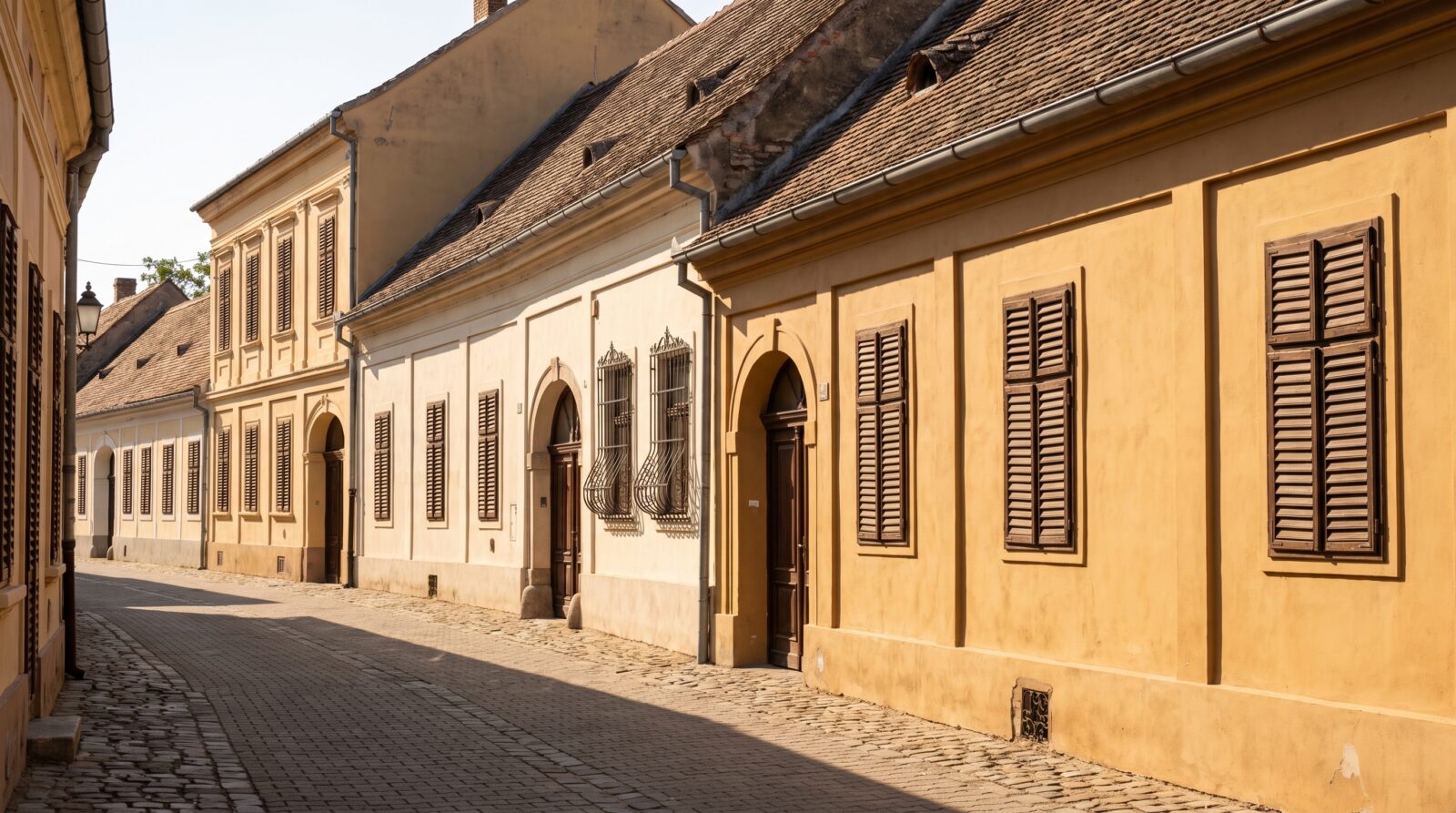
The Riznica, the Serbian Orthodox Church’s own museum, sits inside the Patrijarsijski dvor, the Patriarchal Court, at Trg Branka Radicevica 8. The same building holds a chapel painted by Uros Predic and serves today as the seat of the Bishop of Srem and the Serbian Patriarch’s summer residence. The Riznica opens 08:00 to 14:00 on weekdays and 08:00 to 12:00 on Saturdays; no Sunday hours are given at all, which reads as a closure rather than an oversight, though the source never states it outright.
| Museum | Hours | Weekly closure | Admission price |
|---|---|---|---|
| Zavicajna zbirka (heritage collection) | 09:00-17:00 | Sunday, unless announced ahead | Not published |
| Muzej pcelarstva Zivanovic (beekeeping and honey) | 09:00-16:00 | None stated | Not published |
| Riznica, Patrijarsijski dvor | 08:00-14:00 weekdays, 08:00-12:00 Saturday | Sunday not listed | Not published |
Drinking bermet, a wine with a protected name and no listed producer
Bermet is Karlovci’s aromatised dessert wine, and it has carried a registered geographical indication in Serbia since 2007, entry number 47 on the national register kept by the Intellectual Property Office, ZIS. That registration protects the name; it does not, on its own, point you to a bottle.
As of the register’s most recent edition, dated 19 May 2026, no producer is listed as an authorised user of the Bermet name, unlike most of the neighbouring entries on the same document, which do name a company. A separate registration, Karlovacki rizling, covers a specific Riesling made here: entry number 49, registered in 2008, with Navip Fruskogorac doo recorded as its authorised user since 27 October of that year. Neither registration is an open appellation for every producer in the wider Srem region; the other regional names on the same list, Sremski kulen, Sremska domaca kobasica and Sremska salama, are meat products rather than wine.
Serbia actually runs two tiers of geographical protection, a stricter appellation of origin and a looser geographical indication, and the register’s own spreadsheet does not lay out clearly enough which tier Bermet sits under. Only that it is registered under the umbrella scheme is established here, alongside the elaborate technical document that ZIS lists for it, which itself returned no readable text when checked for this page.
What that means in practice: a bottle labelled bermet carries a protected name, but the absence of a listed authorised user means this page cannot point you to a single producer holding recognised standing to sell it, and TOSK’s own material does not fill that gap either. Ask locally, at a wine cellar or through the tourism organisation, rather than expecting an official shortlist.
Common questions
Is there a direct train from Novi Sad to Sremski Karlovci?
No. The state railway runs trains to Karlovci from Petrovaradin station and from Belgrade, not from Novi Sad station itself. From Novi Sad, the practical option is JGSP Novi Sad’s suburban bus network, mainly line 62.
Can I just walk into the gimnazija or the Chapel of Peace?
No. Both are visited only by prior appointment through the tourism organisation TOSK, with tour groups capped at 50 people. The Cathedral of St Nicholas is visited through the same organisation but is not marked appointment-only in the same way.
How much does it cost to visit Karlovci’s museums or monuments?
No price is published for any of the three museums or for TOSK’s guided visits to the gimnazija, the cathedral or the chapel. The tourism organisation’s own price-list buttons lead back to its homepage rather than to a document, so ask directly before you budget for a visit.
Are the honey museum and the beekeeping museum in Karlovci two different places?
No, they are the same institution: the Muzej pcelarstva, Profesor Jovan Zivanovic, which covers both beekeeping and honey under one roof.
What day was the Treaty of Karlowitz signed?
Only the year, 1699, is established by the institutional sources checked for this page. None of them gives a day or a month, so this page does not repeat one.
Is bermet the same as any wine sold under the Karlovacki rizling name?
No. They are two separate registrations on Serbia’s geographical-indication register. Bermet, an aromatised dessert wine, has no producer currently listed as an authorised user of the name. Karlovacki rizling is a specific Riesling with one named authorised producer, Navip Fruskogorac doo, and the two names are not interchangeable.
Nearby
Fruska Gora picks up directly from the history here: the same 1699 peace that Karlovci’s chapel marks is what sent settlers up onto the mountain’s slopes to repopulate its monasteries. Novi Sad in a day covers the city most people pass through to reach Karlovci, and Belgrade to Novi Sad details the train service this page only summarises. If you would rather drive the whole route yourself, renting a car in Serbia covers what that takes, and day trips from Belgrade lists the other routes built the same way.