
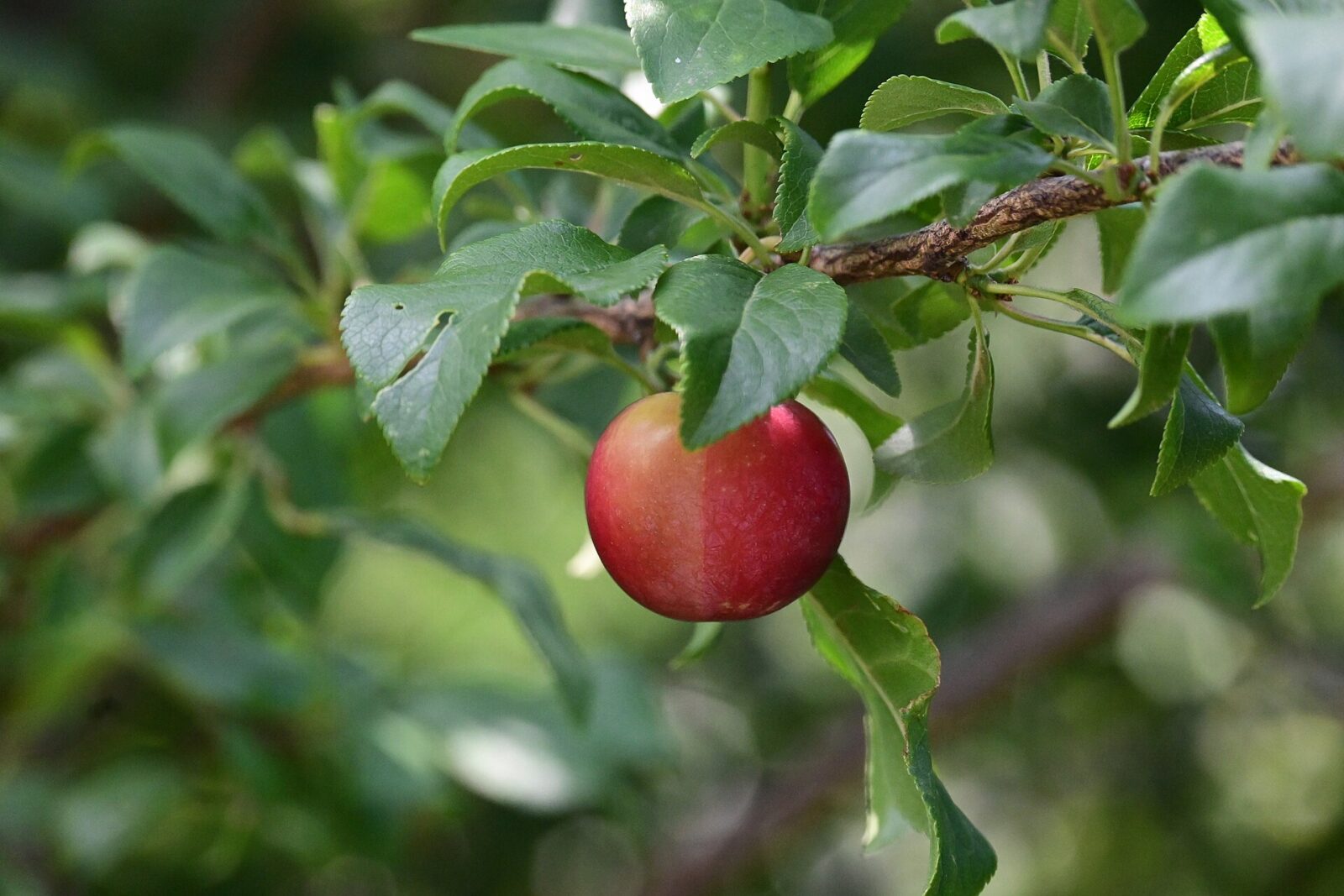
Rakija is the fruit brandy you will be offered more often than you order in Serbia, distilled from whatever orchard fruit is closest to hand, plums most of all. Ask what makes a bottle genuinely Serbian, though, and the honest answer is that no single name carries that protection in law, not yet.
That gap between reputation and registration runs through most of what follows: rakija is everywhere in Serbian life and almost nowhere in Serbian law as a protected name, and the two facts sit side by side without contradicting each other.
That gap is the starting point for this page rather than a footnote to it. Serbia produces tens of millions of litres of rakija every year, much of it outside any formal registration at all, and the country’s own intellectual-property register tells a clearer story about what is and is not officially recognised than any bottle label does. A wine from a specific hillside can carry a protected name almost anywhere in Europe; a plum brandy from a specific Serbian valley, however well known locally, currently cannot, and that distinction is worth understanding before you take a bottle’s label at face value.
The short version. No Serbian-origin rakija currently holds a registered geographical indication in Serbia’s own national register; the only rakija entry in it belongs to a Montenegrin grape spirit, even though sljivovica itself, the plum spirit, was inscribed on UNESCO’s Representative List of Intangible Cultural Heritage in 2022. Serbia produces an average of about 44.8 million litres of rakija a year, growing roughly 2.9% annually. A 2009 law required registration to trade rakija commercially; a 2015 law replaced it and let household producers sell any surplus without registering, though no specific quantity limit for distilling at home for personal use turned up in what this page could check. Serbia’s legal drinking and buying age is 18, and the drink-driving limit is 0.2 mg/ml. Rakija is subject to these general alcohol laws like any other spirit; this page does not recommend where to buy it, what to pay, or any particular brand.
On this page
What rakija actually is
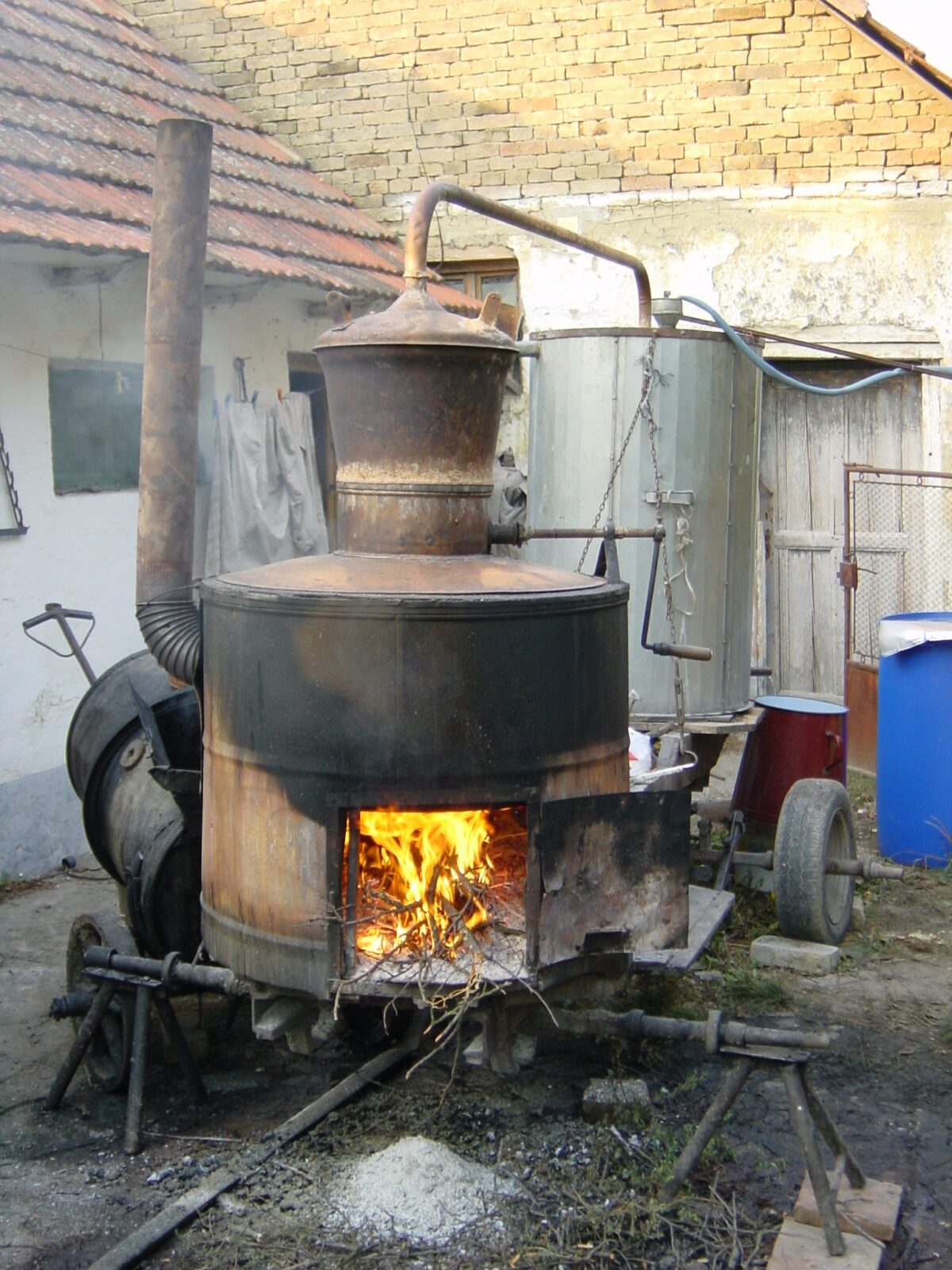
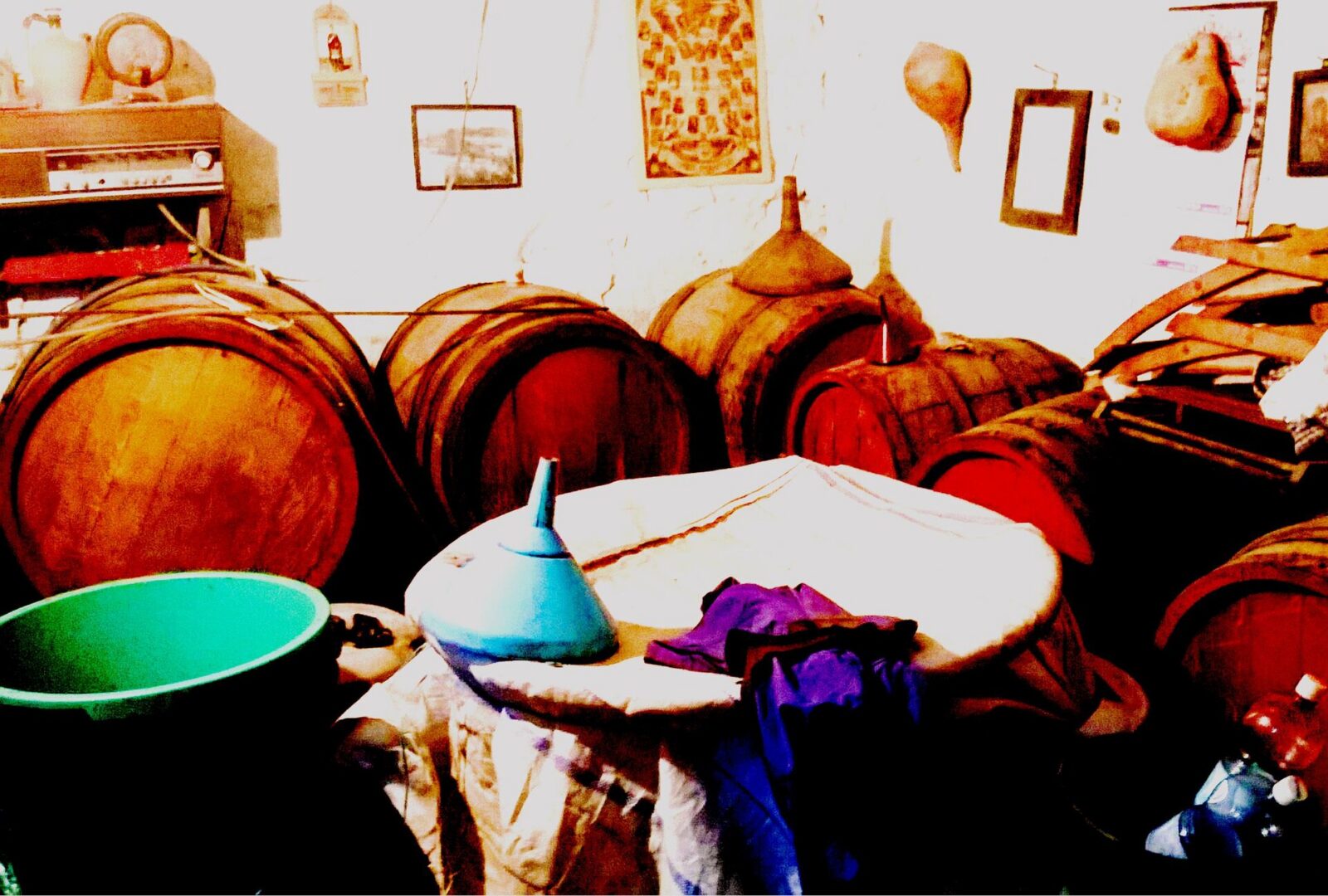
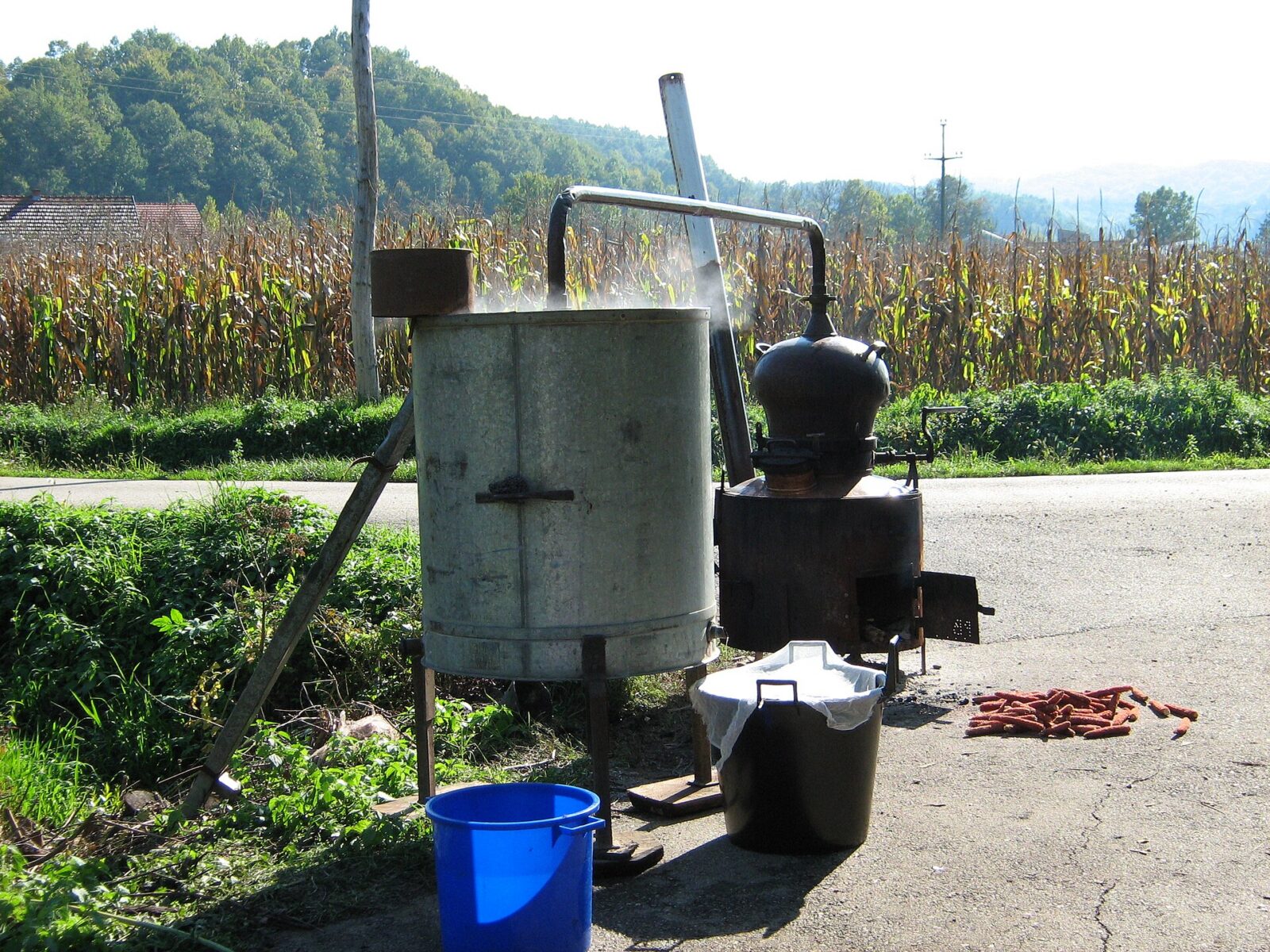
Rakija is a distilled spirit made from fermented fruit, and in Serbia it is treated less like a category of alcohol and more like a household staple: many families still make their own, in small stills, from whatever their own trees or a neighbour’s produce that year. A batch typically starts as fermented fruit mash, gets distilled at least once, and often a second time for a cleaner result, before resting in a bottle, a demijohn or, for some producers, a wooden barrel, sometimes for months and sometimes for years before it is ever poured.
None of that process is regulated the way a wine appellation or a whisky designation might be elsewhere. A neighbour’s homemade batch and a commercially distilled bottle can sit on the same table, made from the same fruit, with nothing beyond taste and reputation to tell you which is which. Strength varies for the same reason: a homemade batch might come out notably stronger or weaker than a commercial bottle, and without a standard to measure against, “how strong is it” gets answered by tasting rather than by a label you can trust in advance.
Sljivovica, the plum version
Plum rakija, sljivovica, is the version most closely associated with Serbia and the wider region, made from the same plum orchards that also supply the country’s jam and dried-fruit trade. It is the rakija you are most likely to be offered as a welcome, before a meal, or at a celebration, and it is usually the default answer if you simply ask for “rakija” without naming a fruit. Sljivovica itself, specifically, was inscribed on UNESCO’s Representative List of the Intangible Cultural Heritage of Humanity in 2022, recognition of the knowledge and practice behind making it rather than of any single producer or region.
Other fruits, and blends
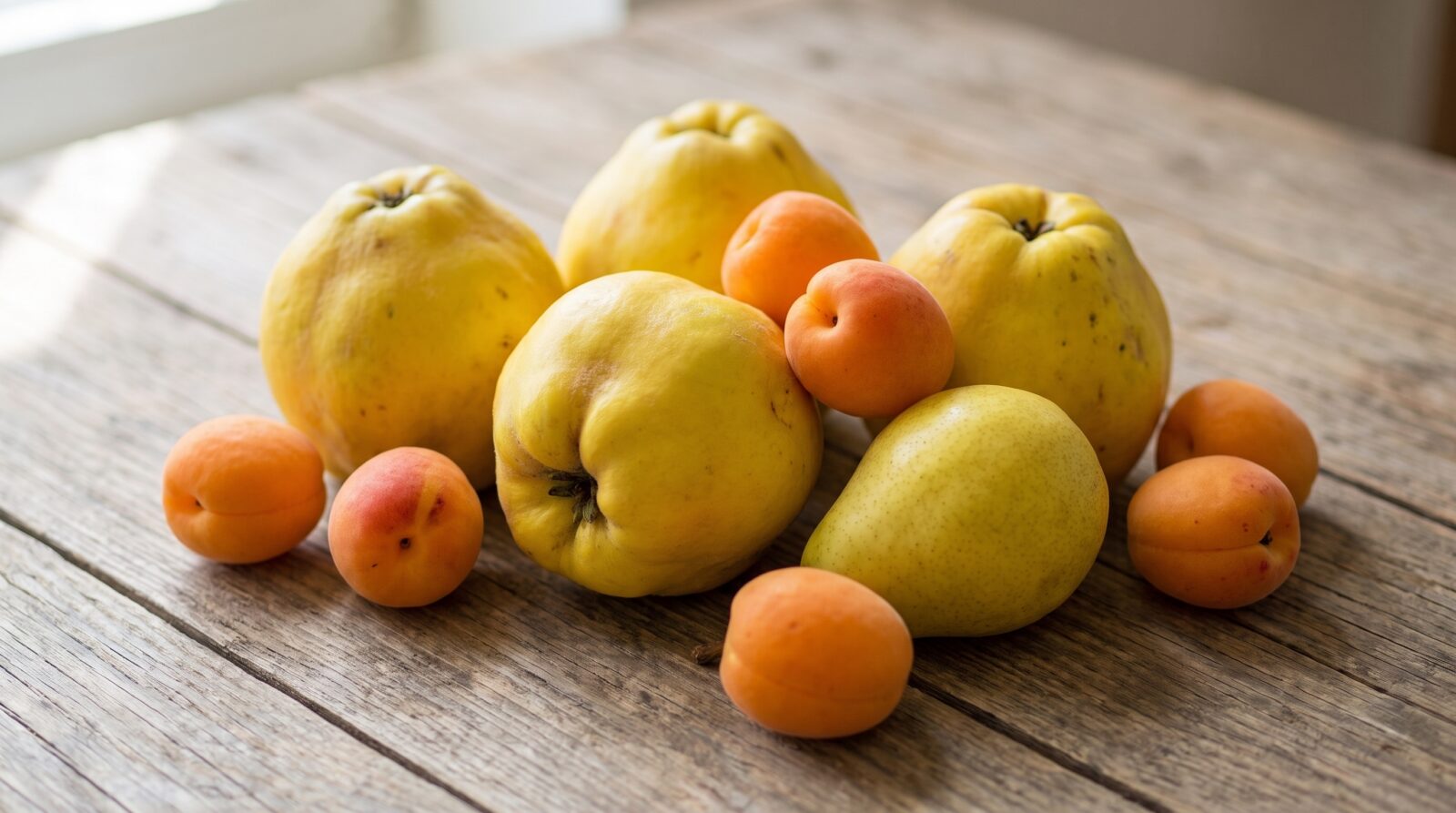
Quince (dunja), apricot (kajsija), pear (kruska) and grape (loza or komovica) all get distilled into their own versions, and small producers often blend fruits or age a batch in wood rather than sticking to a single recipe. Honey, walnut and various herbs also turn up as flavourings added to a finished batch rather than distilled themselves, another layer of variation with no fixed recipe behind it. None of that is standardised anywhere: what goes into a given bottle depends entirely on who made it.
Why no bottle carries a protected name
Serbia’s Intellectual Property Office (Zavod za intelektualnu svojinu, ZIS) keeps a national register of geographical indications, the same kind of legal protection that ties a name like Champagne or Parmigiano Reggiano to a specific place and method. A registration like that would mean a name such as “sljivovica” or a specific regional rakija could only be used by producers meeting a defined standard, tied to a defined area, the way it works for those other products. Reading the register directly, rather than trusting a label, settles the question of what is officially protected in Serbia and what is not.
| Registered name | Country of origin | Holder | Registered |
|---|---|---|---|
| Crnogorska lozova rakija (Montenegrin grape rakija) | Montenegro | Plantaze 13. jul, Podgorica | 2006 |
| No Serbian-origin rakija | Serbia | Not applicable | Not registered |
That single Montenegrin entry is the only rakija anywhere in Serbia’s own register, checked directly against the register’s own published, dated spreadsheet and cross-checked against a second, separately dated official page listing the same specification documents. No Serbian producer or region has registered a protected rakija name, sljivovica included, whatever a bottle’s marketing might imply. The 2015 Law on Strong Alcoholic Beverages opened a registration procedure for exactly this kind of protection on spirits like rakija; more than ten years on, this register shows no Serbian producer or region has used it.
How much Serbia actually produces
Serbia’s Ministry of Agriculture, citing the country’s Republic Statistical Office, puts average annual rakija production at about 44.8 million litres, growing at roughly 2.9% a year. That is a national total across every fruit, every producer and every scale, from household stills to commercial distilleries, and the ministry itself frames the figure as its own reading of the Statistical Office’s data rather than a number the Office published directly under its own name.
Before a 2009 law regulating rakija and other alcoholic beverages, just over 2,000 producers, 2,048 by the ministry’s own count, were registered to trade it commercially. That law only allowed bulk rakija to move between registered producers, which meant a large number of people distilling for their own household use sat entirely outside the formal trading system, neither counted commercially nor selling anything. Put the two figures side by side and the gap is stark: an estimated 44.8 million litres produced nationally each year, against barely two thousand producers ever registered to trade any of it commercially. Whatever the true scale of home production, the registered commercial sector was, by the ministry’s own account, only ever a fraction of the whole.
Producing rakija for yourself
A 2015 law, the Law on Strong Alcoholic Beverages, replaced the 2009 rules described above and changed what a household producer is allowed to do with what they don’t drink themselves. Under the 2009 law, only registered commercial producers could legally trade rakija in bulk. Since 2015, anyone distilling for their own household can legally sell any surplus without registering as a commercial producer, closing off the grey area that had left so many home producers technically outside the legal trade.
No specific home-production limit turned up. The 2015 law covers the right to sell surplus rakija without registering commercially, but it does not appear, from what this page could check, to set a household production ceiling. What this page could not find, after checking the Ministry of Agriculture’s own site directly, is a specific quantity threshold or registration requirement for a household still used only for personal consumption, the kind of number that might cover, for instance, how many litres a family can distil each year before needing to register anything. If that detail matters to your own plans, it needs confirming with a Serbian legal source rather than taken from this page.
Serving it the traditional way
Rakija is typically poured in small glasses, roughly shot-glass sized, and sipped rather than shot back, often before a meal to sharpen the appetite or offered to a guest as a first gesture of hospitality. A toast usually comes with it, most commonly “ziveli” (“cheers”, literally closer to “may you live”), and glasses are clinked before the first sip rather than after. Turning down a first pour outright can read as more pointed than simply pacing yourself through the rest of one, and asking for a smaller glass is generally taken better than refusing altogether.
What the law expects of you
Rakija counts as a spirit under Serbian law like any other, which means the general rules on minimum purchase age, drink-driving limits and where you can legally drink in public all apply to it exactly as they would to wine, beer or anything stronger. Home distillation sits in its own legal category rather than under these purchase-and-consumption rules, covered separately above.
Two numbers worth knowing. Serbia’s minimum age to be served alcohol, including rakija, or tobacco is 18; a trader who doubts your age can withhold service until you produce a valid ID card, passport or driving licence. Behind the wheel, the legal blood alcohol limit is 0.2 milligrams per millilitre, above which counts as driving under the influence, and it drops to zero for motorcycle riders, drivers of vehicles over 3,500 kg or with more than eight seats, public transport and dangerous-goods drivers, and learner or probationary licence holders and their supervisors. Serbia travel essentials covers the wider picture of Serbia’s legal rules for visitors, and renting a car in Serbia goes further into drink-driving specifics if you plan to drive.
None of this is written to moralise about drinking. Serbia treats rakija as ordinary and everyday as any other spirit, and the legal framework around it, purchase age, driving limits, public consumption, exists for the same practical reasons those rules exist anywhere else. Knowing the framework exists is enough; how much you drink, if at all, is a personal decision this page has no business making for you.
This page also does not recommend a producer, a bottle, a price or a place to buy one, and it does not link to any tasting experience or activity marketplace either. What is legally established sits above; where and what to buy is a separate question this page leaves entirely to you.
Common questions
Is sljivovica an officially protected name?
No. Checked directly against Serbia’s national register of geographical indications, no Serbian-origin rakija, sljivovica included, is registered. The only rakija in the register is a Montenegrin grape spirit, registered in 2006. A legal path to registering one has existed since 2015, but no Serbian producer or region has used it.
How much rakija does Serbia actually make?
About 44.8 million litres a year on average, according to Republic Statistical Office figures cited by the Ministry of Agriculture, with production growing at roughly 2.9% annually. That figure covers every scale of producer, from household stills to commercial distilleries, and it far outweighs the roughly 2,000 producers who were ever formally registered to trade it before a 2009 law.
Can I legally distil rakija at home?
Yes, for personal consumption, and since a 2015 law you can also legally sell any surplus without registering as a commercial producer. What this page could not find is a specific quantity limit or registration threshold on the household production itself. Confirm that detail with a Serbian legal source rather than relying on this page for it.
Which fruit makes the best rakija?
There is no official answer, and this page does not offer a personal one either. Plum (sljivovica) is the version most associated with Serbia, but quince (dunja), apricot (kajsija), pear (kruska) and grape (loza) versions are all made, none of them standardised, and taste varies from one producer to the next far more than the fruit name alone suggests.
Where should I buy rakija in Serbia?
This page does not recommend a producer, a bottle or a price, in keeping with the rule that a travel guide describes what is legally established rather than steering you toward a purchase.
Do I have to accept a shot of rakija if someone offers one?
No custom obliges you to. Accepting a small amount and sipping it slowly, or asking for a smaller pour, is generally taken better than an outright refusal, but nothing in Serbian law or custom compels you to drink alcohol you would rather not, and driving, medication, pregnancy or simply not drinking are all ordinary reasons to say no that most hosts will understand.
Nearby
Rakija comes up constantly around a Serbian table, so eating in Belgrade is the natural next stop if food and drink are what brought you to this page. Serbia travel essentials covers the general alcohol and legal rules this page deliberately leaves unspecified, and renting a car in Serbia is worth reading alongside it if drink-driving limits matter to your trip. Three days in Belgrade is where a first taste of rakija is most likely to come up, at a meal rather than a tasting room.