
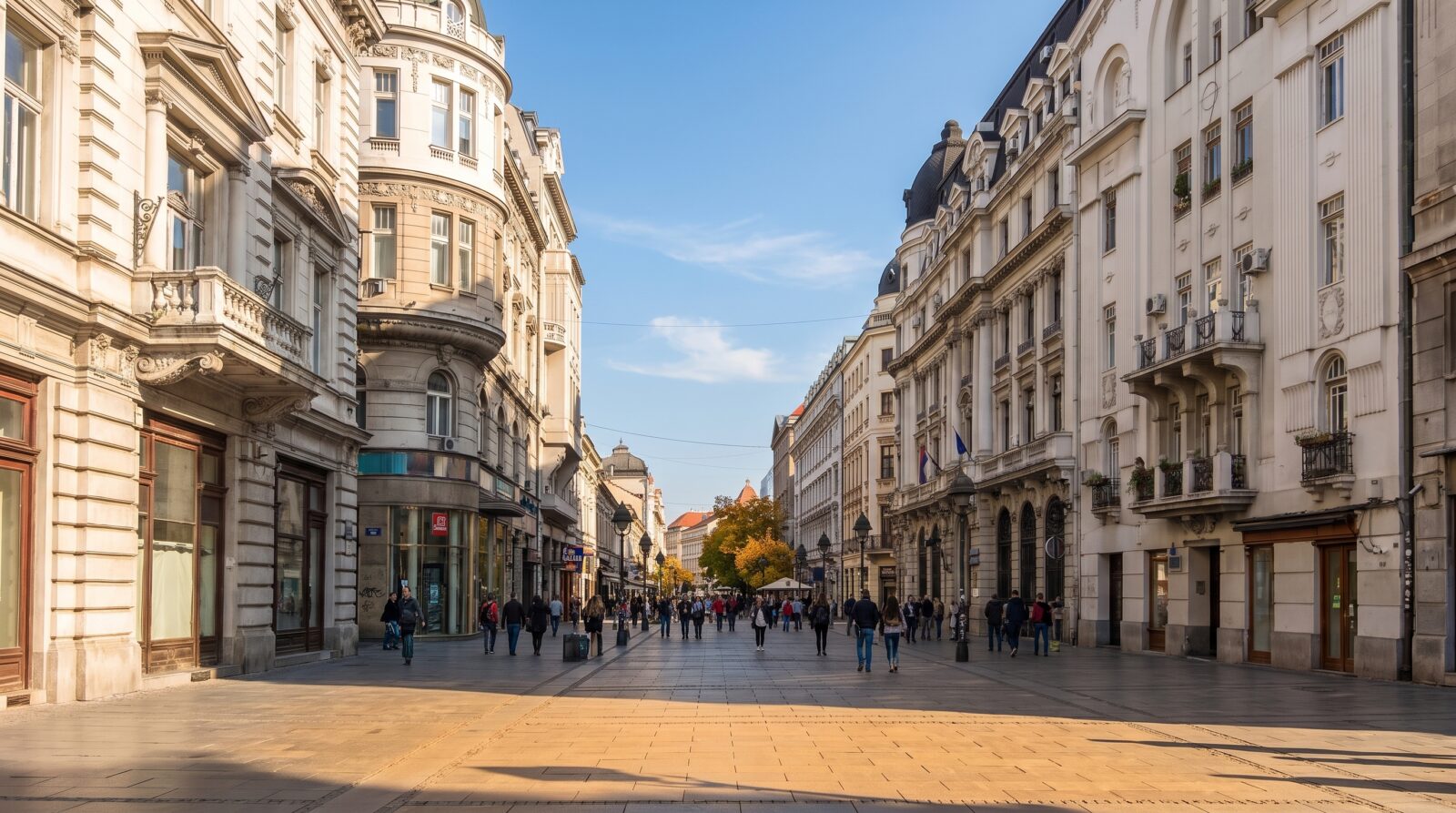
Three days in Belgrade works best when the closing days set the order, not the map. The city’s museums do not share a single rest day between them: some close on Monday, one closes on Tuesday, another on Wednesday, and one never closes at all. None of that makes a short visit hard, but it does mean checking a table before you fix your route rather than after.
The itinerary below groups the sights by where they sit in the city rather than by what kind of place they are, because that is how you will actually walk it. One day covers the fortress and the old centre. One covers Vracar, where the temple and the Tesla museum stand a short walk apart. One crosses the river to Novi Beograd and Zemun, a quieter half of the city most short visits skip.
Two things are worth knowing before any of that. Public transport on the regular network has cost nothing since January 2025, so moving between stops rarely needs planning of its own. And one of the sights on this list, the temple of Saint Sava, has never published what an individual visitor pays to get in; where this page cannot tell you a price, it says so rather than guessing.
The short version. Split the visit into a day for the fortress and the old centre, a day for Vracar and the Tesla museum, and a day across the river in Novi Beograd and Zemun. Public transport has been free on regular lines since January 2025. Museum admission on this itinerary runs from 300 to 800 dinars, and the closing days are spread across Monday, Tuesday and Wednesday rather than shared, so check the table below before you fix your days. The one constant is the Nikola Tesla Museum, open every day of the week, on a guided tour only.
On this page
What closes when
Belgrade’s museums keep their own hours, and nothing forces them into line with each other. The table below covers every ticketed stop on this itinerary, plus the two whose lack of a weekly closure is worth building a day around.
| Site | Closed | Worth knowing |
|---|---|---|
| Belgrade Fortress ticketed sites | Monday | Casemates, Roman Well, Gunpowder Magazine, Military Bunker |
| Nebojsa Tower | Monday and Tuesday | Runs Wednesday to Sunday |
| National Museum | Monday | Free to the permanent exhibition on Sundays |
| Museum of Yugoslavia | Monday | Free on the first Thursday of the month |
| Museum of Contemporary Art | Tuesday | Its two free annexes keep the same closing day |
| Ethnographic Museum | Wednesday | Open Thursday to Tuesday otherwise |
| Temple of Saint Sava | No weekly closure | Open daily, 08:00 to 20:00 |
| Nikola Tesla Museum | No weekly closure | Shorter hours on Monday |
Two patterns matter more than the whole table. A Monday arrival takes out the fortress’s ticketed sites and both the National Museum and the Museum of Yugoslavia at once, which makes it the single worst day to build a museum-heavy morning around. The temple and the Tesla museum are the two stops that stay available whatever day you land.
What the four museums charge
Four stops on this itinerary are ticketed museums, each with its own price list. None of them require booking ahead for an individual visitor; every one sells tickets on arrival, and only group visits of ten or more need to reserve.
| Museum | Full | Reduced | Free slot |
|---|---|---|---|
| National Museum | 300 RSD | 150 RSD | Sundays, 10:00-18:00 |
| Museum of Yugoslavia | 800 RSD | 400 RSD (non-resident students and pupils) | First Thursday of the month |
| Museum of Contemporary Art | 600 RSD | 300 RSD | Two annexes, always free |
| Ethnographic Museum | 600 RSD | 300 RSD | None published |
Hours vary more than the table shows. The National Museum runs 10:00 to 18:00 on Tuesday, Wednesday, Friday and Sunday, but stays open to 20:00 on Thursday and Saturday. The Museum of Yugoslavia keeps a flat 10:00 to 18:00 across its open days, and the Ethnographic Museum a flat 10:00 to 20:00. The Museum of Contemporary Art splits the difference, at 11:00 to 19:00 on Monday, Wednesday, Friday and Sunday, and 12:00 to 20:00 on Thursday and Saturday.
Booking only becomes relevant for a group. The National Museum takes group bookings by email, at [email protected], on working days from 9:00 to 17:00. The Museum of Contemporary Art sells tickets both at its own desk and online through tickets.rs. The Ethnographic Museum recommends buying online ahead of time mainly to skip the queue, not because an individual visitor needs to reserve anything.
One of these prices is less certain than it looks. The Museum of Contemporary Art’s own visitor page has not been updated since June 2020, in either Serbian or English, and its contact page is older still. The price and hours above are the only figures the museum publishes, so they are what this page uses, but treat them as a starting point rather than a certainty and confirm before you go.
Move around for free
Belgrade’s buses, trams and trolleybuses on the regular city and suburban network have carried no fare since 1 January 2025, under a City of Belgrade decision taken at the very end of 2024. There is nothing to buy and no gate to pass through: you get on, you get off, and this whole itinerary assumes you will use it rather than a taxi.
Two exceptions matter if you are counting on this. The express E lines sit in a separate fare category, and so does the A1 line to the airport, which the free-fare policy specifically does not cover. Everything else here, including the trams to Kalemegdan and the lines that reach Vracar and Zemun, is included. Getting around Belgrade has the detail on which line goes where, and the airport transfer covers the one route that is not free.
Give day one to the fortress and the old town
Start at Trg Republike and walk down Knez Mihailova towards the fortress. It is the natural spine of the old centre, and most of the rest of the day sits along it or just off it.
Kalemegdan and Belgrade Fortress can take the rest of the morning. The park and the ramparts need no ticket, and the enclosed sites inside, from the Roman Well to the Casemates, are cheap and quick if you want them. The full page has the prices, the winter hours, and the two sites you cannot simply walk into.
Add the two museums near Trg Republike
The National Museum sits on Trg Republike itself, and the Ethnographic Museum is a short walk away on Studentski trg, so either fits naturally between the fortress and lunch. Both charge between 300 and 600 dinars for an adult ticket, and neither needs booking ahead. If your dates allow it, the National Museum’s free Sunday slot is worth timing a visit around.
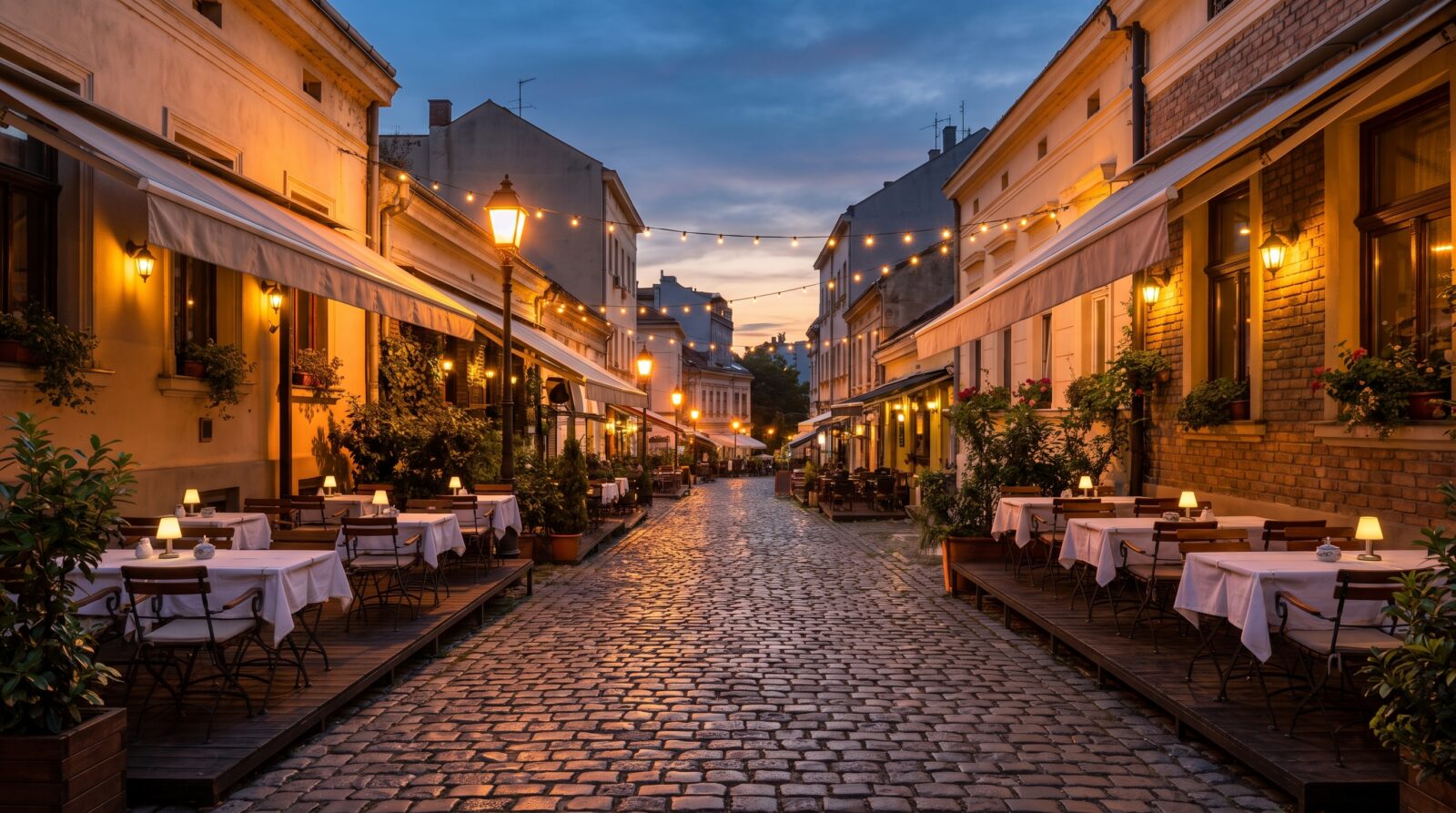
In the evening, walk to Skadarlija, the cobbled quarter of old kafanas east of the centre. It was first proclaimed a protected cultural and historical entity in 1967 and entered the central heritage register in 1981; its earliest buildings date from 1717 to 1739, and the small kafanas that gave the quarter its character opened in the 1860s. Eating in Belgrade covers where to actually sit down.
Give day two to Vracar, Tesla and the House of Flowers
Vracar plateau holds two very different reasons to visit, a short walk apart, plus one further stop worth the detour if the day still has room in it.
The temple of Saint Sava opens daily and is large enough to take longer than its size from outside suggests; the crypt beneath the nave has its own separate character and is worth the extra time. What the temple charges an individual visitor to enter is not published anywhere, by the temple or by the city, so this page does not give you a figure. The full page explains what is, and is not, known about admission.
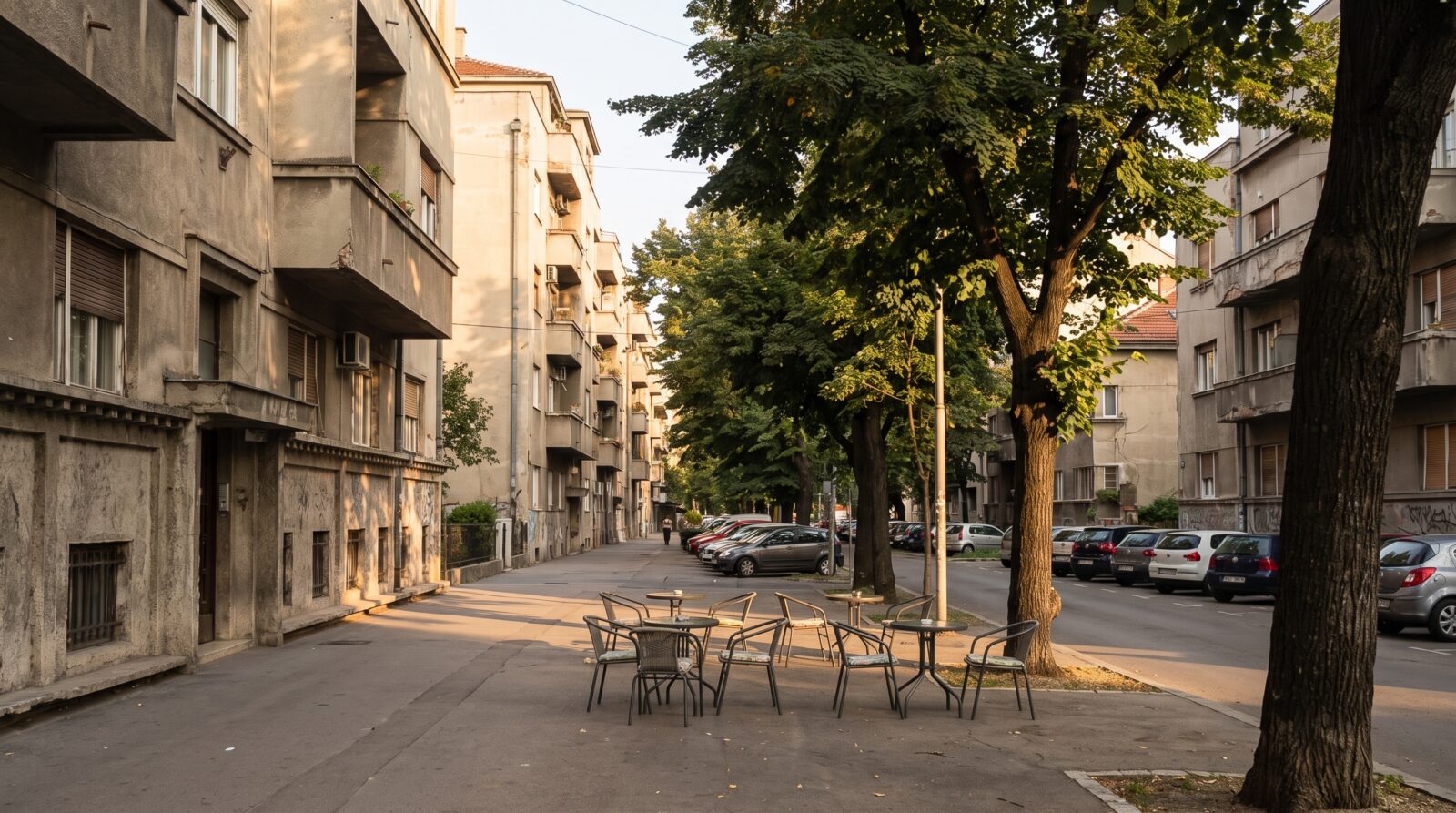
The Nikola Tesla Museum is an easy addition from the same part of town. Every ticket it sells is for a guided tour, in Serbian or English, running about 45 minutes and starting on the hour; there is no way to walk through on your own. Bring cash, since the museum accepts dinars only, no cards, which catches visitors who expect otherwise.
The Museum of Yugoslavia is a further stop for the afternoon. One ticket covers the whole complex, including the House of Flowers where Tito is buried, and it runs guided tours in English at 11:00 and in Serbian at 12:00 every Saturday. At 800 dinars it is the most expensive single ticket on this itinerary.
Give day three to Novi Beograd and Zemun
The third day crosses the river to a side of Belgrade most short visits never reach.
The Museum of Contemporary Art sits at Usce in Novi Beograd, on the New Belgrade side of the confluence. It closes on Tuesdays, alongside its two free annexes, the Salon on Pariska and the Milica Zoric and Rodoljub Colakovic gallery, which keep the same closing day.
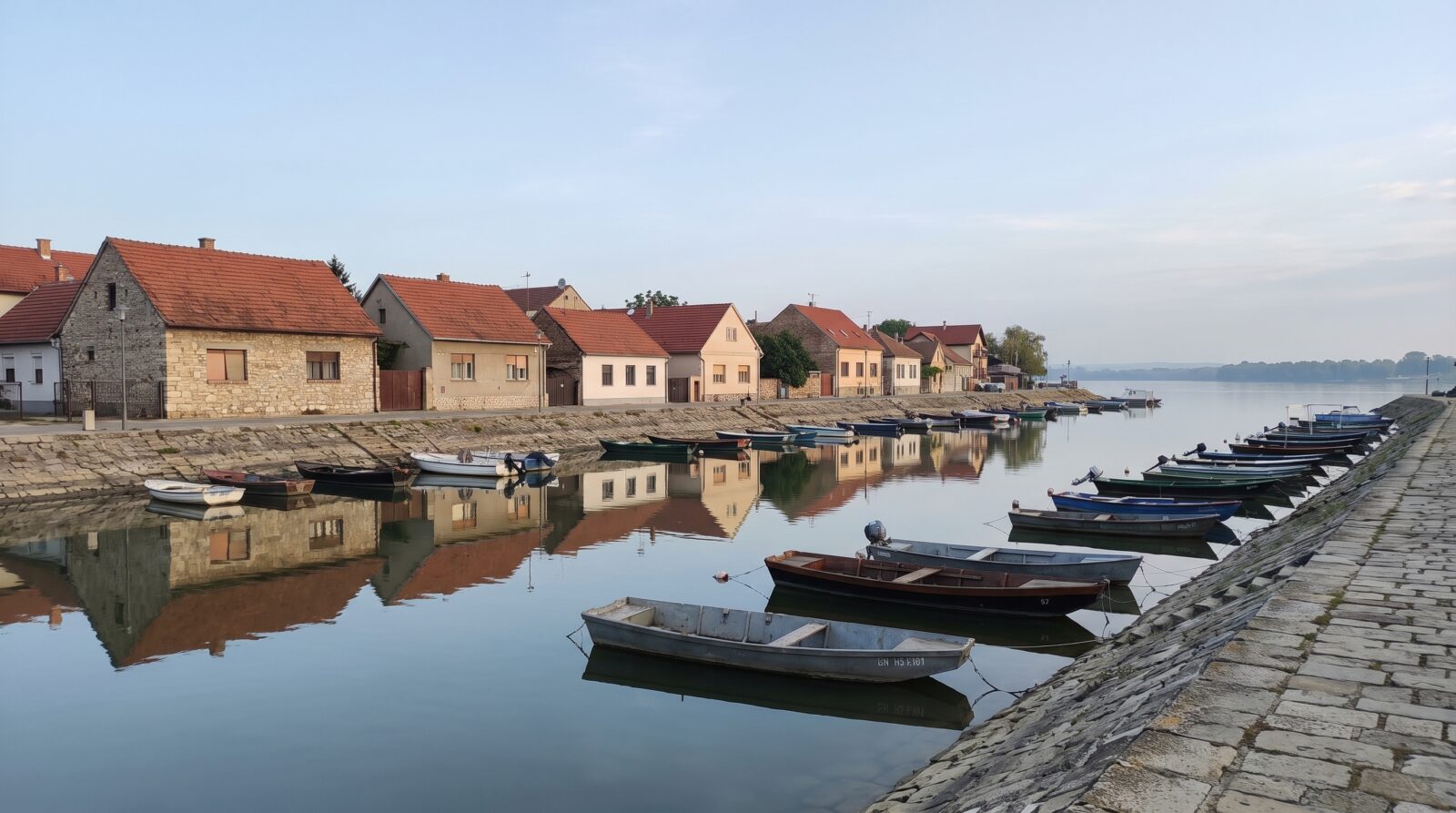
Zemun sits further along the river, a quieter quarter with its own promenade rather than a single sight to tick off. It rewards an unhurried walk along the water more than a fixed plan, and it makes a natural place to end a day that started at a museum.
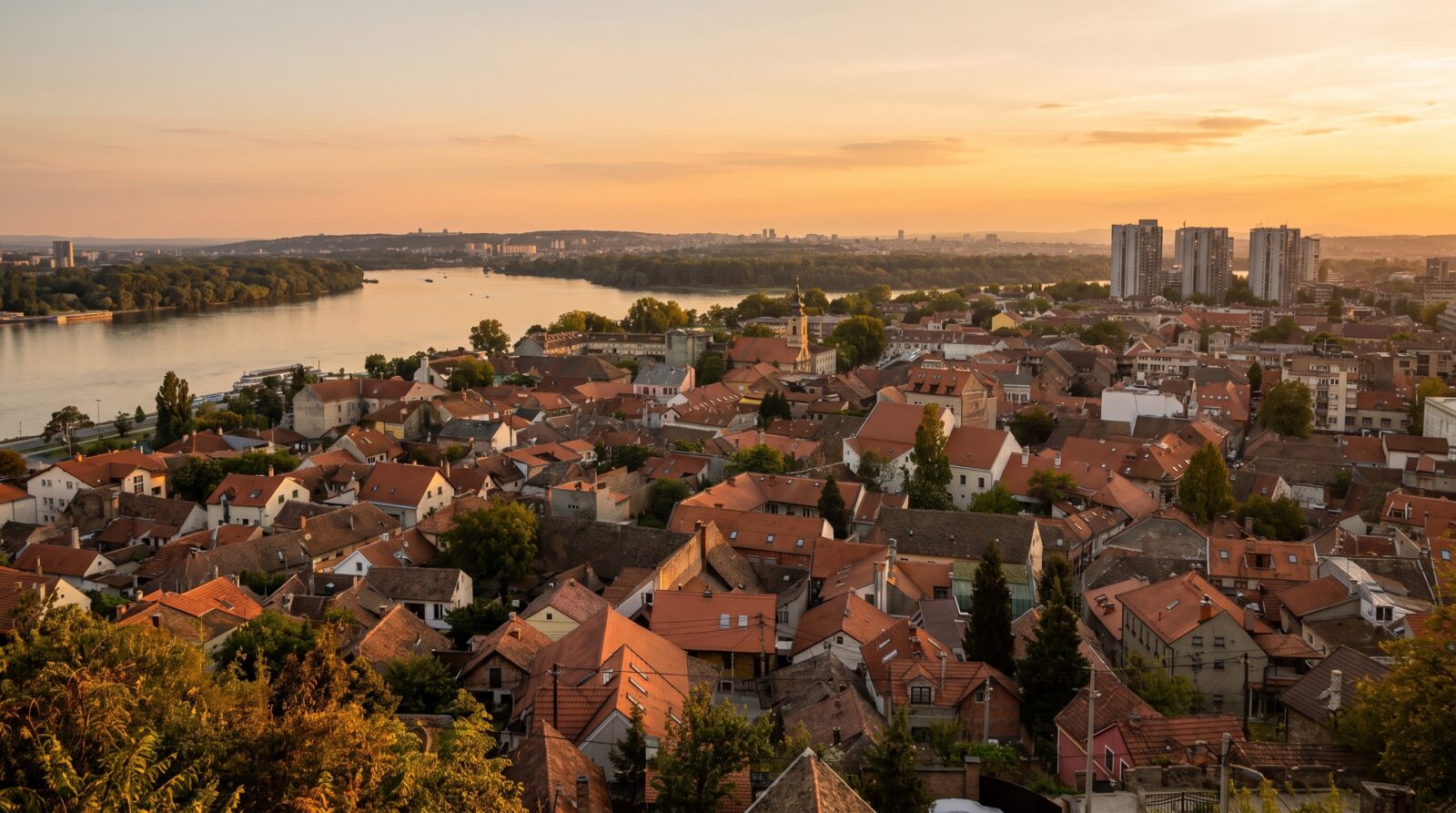
Looking back from this side of the river, the fortress and the confluence read differently than they do from the ramparts themselves: a skyline rather than a viewpoint, with the two rivers meeting below it.
Reorder around a Monday, Tuesday or Wednesday arrival
The three-day shape above assumes you can choose which day is which. If you cannot, check the closures table first and move the day that would lose the most.
Arriving on a Monday costs you the fortress’s ticketed sites and both the National Museum and the Museum of Yugoslavia in one go. Push the old-town day to later in the trip and start with Vracar instead: the temple has no weekly closure, and the Tesla museum is open every day regardless.
A Tuesday takes out the Museum of Contemporary Art and Nebojsa Tower, so swap the Novi Beograd day for the old town instead; nothing else on this itinerary closes that day. A Wednesday only affects the Ethnographic Museum, which is easy enough to drop from day one without reshaping anything else.
Cut it to two days
Two days still works if you accept that something gets dropped rather than rushed.
Keep the fortress, Knez Mihailova and Saint Sava on day one, since they sit close enough together to combine without doubling back. Give day two to the Tesla museum and one further museum rather than several: the Museum of Yugoslavia if the House of Flowers interests you more than contemporary art, or the Museum of Contemporary Art if it is the other way round. Save Zemun and Novi Beograd for a longer visit, and drop the National and Ethnographic museums from day one rather than trying to fit both in alongside the fortress.
Eat and sleep without extra planning
Where you eat and where you sleep barely need separate planning if you are only here two or three days. Eating in Belgrade covers what to order and where, beyond Skadarlija’s tourist-facing kafanas, and where to stay in Belgrade lays out which district suits a short stay built around this route.
Common questions
What’s the best day of the week to start?
Any day works, but starting on a Thursday or Friday avoids running into a Monday or Tuesday closure partway through the trip. If you can only avoid one day, avoid starting on a Monday: it is the only day that takes out the fortress’s ticketed sites and two museums at once.
Do I need to book museum tickets in advance?
No, for an individual visitor. The National Museum, the Museum of Contemporary Art and the Ethnographic Museum all sell tickets on arrival with no reservation needed; only group visits of ten or more require booking ahead. The Nikola Tesla Museum is the exception worth planning around, since its guided tour slots can fill and groups, not individuals, are the ones who can reserve.
Is three days too much, or too little?
Two days covers the fortress, the old town and Saint Sava without feeling rushed. Three adds either the museums of Vracar or a full day across the river in Novi Beograd and Zemun; it does not comfortably fit both unless you are happy moving quickly.
Can I pay by card everywhere?
Not everywhere. The Nikola Tesla Museum accepts cash in dinars only, with no card option at all. The other museums on this itinerary do not publish a similar restriction, but it is worth carrying dinars regardless.
What if it rains?
The four museums, the temple and the Tesla museum’s guided tour are all indoor options that work regardless of weather. Only the fortress park and the walk along the Zemun quay really depend on the day being dry.
Nearby
This itinerary threads through most of what has its own page on this site. Kalemegdan and Belgrade Fortress, the temple of Saint Sava and the Nikola Tesla Museum each go into far more depth than fits here. Getting around Belgrade and the airport transfer cover how you actually move between them; where to stay and eating in Belgrade cover the rest of the practical side.