
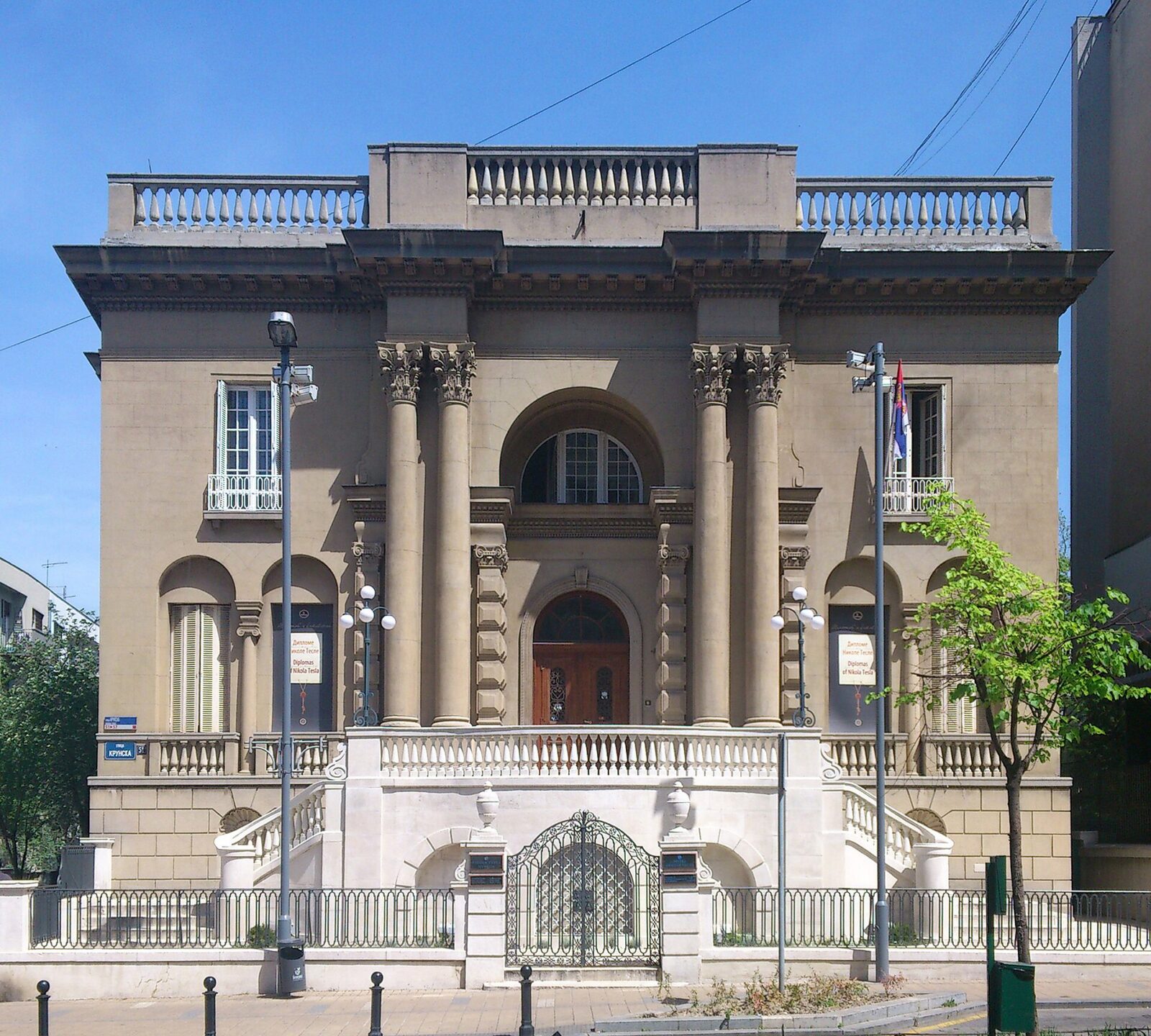
The Nikola Tesla Museum asks you to slow down to its own rhythm before it shows you anything. You can’t walk through on your own; everyone joins a guided tour that leaves on the hour, in whichever language that slot happens to run, and the museum only accepts cash at the door. None of that is obvious from outside, and a visitor who assumes this works like an ordinary drop-in museum is likely to be caught out by at least one of the three. Getting it wrong costs you either the visit itself or an hour standing around waiting for the next slot.
What waits inside is smaller than the reputation suggests: a handful of rooms in a converted villa, working models a guide switches on in front of you, and an urn that has sat on permanent display since 1957 without most visitors realising what they’re looking at. The museum draws around 150,000 people a year, by its own count, into a space a single 45-minute tour covers from end to end.
Skip the practical side and you risk turning up at the wrong hour, in a language you don’t follow, without a single banknote in dinars to your name. The rest of this covers what to expect from the tour, what it costs, and when the doors are actually open.
The short version. Tours run on the hour, last about 45 minutes, and every ticket sold is for one; individuals just turn up, groups over 10 must book ahead. An English tour costs 800 RSD, a Serbian one 400 RSD, with lower group rates for both, and admission is free for visitors with disabilities and the person accompanying them. The museum takes cash in dinars only, no cards. It opens 10:00 to 20:00 Tuesday to Sunday, and 10:00 to 18:00 on Mondays, with no weekly closing day at all. The urn holding Tesla’s ashes has been on permanent display since 1957.
On this page
Bring cash, in dinars. The museum states plainly that payment is accepted only in cash and only in dinars; cards aren’t an option at the door. There’s no exchange desk on site, so sort out dinars before you arrive rather than counting on paying any other way once you’re there.
What it costs to visit
Every ticket the museum sells is for the same guided tour. There’s no cheaper unguided admission and no separate rate for seeing only part of the collection, so the price you pay covers a guide’s time as much as it covers entry to the rooms. What changes is the language of the tour and whether you’re travelling alone or as part of a group.
| Tour language | Individual | Group over 10, per person |
|---|---|---|
| English | 800 RSD | 500 RSD |
| Serbian | 400 RSD | 250 RSD |
Admission is free for visitors with disabilities and for the person accompanying them. No child or family rate is published for the standard tour.
When it’s open
The museum opens seven days a week, with longer hours for most of them and a shorter day on Mondays. No separate winter or summer schedule is published; as far as the museum’s own information shows, these hours hold year-round.
| Day | Hours |
|---|---|
| Monday | 10:00-18:00 |
| Tuesday to Sunday | 10:00-20:00 |
Unlike several other Belgrade museums that close for a full day each week, the Nikola Tesla Museum has no weekly closing day, according to its own published information. If a Monday is the only day your schedule leaves free in the city, this is one museum that stays open for it.
How the guided tour works
There’s no browsing this collection by yourself. Tours leave on the hour, run about 45 minutes, and the museum publishes the language for each slot in advance, most of them in English with roughly one Serbian tour a day. Some slots show as full, or reserved for a group larger than 30, so what’s actually available can change through the day, and a slot that looks open in the morning may not still be open by the time you’d reach it in the afternoon.
- Check which slot on the day you plan to visit runs in your language.
- See whether that slot is marked full or reserved for a large group before you commit to it.
- Arrive about 15 minutes early; individuals don’t need to book ahead.
- Bring dinars in cash, since nothing else is accepted at the door.
Booking a group visit
Groups larger than 10 work differently. The museum asks them to book at least a day in advance, by phone on +381 11 2433 886 or +381 11 2438 137, or by email at [email protected], answered Monday to Friday between 10:00 and 15:00. That booking requirement is also why you’ll sometimes see a slot marked as reserved for a group of more than 30 in the middle of the day: once a group that size has taken a slot, it isn’t open to individual visitors turning up on their own.
What to know before you go in
A few rules apply to every visitor, not just groups:
- Photos are allowed without flash or a tripod, in the areas the museum designates; filming is capped at ten seconds at a time, and any commercial or press use needs permission first.
- There’s no cloakroom or lockers. Large items go where your guide tells you to leave them, and umbrellas belong in the area by the entrance.
- Food and drink stay out of the exhibition space, and smoking isn’t permitted anywhere inside.
- Pets aren’t allowed, for safety reasons.
- Children under 12 need an adult with them.
- Free Wi-Fi covers the building, which is under video surveillance throughout.
Seeing the urn that holds Tesla’s ashes
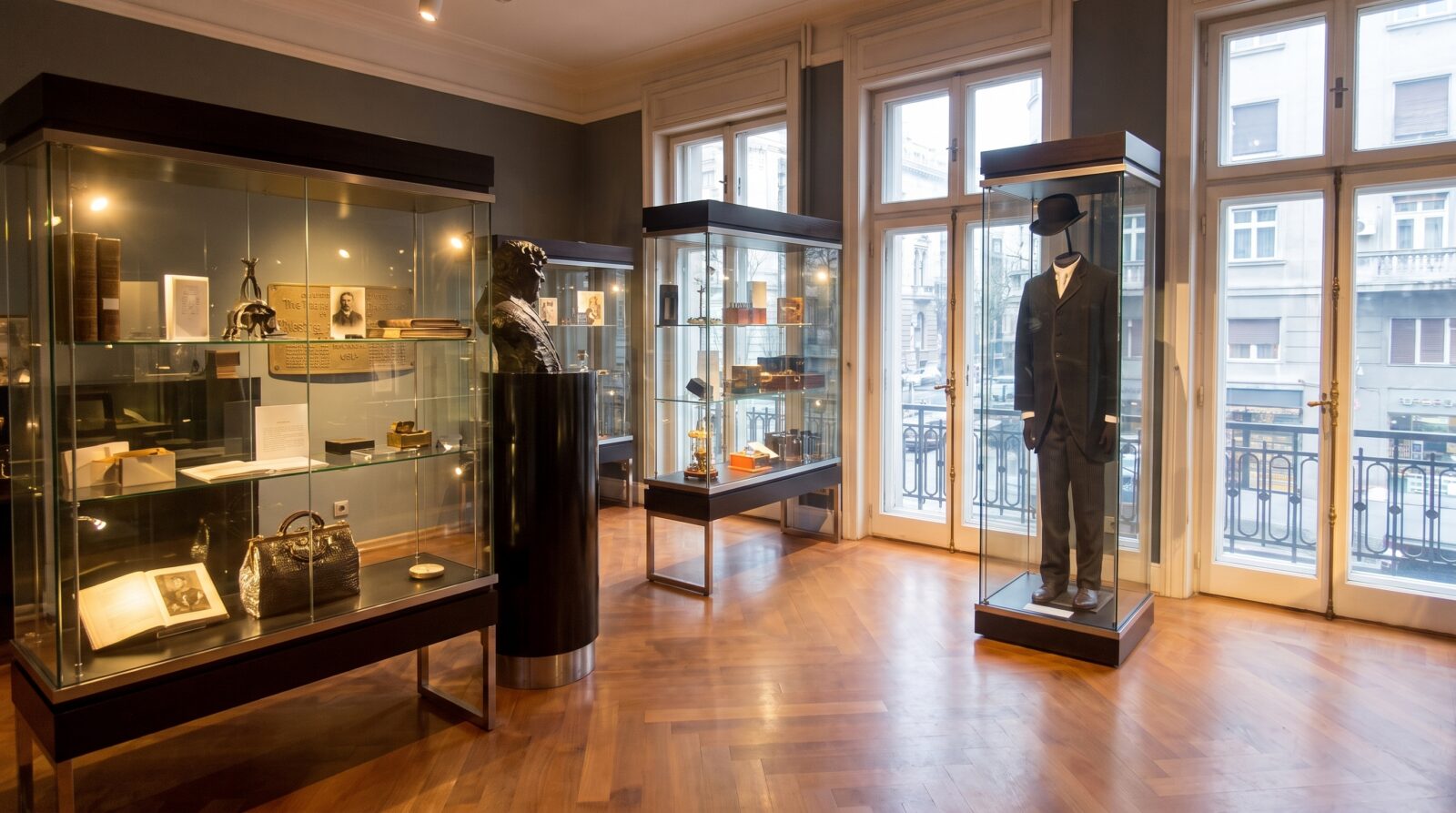
Among everything in the collection, one exhibit surprises visitors who didn’t know it was there: the urn holding Nikola Tesla’s ashes, on permanent display inside the museum since 1957. It’s part of the standard tour rather than a separate attraction, shown to everyone who goes through, whichever language their guide happens to be speaking.
The museum publishes no separate viewing conditions for the urn itself: no dedicated room, no restricted hours, no stricter photography rule than applies to the rest of the exhibition. It sits inside the same rooms as the rest of the archive, and the house rules covering the whole museum are the only ones that apply here too.
What you’ll see inside
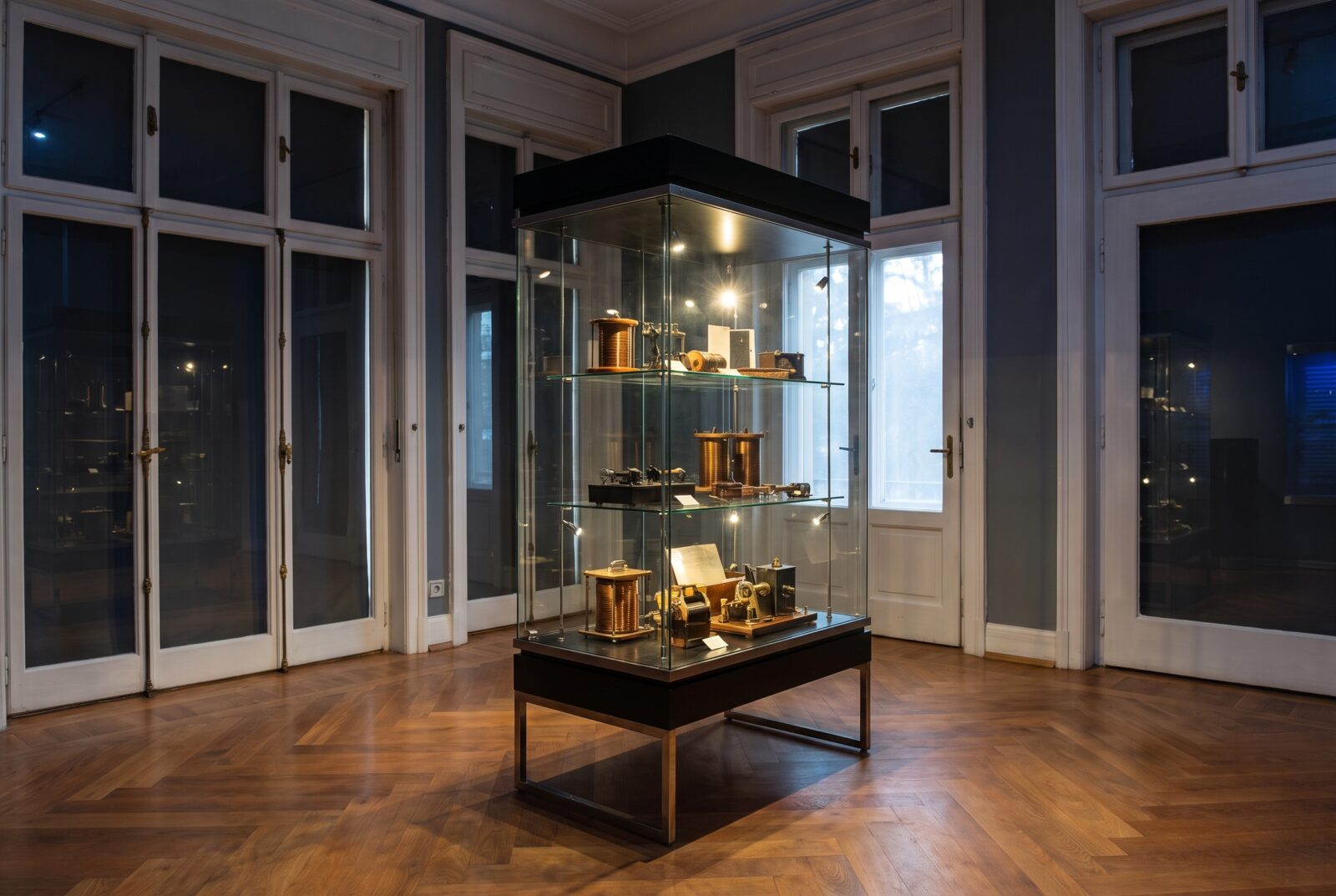
The museum was built to hold Tesla’s personal archive, and that’s still what it centres on: more than 160,000 original documents, over 2,000 books and periodicals, more than 1,200 historical and technical exhibits, upwards of 1,500 photographs and glass plates, and over 1,000 plans and drawings, by the museum’s own count. Part of that material, registered specifically as Nikola Tesla’s Archive, was inscribed on UNESCO’s Memory of the World register in 2003, after Serbia submitted it the year before. Serbia’s own parliament separately declared the archive a cultural asset of exceptional significance in 2005.
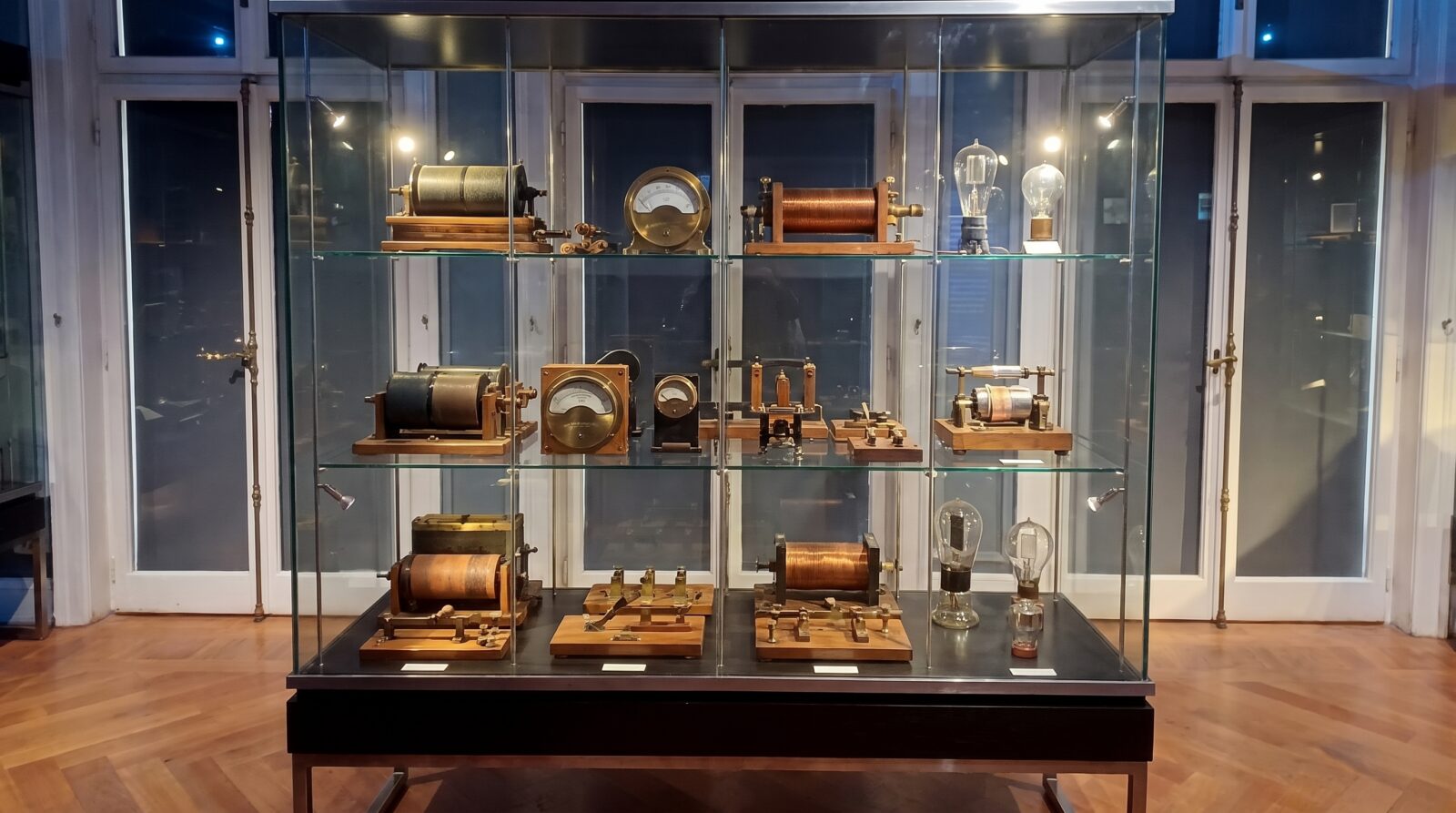
What sets the visit apart from reading about any of this is your guide switching on working models in front of you rather than leaving them behind glass. The exhibits themselves range from apparatus built to Tesla’s own designs to the photographs, plans and correspondence that make up the bulk of the archive. The museum’s own house rules instruct visitors with a pacemaker to keep the distance their guide recommends whenever an exhibit is running, which only makes sense if a live demonstration is a normal part of the tour rather than an occasional extra.
How the museum came to be
The museum exists because the Yugoslav government decided it should: a decision dated 5 December 1952, based on the constitution then in force, signed off under Josip Broz Tito and published in the Official Gazette five days later. Veljko Korac, a professor at Belgrade University’s Faculty of Philosophy, became its founding director.
It took almost three years to open to the public, on 20 October 1955, with a permanent exhibition built to Tesla’s own drawings; the museum’s own history page calls it Yugoslavia’s first technical museum. Responsibility for running it has moved twice since: from the state to the City of Belgrade in 1969, and from the city to the Republic of Serbia in 2020, which now runs it as a national institution. Both changes moved legal responsibility for the museum rather than its site or its collection, which have stayed put since 1952.
Getting there
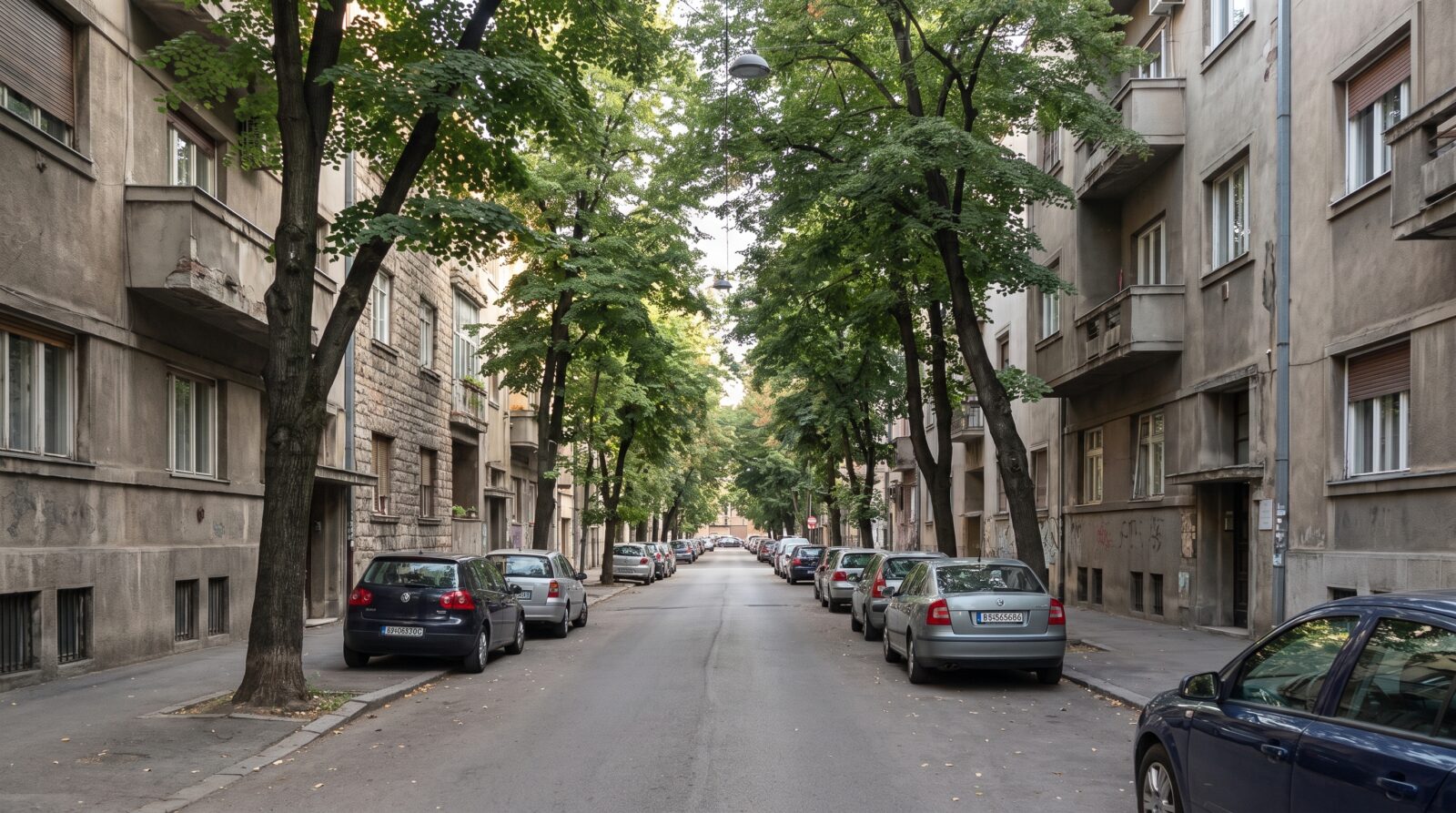
The museum sits at Krunska 51, in the Vracar municipality, inside the former Gencic family villa; the museum itself moved into the building in June 1952. It names Trg Slavija and the Pravni fakultet stop on Bulevar Kralja Aleksandra as its nearest public transport stops. Every regular city and suburban line in Belgrade carries no fare, so getting there by tram, bus or trolleybus costs nothing, and there’s no ticket or top-up to sort out before you set off.
The museum names the stops but not the lines that call at them, and Trg Slavija is a major interchange with at least eight separately numbered stops in the city’s own transport database. This page can’t tell you with confidence which specific tram, bus or trolleybus number to board there; check the transport authority’s route planner closer to your visit, or ask locally once you arrive.
On mobility, the museum describes staff assistance rather than the building itself: it says two staff members are available to help visitors with mobility difficulties, and that it can arrange specific tours for people with special needs. It doesn’t mention a ramp or a lift anywhere on its accessibility page, so this page can’t tell you whether the historic villa is step-free. If that matters to your visit, call ahead and ask directly.
Common questions
Do children need an adult with them?
Yes. Anyone under 12 must be accompanied by an adult, according to the museum’s own house rules.
Is there somewhere to leave a bag or an umbrella?
Not a cloakroom in the usual sense. The museum has no lockers; your guide will tell you where to leave larger items, and umbrellas go in the area by the entrance.
What does the museum offer for visitors who are blind or deaf?
For visually impaired visitors, it publishes Braille brochures and a sound tour with a guide narrating in Serbian and English. For hearing-impaired visitors, it offers printed material and QR-code information, and the film shown as part of the permanent exhibition is subtitled in eleven languages.
What help is there for visitors with mobility difficulties?
The museum says two staff members are available to assist, and that it can organise specific tours for people with special needs. It doesn’t describe the building’s own step-free access anywhere on its accessibility page, no mention of a ramp or a lift either way, so if that’s what you need to know before you go, it’s worth calling ahead rather than assuming.
Are there other rules worth knowing before I go?
Food and drink aren’t allowed in the exhibition space, smoking isn’t permitted anywhere in the museum, and pets aren’t allowed, for safety reasons. Free Wi-Fi covers the building, and it’s under video surveillance throughout.
Can I photograph the working demonstrations?
The same rule covers the whole visit: photos without flash or a tripod in the areas the museum designates, and any filming capped at ten seconds at a time. Nothing published treats the demonstration differently from the rest of the tour.
Nearby
The museum sits close enough to central Belgrade to fold into a single day there, and a 45-minute tour leaves plenty of a morning or afternoon free for somewhere else. The Temple of Saint Sava is a short walk away, and Kalemegdan and Belgrade Fortress cover the city’s older, medieval and Ottoman layers if you have time for both. Getting around Belgrade goes into the fare-free transport network in more detail, and a short stay in Belgrade is a good place to start planning where this museum fits into your days. For the wider city, the Belgrade overview ties the rest of these guides together.