
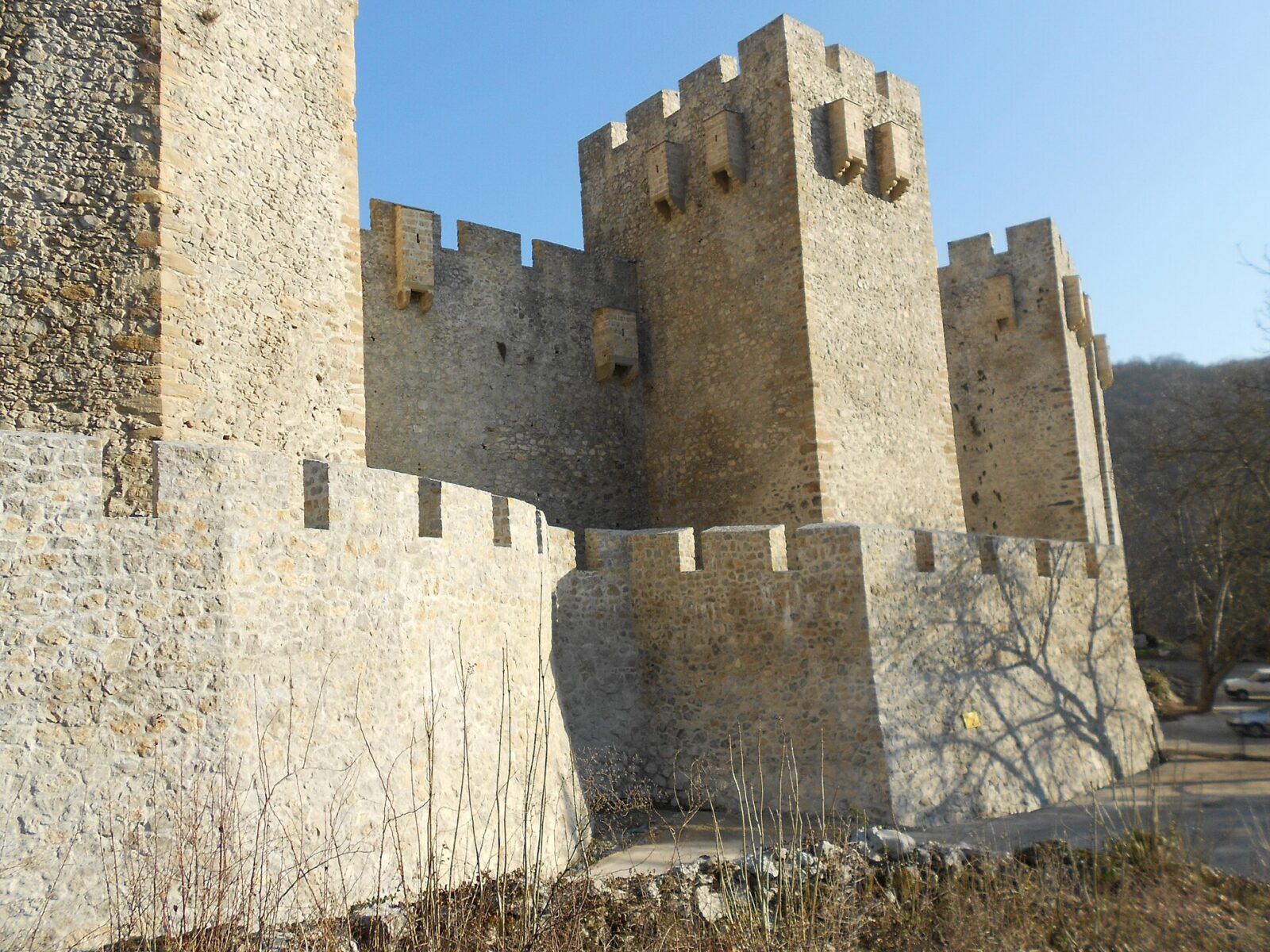
Manasija sits behind its own walls, two kilometres outside Despotovac, and the walls are the first thing you register: twelve towers set close together around the church inside, built to hold rather than to impress. It belongs to Serbia’s protected heritage at the highest legal tier, and it has spent decades under review for a UNESCO listing that has not yet arrived. Few visitors come this far into central Serbia specifically for it, which keeps the site quiet even in the warmer months.
What the monastery does not do is publish much about visiting it. Its own website states hours and a free entry policy, but the page carries no date, so this guide treats those figures as the site’s current claim rather than a confirmed schedule. Plan around that uncertainty rather than around a fixed timetable.
Manasija is one of a small group of central Serbian monasteries that receive far fewer visitors than the country’s better-known sites near Belgrade or the Adriatic-facing south. That is part of the appeal: you get the walls and the church largely to yourself, on weekday mornings especially. It also means less has been written down for a visitor to check against, which is the reason this page leans so heavily on what is, and isn’t, confirmed.
The short version. Manasija is a working monastery 2 km from Despotovac on the road toward Resavica, enclosed by walls with twelve towers, the best known called the Despot’s Tower. It carries Serbia’s exceptional-significance protection status, and sits on UNESCO’s tentative list. The monastery’s own site states free entry and long daily hours, but that page is undated, so treat those specifics as unconfirmed rather than guaranteed. There is no train to Despotovac; you get here by road.
On this page
What isn’t confirmed before you go
Start with what this page can and cannot promise you, because it changes how you should plan the visit.
Rural Serbian monasteries generally publish far less online than a city museum or a national park does, and Manasija is a fairly typical case rather than an outlier. There is one official-looking website, run by the monastery itself, and it carries no dating information anywhere: no publication date on any page, no modification history, and no Last-Modified signal when the page is checked directly. That is different from a page simply being old; it means there is no way to tell how current the text actually is, which is why this guide treats its operational claims as reported rather than confirmed.
Hours and free entry, but no date on the page. The monastery’s own site publishes a visiting schedule: weekdays 08:00 to 19:00, weekends and public holidays 07:00 to 20:00, with entry stated as free and advance notice recommended, not required, for group visits. That text sits in a “Visits” section repeated on the homepage and the contact page, but neither carries a publication date, a Last-Modified header, nor any dating signal at all. The only dated items on the site are unrelated news posts. Since an operational claim from an undated source cannot be treated as confirmed, use these hours as a starting expectation and not as a guarantee, especially outside the working week.
Whether Manasija will eventually join the full UNESCO World Heritage List is also open. An article from the national heritage institute describes Manasija’s inclusion on Serbia’s Tentative List, the preliminary step before a full nomination, crediting decades of research and protection work by the institute. That article itself is not clearly dated beyond referencing an exhibition, so treat the Tentative List status as the last confirmed step rather than an inscription that has already happened.
Built as a fortress and a monastery at once
Manasija belongs to the early fifteenth century, built under Despot Stefan Lazarevic as one of the last major projects of his reign, at a moment when the Serbian state’s remaining territory kept shrinking under Ottoman pressure. That context explains the design: a monastery built behind full defensive walls rather than an open religious complex, at a time when a church alone offered no protection at all.
The same period made Manasija a centre of literary and religious work, part of what is generally known as the Resava school of Serbian manuscript copying and translation, active in the decades either side of the monastery’s founding. None of that literary history is something a visitor can check against an opening time or a ticket price, but it is the reason Manasija carries more historical weight than its modest visitor numbers might suggest.
What you’re actually looking at
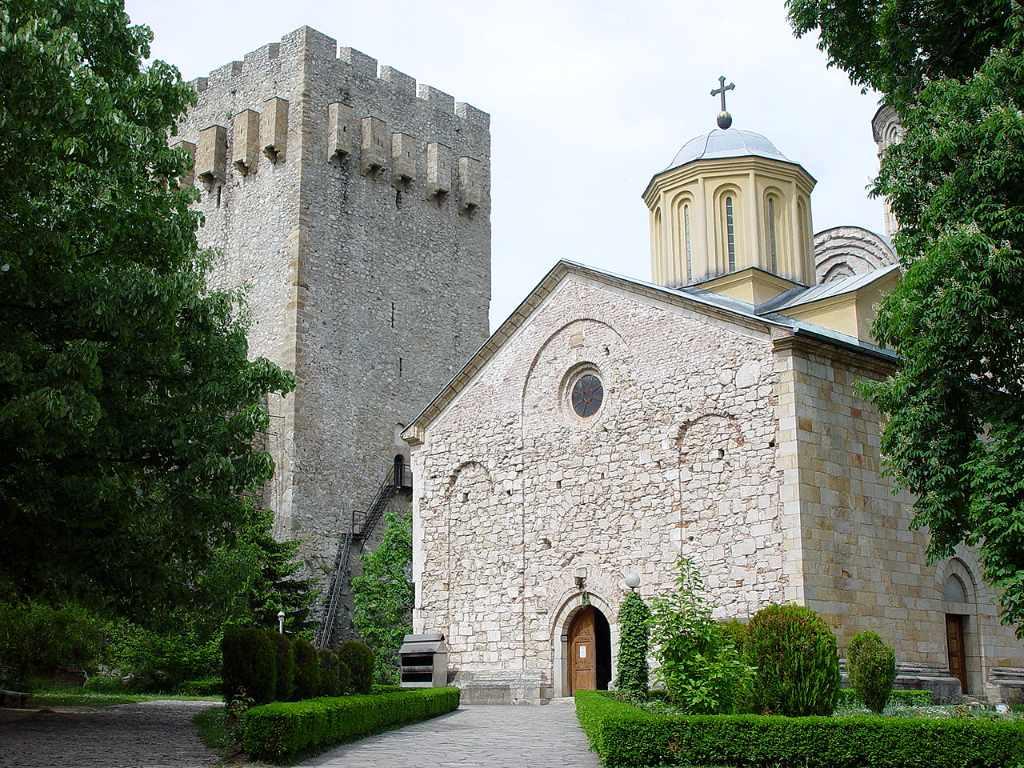
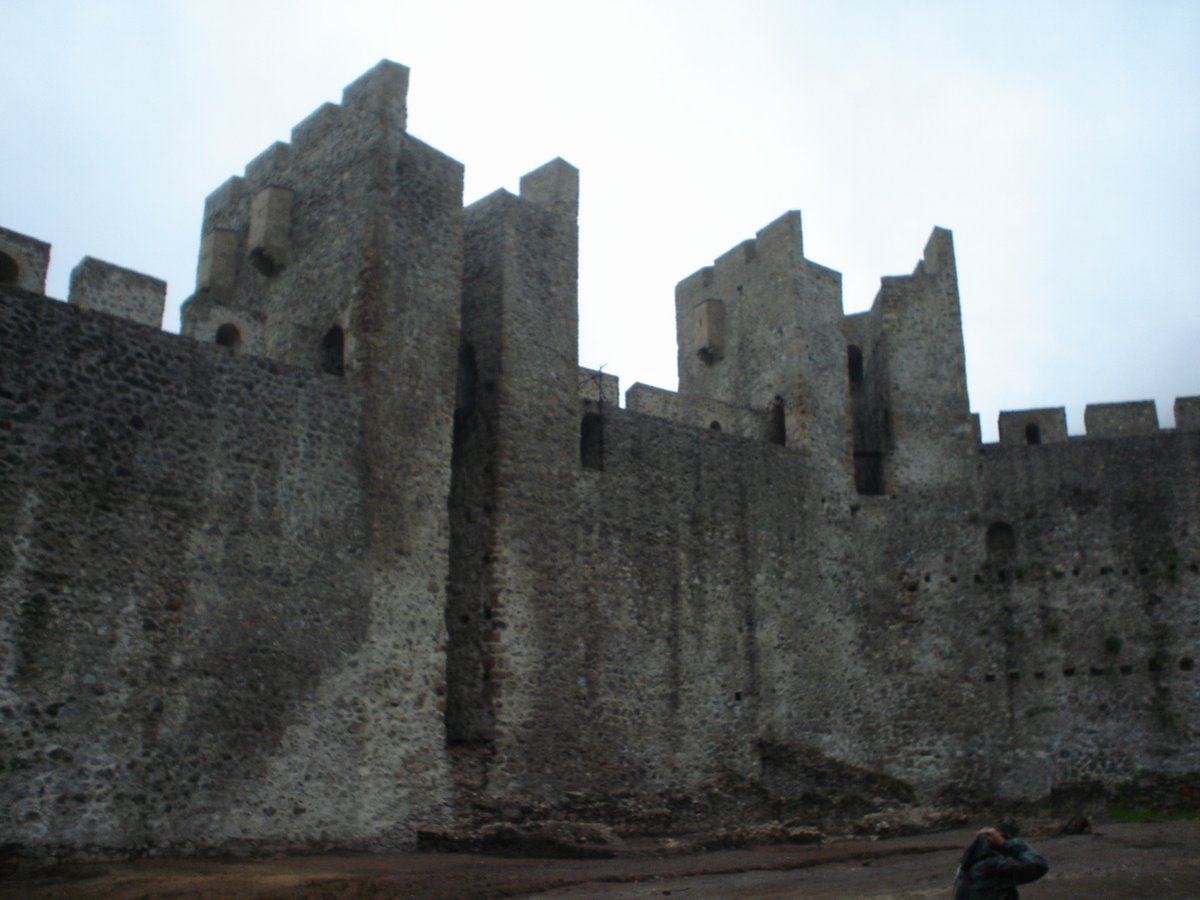
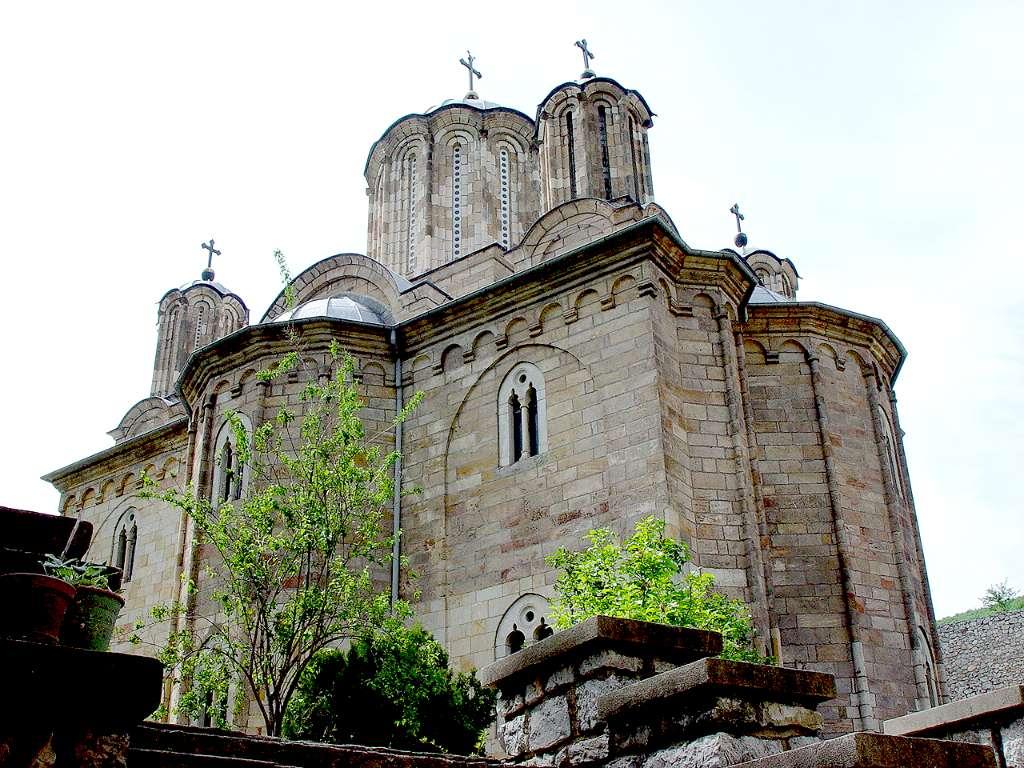
The monastery’s own homepage describes ramparts with twelve towers surrounding the Church of the Holy Trinity, the best known of them carrying the title Despot’s Tower. That count includes the Despot’s Tower itself rather than adding it on top of twelve. Walking the perimeter is the clearest way to take in how compact and defensive the layout is: this is a fortified monastery built to be held, not just admired.
What this page doesn’t describe
Manasija’s church interior holds a well-known cycle of medieval frescoes, discussed in general art-history terms in most accounts of the site. This guide’s own sources for this page do not include a dated, official description of the frescoes’ condition, extent or current display, so it does not describe them here beyond noting that they exist. If the interior decoration matters to your visit, treat it as something to see rather than something to plan around.
Why it’s protected at the highest level
Two official sources disagree on when the status was granted. The Republic Institute for the Protection of Cultural Monuments cites a 1979 decision as the legal basis, while Serbia’s public broadcaster reported in August 2024 that a session of the Council of Ministers had granted Manasija the exceptional-significance status. Whether the 2024 act renews the 1979 one or stands apart from it is not stated by either, so this page does not date the protection.
Manasija is registered in Serbia’s own list of immovable cultural property of exceptional significance, entered as “Manastir Manasija,” register number SK 140, on the legal basis of a decision published in the Official Gazette of SR Serbia. The Republic Institute for the Protection of Cultural Monuments names the Kragujevac regional institute, not Belgrade, as the office with territorial authority over the site. That distinction matters mainly if you ever need to contact the responsible institute directly, for example about a restoration question, rather than for planning an ordinary visit.
Exceptional-significance status is Serbia’s top tier of cultural protection, applied to a relatively short list of sites nationwide. It carries legal consequences for how the site can be altered or developed, but it does not, on its own, translate into a visitor infrastructure: no protection tier automatically produces a ticket office, a car park or a published timetable. Manasija’s status explains why the walls have survived intact; it does not explain, on its own, why so little about visiting hours has been published to go with them.
Getting there
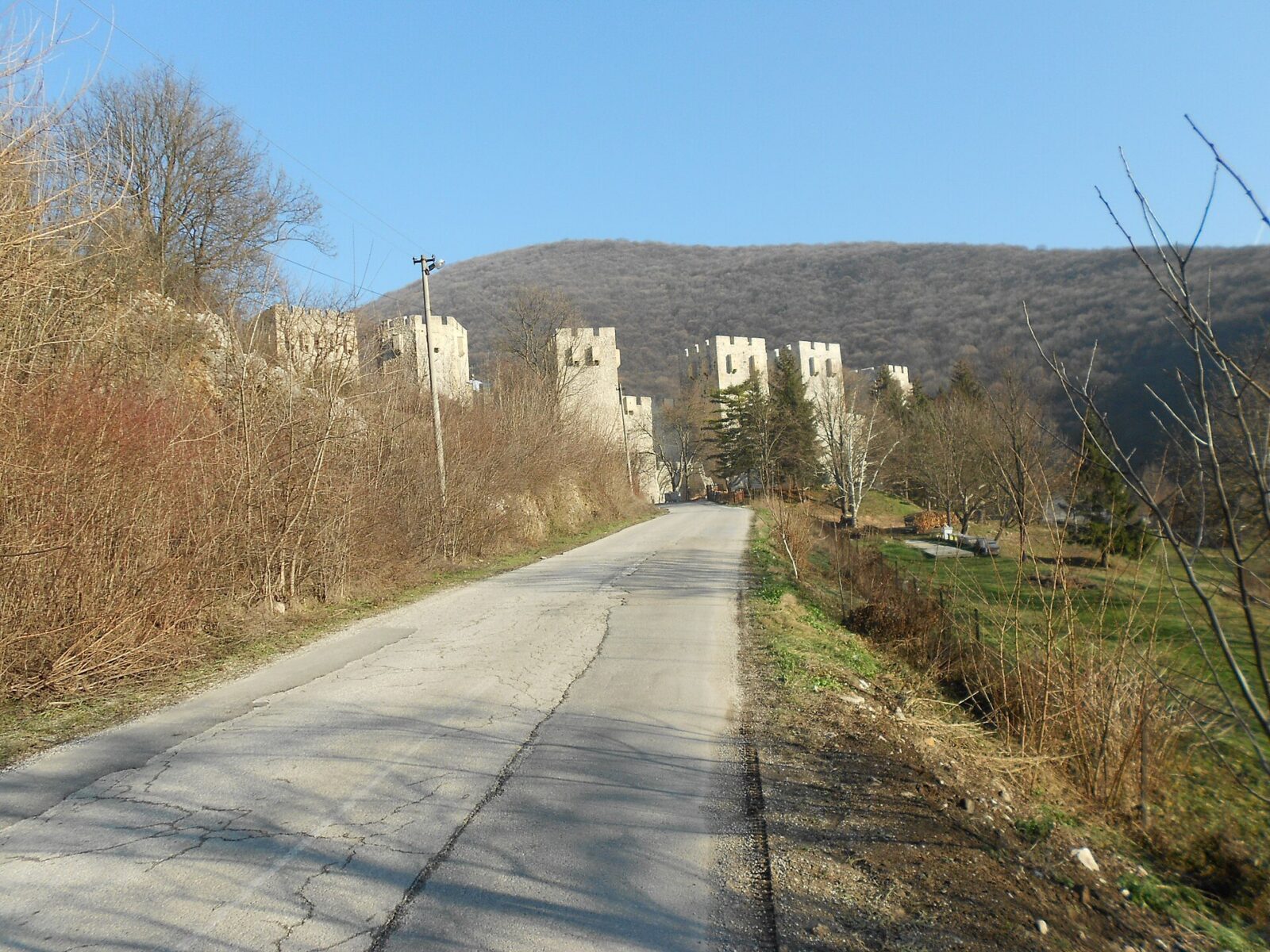
Manasija sits 2 km from Despotovac, a town in central Serbia reached by road rather than rail; no railway station serves Despotovac itself. Most visitors arrive by car, either as a stop on a longer central-Serbia route or paired with the region’s other sites. The monastery’s own materials describe the location relative to Despotovac and to the road toward Resavica, without giving a driving distance or time from Belgrade, so build your own routing rather than expecting one number to cover the whole trip.
By car
A car is the practical option for this stop, since it also opens up Resava Cave and the wider region without depending on a bus timetable. Despotovac sits off the main Belgrade-Nis motorway corridor in central Serbia, so plan the last stretch as a secondary road rather than a motorway exit straight to the monastery gate. A GPS unit or a phone map will get you to the monastery car park without difficulty; the last stretch is a marked local road rather than an unmapped track.
Without your own transport
Neither the monastery’s site nor the heritage register gives a bus connection to Manasija itself. Despotovac is reachable by intercity bus from larger towns in the region, but the last two kilometres to the monastery are not covered by any published public transport this guide could confirm, so budget for a taxi or a short walk from town if you are arriving without a car.
Pairing it with the rest of central Serbia
Despotovac is also the reference point for Resava Cave, a show cave 21 km away on the other side of the same town. Neither operator publishes the direct distance between the monastery and the cave, so treat them as two separate stops around Despotovac rather than a fixed short hop, and confirm your own route once you know which direction you are arriving from. Further south, Kragujevac anchors the same central-Serbia region if you want to build a longer stop out of the area rather than a single detour, and it is the more practical place to look for accommodation than Despotovac itself.
Visiting with a little courtesy
Manasija is an active monastery, not a museum, and the ordinary courtesies that apply to any working Orthodox monastery in Serbia apply here too: modest dress covering shoulders and knees, quiet voices inside the church, and no expectation of entering during a service without checking first. None of this is stated as a formal rule on the pages this guide checked, so treat it as customary practice rather than a documented requirement, and be ready to adjust if a monk or a sign on site asks for something different.
Weekday mornings are the quietest time to visit, going by the general pattern at monasteries of this size across central Serbia, since weekends and feast days draw more local visitors for services rather than sightseeing. That is a general observation about how this kind of site tends to run, not a schedule published by the monastery itself, so build in flexibility rather than planning around a specific quiet window.
Bring cash in dinars regardless of what the site says about entry being free. A donation box is standard at working Serbian monasteries, and small purchases, candles, printed guides, are rarely payable by card this far from a city centre. None of that is a fee to enter; it is simply the ordinary economy of a rural religious site that this page’s sources do not need to spell out for it to be true.
Common questions
Is entry to Manasija free?
The monastery’s own website says so, but that page is not dated, so this guide reports the claim rather than confirming it as current. Bring a little cash anyway, in case a donation box or a small fee applies that the page doesn’t mention.
What are the opening hours?
The monastery’s site states weekdays 08:00 to 19:00 and weekends and holidays 07:00 to 20:00. As with the admission policy, the page carries no date, so treat these as the current published claim rather than a guaranteed schedule, particularly if you are travelling outside the main season.
Do I need to book ahead for a group visit?
The monastery’s site recommends advance notice for group visits without stating it as a requirement. It gives no phone number or booking method on the page this guide checked, so an individual visitor should not expect to need to book anything in advance.
Is Manasija a UNESCO World Heritage Site?
Not yet. It sits on Serbia’s Tentative List, the step before a full nomination, following decades of research and protection work documented by the national heritage institute. No inscription on the full World Heritage List has happened as of this page.
Can I combine Manasija with Resava Cave in one trip?
Both sit within a short drive of Despotovac, on the same side of central Serbia, which makes them a natural pair for one day out. Neither site publishes the exact distance between them, so allow flexible time rather than a tight schedule between the two.
Nearby
Resava Cave sits on the other side of Despotovac and pairs naturally with a Manasija visit. Kragujevac is the nearest larger town for an overnight stay in the region, and Oplenac extends the same central-Serbia route further south. If you are driving yourself, read renting and driving a car in Serbia before you set out.