
Kragujevac spent much of the nineteenth century as Serbia’s capital, briefly took the role again during the First World War, and is remembered today above all for one week in October 1941. Those three layers sit on top of each other in an otherwise ordinary-looking central Serbian city, and knowing which one you’re looking at changes how a visit reads.
Most visitors come for the memorial park, and that’s a reasonable place to start planning. But Kragujevac also holds a national museum spread across several historic buildings in the centre, and moving between the two takes a bit of local knowledge, since this isn’t a city built around one obvious sightseeing route.
If you’re coming from Belgrade for the day, expect to spend most of your time choosing between the two collections rather than rushing both: the memorial park rewards a slow morning, and the National Museum’s scattered buildings reward an afternoon on foot in the centre. This page gives you what each one costs, when each keeps its doors open, and where the operator’s own pages leave a genuine gap rather than a settled answer.
The short version. The Sumarice Memorial Park commemorates the October 1941 mass shooting of several thousand civilians; its Museum 21st October costs 100 RSD for an individual visit with a multilingual audio guide, or 150 RSD for an organised visit with a custodian and a bus tour of the grounds. The museum’s Serbian-language hours page and its English mirror disagree, and this page follows the more recent Serbian one. The National Museum of Sumadija, spread across several historic buildings in the centre, charges an admission fee the museum doesn’t publish anywhere. Kragujevac is 140 km from Belgrade, about 1.5 hours by the Corridor X motorway.
On this page
What Sumarice commemorates
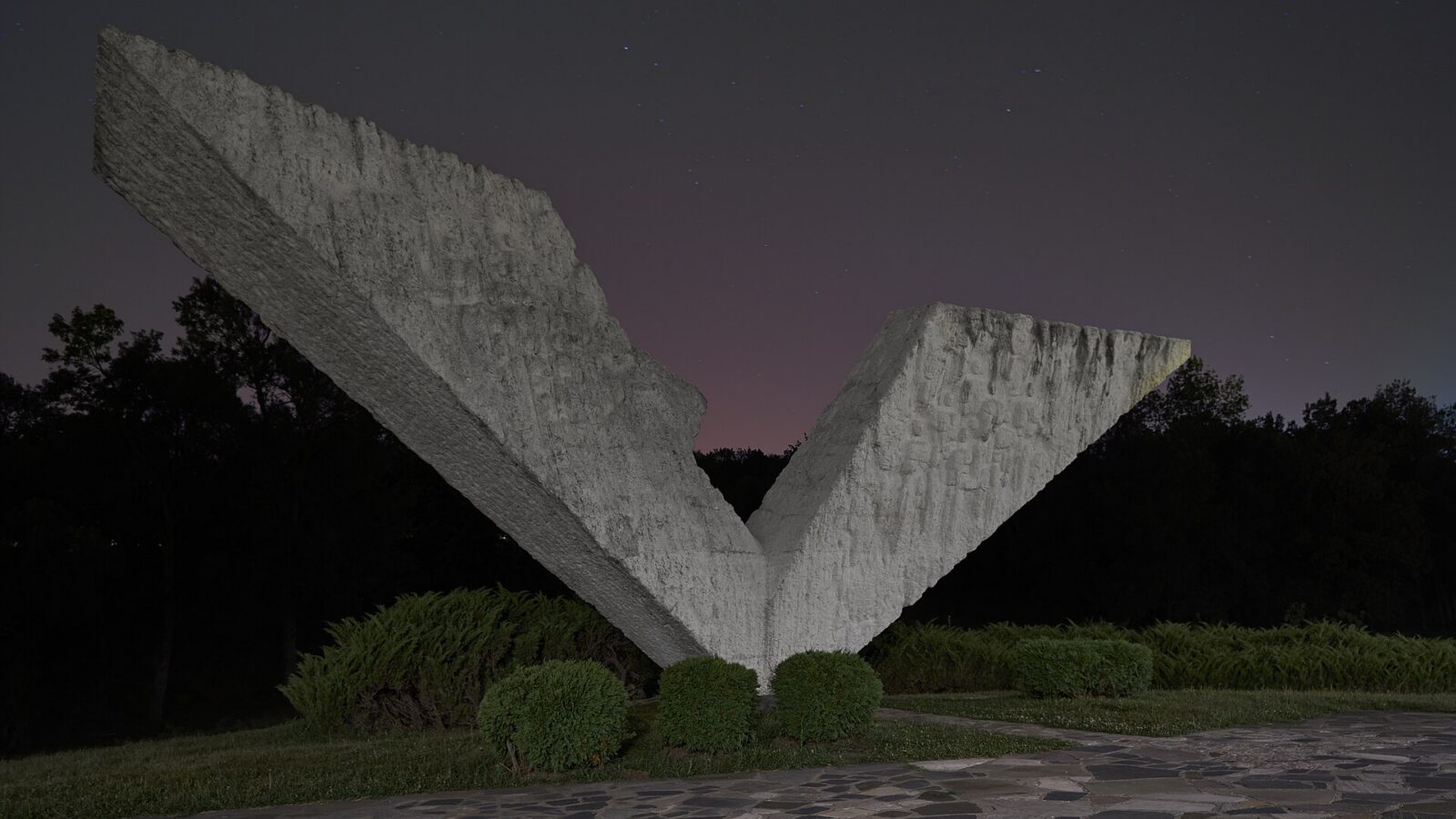
In October 1941, German occupation forces shot several thousand civilians of Kragujevac and the surrounding area, Serbs, Jews, Roma, Muslims, Slovenes and other nationalities, in reprisal for partisan and Chetnik attacks on German troops. General Franz Bohme’s reprisal order set the ratio at 100 civilians for every German soldier killed and 50 for every one wounded. Major Otto Desch ordered it carried out after German losses on the Kragujevac-Gornji Milanovac road between 14 and 16 October 1941. The Sumarice Memorial Park was founded in 1953 on the execution sites.
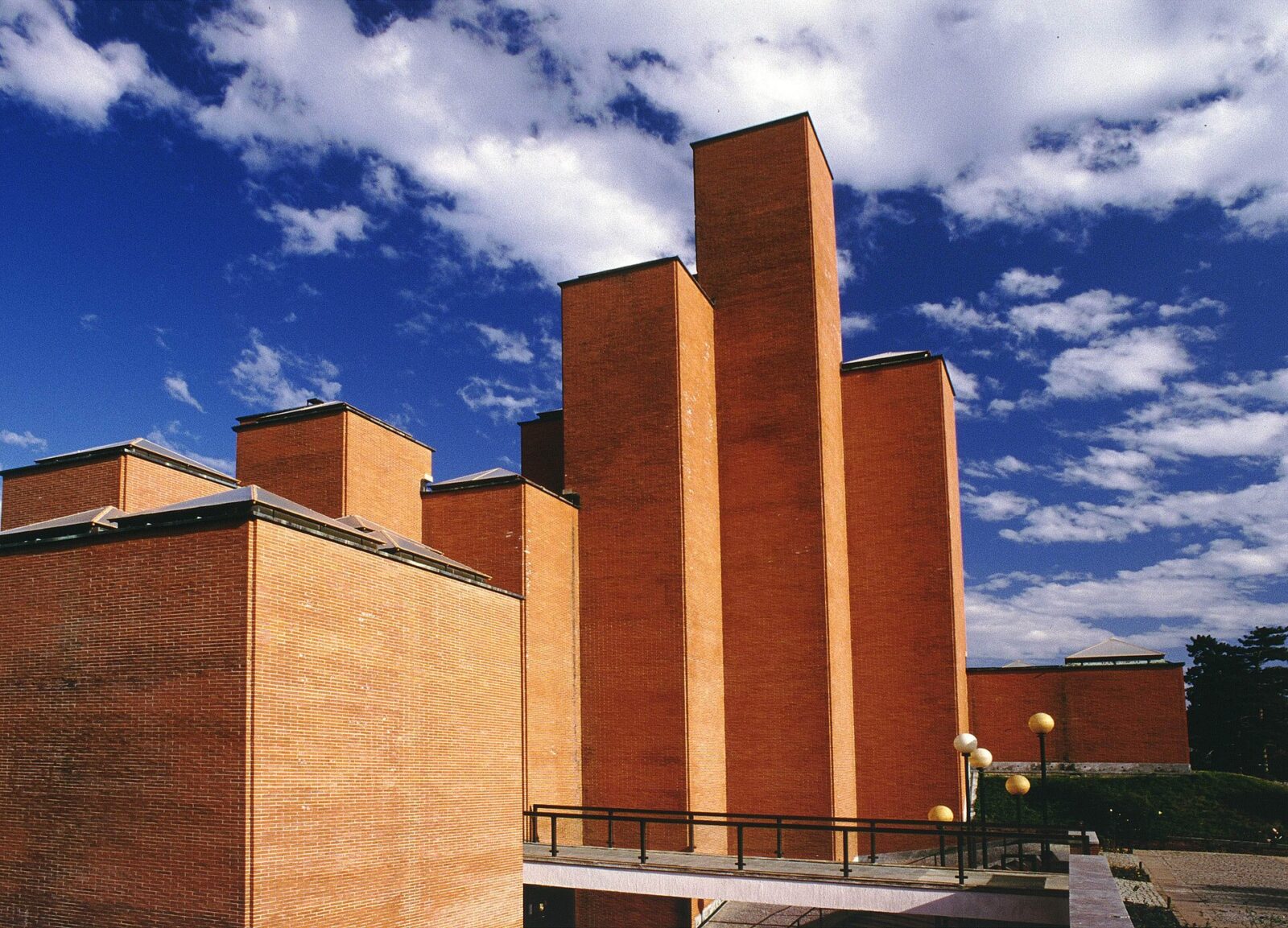
The Museum 21st October, inside the park, was designed by architects Ivan Antic and Ivanka Raspopovic, who also designed Belgrade’s Museum of Contemporary Art. It stands on a cross-shaped plan in red brick, across 33 windowless, doorless cubes topped with clear plexiglass domes, thirty for the mass graves inside the park and three for graves in nearby villages. Fundraising began in 1966 and construction ran from 1971 to 1975, largely paid for by workers at the Crvena Zastava plant, who donated two days’ wages a year until 1970. The museum opened on 15 February 1976.
What it costs to visit Sumarice
Tickets to the Museum 21st October come in two forms. An individual visit costs 100 RSD per person and includes an audio guide in Serbian and five foreign languages, though the ticket page doesn’t say which five. An organised visit costs 150 RSD per person and includes a custodian-guided tour of the museum’s permanent collection, followed by a panoramic bus tour of the memorial grounds. Both figures come from the operator’s Serbian-language ticket page and are matched exactly by its older English mirror, so unlike the hours below, these prices aren’t in dispute.
| Visit type | Price | What’s included |
|---|---|---|
| Individual visit | 100 RSD | Audio guide, Serbian plus five foreign languages |
| Organised visit | 150 RSD | Custodian-guided museum tour and bus tour of the memorial grounds |
Organised visits are booked by phone on +381 34 335 607, by fax on +381 34 336 112, or by emailing [email protected]. If you’re travelling alone or as a couple, the individual ticket gets you into the museum and its collection on your own schedule; book the organised visit instead if you want the custodian’s commentary and the bus tour of the wider grounds, which the individual ticket doesn’t include.
When the memorial park is open
The memorial’s operator publishes two different hour grids for the same buildings, on two different pages of its own site, and they disagree enough to matter.
Two pages, two schedules. The Serbian-language hours page was last modified in March 2025. The English mirror was last touched in June 2022, nearly three years earlier, and gives a different split of the week. Neither page explains the gap. This page treats the Serbian version as current, since it’s both the more recent and the one linked from the operator’s own visitor menu.
The Museum 21st October’s hours
From 1 November to 14 April, the museum opens Monday to Friday 08:00 to 16:00, and Saturday, Sunday and public holidays 09:00 to 16:00. From 15 April to 31 October, it opens Monday to Saturday 08:00 to 18:00, and Sunday and public holidays 09:00 to 16:00. It’s closed on 1 and 7 January. The English mirror gives a simpler and different grid, a flat 08:00 to 15:00 with a longer window in parts of spring and autumn, which is why this page relies on the newer Serbian version instead.
The Balkan Bridges gallery’s hours
The park’s small city gallery, Balkan Bridges, keeps its own hours: Monday to Friday 13:00 to 20:00, closed Saturday and Sunday, per the same current Serbian page. Its English mirror again disagrees, listing different weekday hours and a Saturday opening that the Serbian page rules out entirely. The gallery is a minor stop next to the museum, so the stakes of the mismatch are lower, but the same rule applies: trust the Serbian page. Either way, if you’re planning a visit around a specific day of the week, it’s worth confirming the current hours with the operator directly rather than relying on either page alone.
Getting to the memorial once you’re in Kragujevac
The operator describes two ways in. If you’re driving, you can go directly to the museum building, where a car and coach park in front accommodates a large number of vehicles and buses. If you’re relying on public transport, you can take a city bus to Veliki Park, the Great Park, though the operator doesn’t name a specific line or give a walking distance from that stop to the museum, so budget extra time on foot rather than assuming a short walk. Tourist road signage marks the direction to the memorial from Kragujevac’s main approach roads, which helps if you’re arriving by car without a fixed address to navigate to.
What the National Museum of Sumadija shows
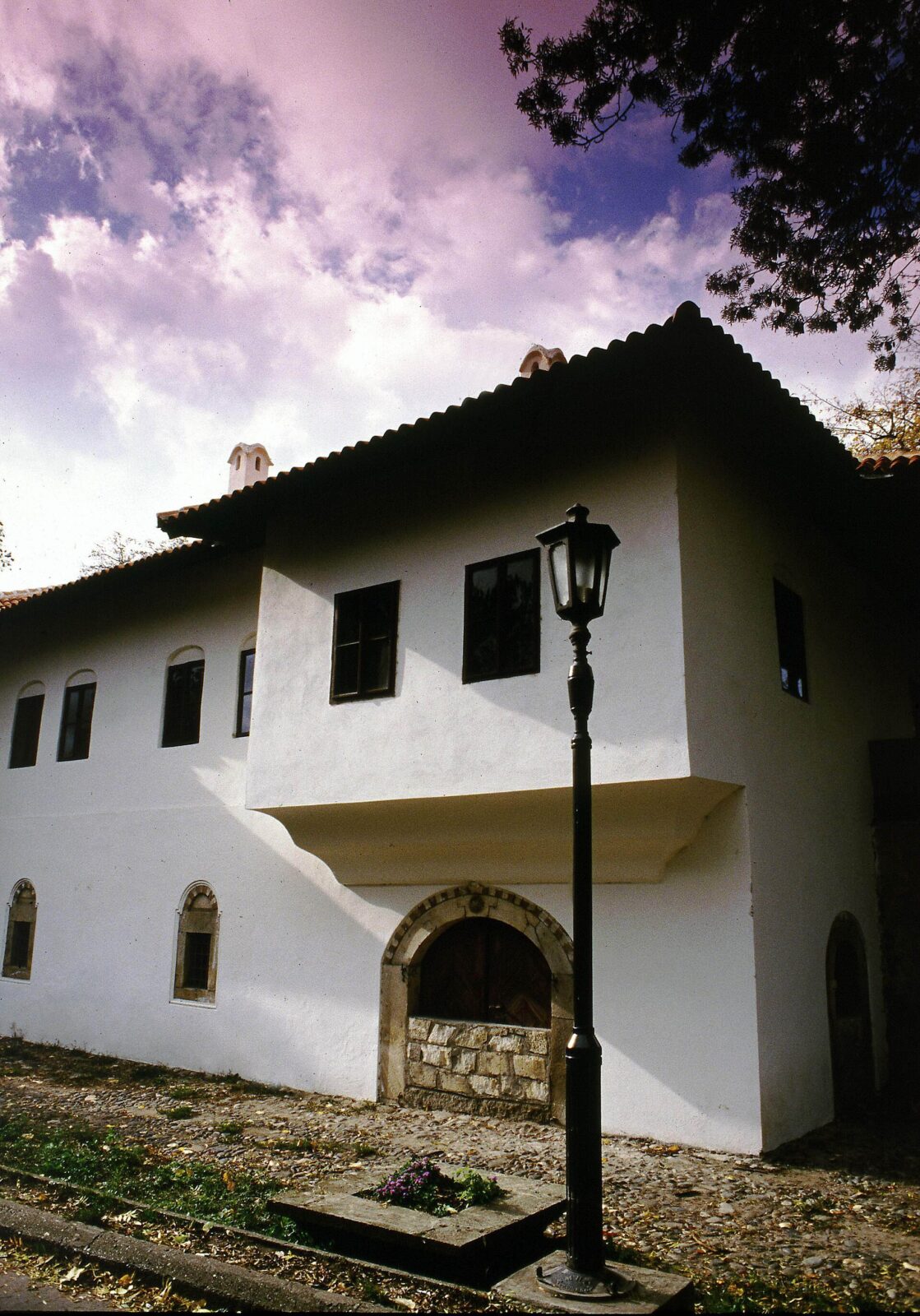
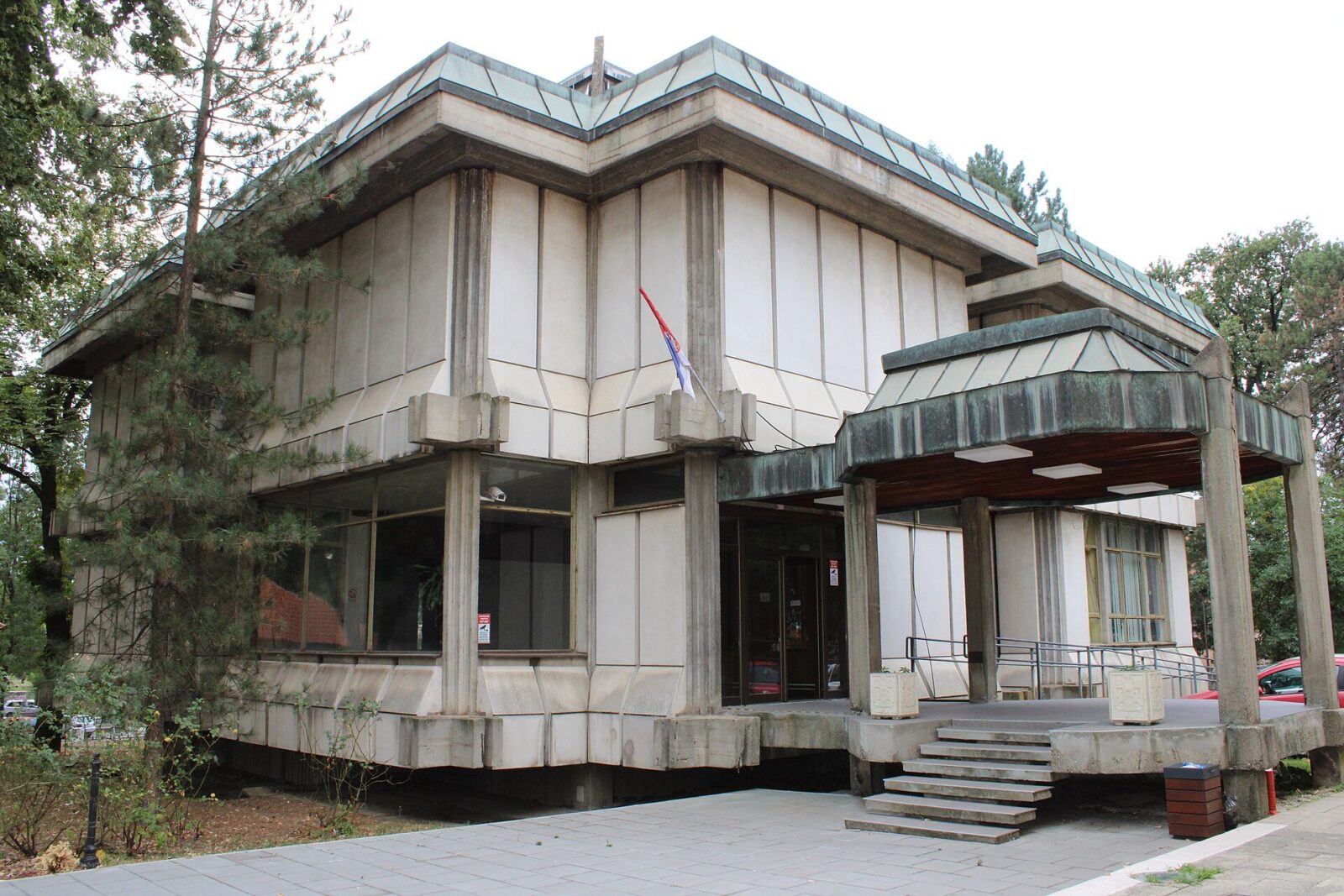
Kragujevac’s other major collection is the National Museum of Sumadija, founded in 1949 on a picture collection Prince Milos Obrenovic began assembling in 1823. Rather than one building, it operates across several historic properties: Amidza’s Konak, Prince Mihailo’s Konak, the Art Gallery, the house of Ljubica Filipovic, the house of archpriest Miloje Barjaktarovic, and memorial houses in Duleni and Grosnica. Its departments cover archaeology, ethnography, the history of Kragujevac and Sumadija, and fine art, and its main address is Vuka Karadzica 1.
If you’re only in town for a few hours, the three city-centre venues below are the ones worth prioritising; the memorial houses in Duleni and Grosnica sit outside Kragujevac itself and need their own trip.
What the National Museum costs, and when it’s open
The three main city-centre venues, the Art Gallery, Prince Mihailo’s Konak and Amidza’s Konak, open Tuesday to Friday 10:00 to 17:00 and Saturday 10:00 to 15:00, closed Sunday and Monday. Unlike the Sumarice hours above, this figure isn’t in dispute: the museum’s own contact page and the tourist office’s separate listing state it identically.
What a ticket costs is not published anywhere we checked. The tourist office states only that admission is paid, without naming a figure, and the museum’s own site names no price on any page describing its buildings or its visitor services. This page isn’t guessing a number or claiming free entry. If the cost matters to your plans, ask at the venue or call ahead.
Getting to Kragujevac from Belgrade
Kragujevac sits 140 km from Belgrade by the international Corridor X motorway, about 1.5 hours’ drive, according to the tourist office’s own position page.
By road, there are two state routes from Belgrade: IB-class road 15 via Batocina, or IB-class road 16 via Mladenovac and Topola. If you’re taking the bus, the tourist office describes departures roughly every half hour on either route, run by SP Lasta’s Kragujevac branch; once you arrive, the bus station sits about a kilometre from downtown, a 10 to 15 minute walk, or you can catch city buses 4, 6G or 6V the rest of the way. If you’re coming by train instead, know that Kragujevac lies off Serbia’s main rail lines and sees fewer services; the railway station stands next to the bus station, about a 15-minute walk from the centre, so the two options land you in roughly the same place regardless of which you choose.
One figure worth double-checking. The half-hourly bus frequency comes from a tourist office page last updated in December 2020, nearly six years old at the time of writing. Road classifications and station locations don’t change quickly; a bus timetable can. Confirm the current schedule with the carrier before building a plan around “every half hour.”
How Kragujevac became Serbia’s capital, twice
The two capital episodes are separate stories, decades apart, and it’s worth keeping them apart rather than treating “Kragujevac was once Serbia’s capital” as a single fact. One is a formal, permanent declaration from the early nineteenth century. The other is a temporary wartime relocation, forced by circumstance rather than chosen for governance.
1818: declared at Vracevsnica
On 6 May 1818, at an assembly of the people’s provosts held at Vracevsnica monastery, Prince Milos Obrenovic declared Kragujevac the capital of the Principality of Serbia. Over the following decades it grew into the country’s administrative, political, cultural, health, military and industrial centre, before the capital moved to Belgrade in 1841.
The wartime seat
During the First World War, Kragujevac briefly served as Serbia’s capital again. Regent Aleksandar Karadjordjevic was based there, the city hosted the Serbian Army High Command under Field Marshal Radomir Putnik, and the plans for the battles of Cer and Kolubara were drawn up there.
Common questions
Is the museum’s audio guide available in English?
Yes. The individual-visit ticket includes an audio guide in Serbian and five other languages, per the operator’s own ticket page, though it doesn’t specify which five.
Can I walk around the memorial grounds without a ticket?
Not established from what we checked. The operator’s ticket page prices the guided museum visit and the bus tour of the grounds, but doesn’t say whether the outdoor memorial sites can be reached independently without either ticket.
Does the National Museum share a ticket with Sumarice?
No indication of that anywhere checked. They’re run by two separate operators, the memorial park’s own management and the National Museum of Sumadija, each with its own pricing and hours.
Can I combine Kragujevac with a visit to Oplenac?
Reasonably, yes. The same state road that reaches Kragujevac from Belgrade via Mladenovac also passes through Topola, home to the Oplenac mausoleum, so the two can sit on the same day’s driving.
Why do the English and Serbian hours pages disagree?
The operator’s site doesn’t say. The two pages were last updated nearly three years apart, and nothing links them or flags one as superseding the other. This page treats the more recent, canonically linked Serbian page as current.
Is there anywhere to eat near the memorial park?
Not something either the memorial’s own site or the tourist office’s pages address; both describe the historical site and its buildings, not the surrounding streets. If a meal near the park matters to your plans, that’s worth checking locally rather than assuming options either way.
Nearby
Kragujevac anchors a small cluster of central Serbian sites. Oplenac, the royal mausoleum at Topola, sits on the same road corridor from Belgrade. Manasija monastery and Resava Cave lie further east, in the same region. For Serbia’s spa country, Vrnjacka Banja is reachable on the same Belgrade-Batocina road. For budgeting the trip, see our guide to Serbian dinars, cards and costs.