
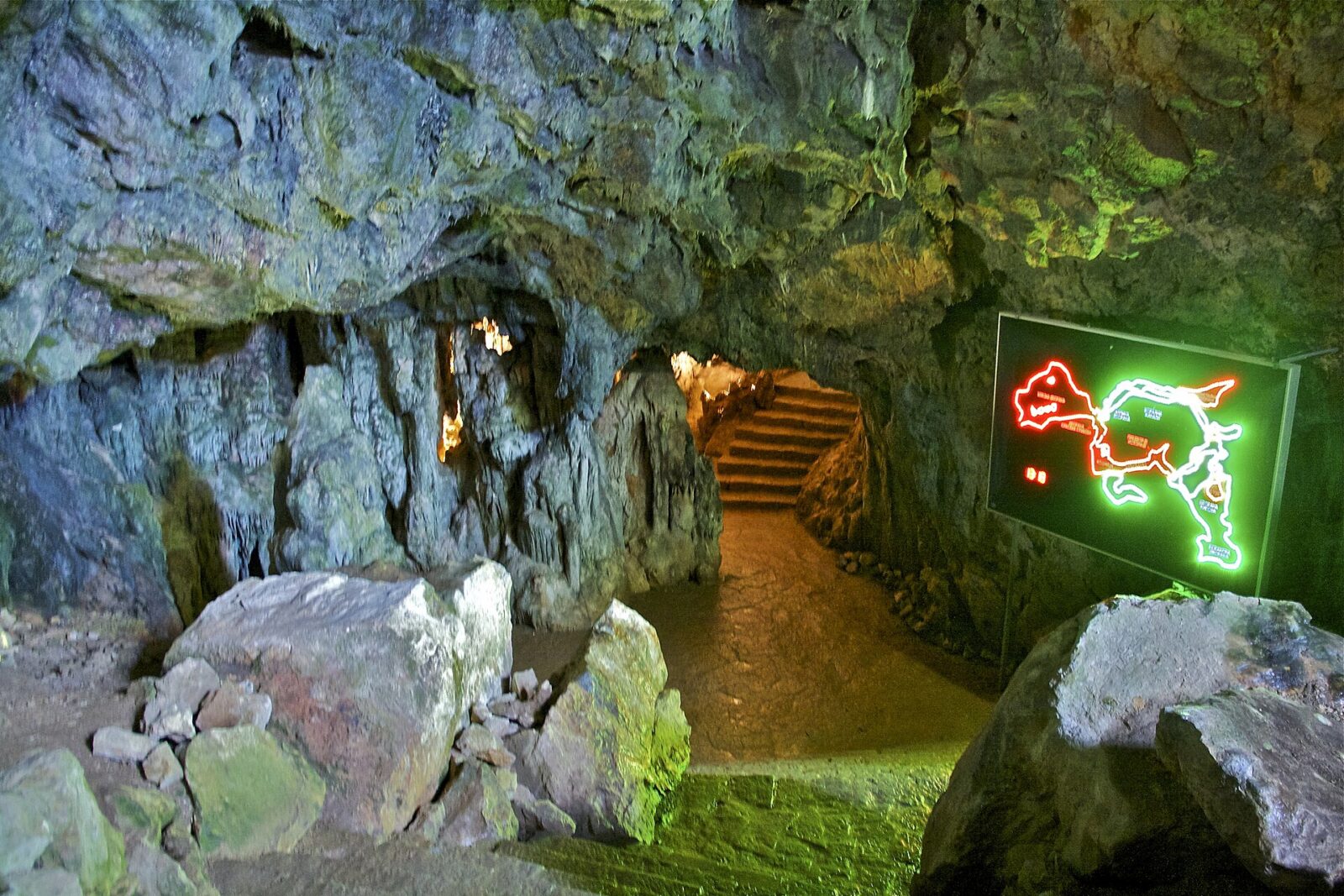
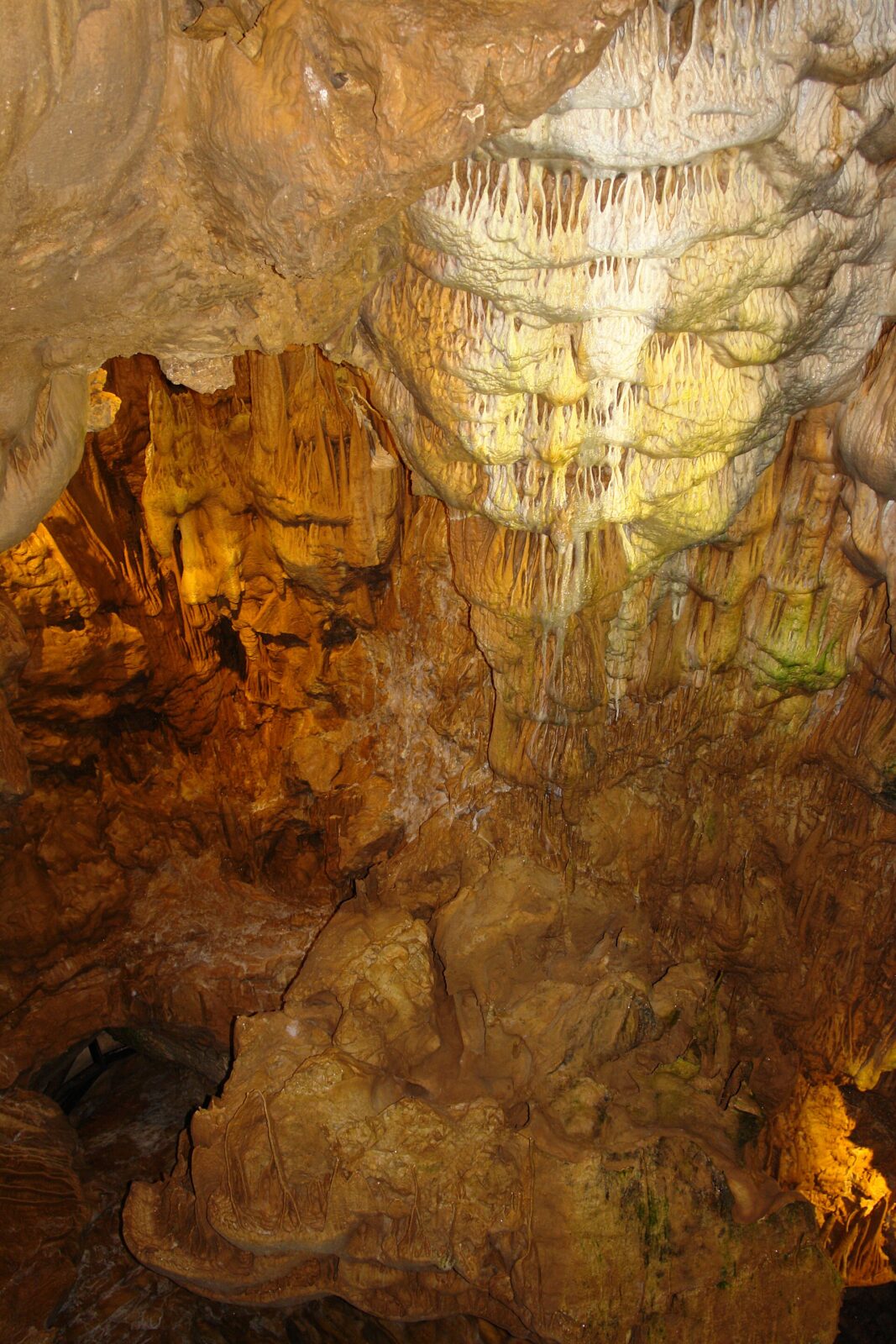
Resava Cave sits on the north-western slopes of Juzni Kucaj, in the cadastral area of Jelovac village, 21 km from Despotovac and 152 km from Belgrade. It was originally named Divljakovacka pecina and is protected as a Category I natural monument, run since 1994 by a public enterprise the Despotovac municipal assembly created for exactly that purpose. This is limestone country, the kind of terrain that produces caves rather than the flat farmland you cross to reach it from the Belgrade direction, and the cave is one of several developed show caves scattered through this part of central Serbia.
What the operator’s own website does not carry is a date. Every page on its single-site build is undated, which means the ticket price, the summer hours and even the road-access notice it currently publishes cannot be treated as confirmed the way a dated official page would be. This guide passes on what the site states, clearly marked as unconfirmed, rather than presenting it as settled.
None of that makes Resava Cave a bad stop. Show caves with a single small operator are common in rural Serbia, and this one has run continuously since the 1990s under the same public enterprise. It just means you should treat this page, and the operator’s own site, as your starting point for planning rather than a fixed reference you can rely on months later without checking again. A phone call closer to your travel date costs little and settles most of what this page can’t confirm from the page text alone.
The short version. Resava Cave is 152 km from Belgrade and 21 km from Despotovac, on the road via Stenjevac rather than Resavica, which the operator’s own notice describes as impassable for cars. The operator’s site states a 700-dinar adult ticket and summer hours of 09:00 to 17:00 with guided entries every 45 minutes, but the page carries no date, so call ahead to confirm before you plan around those figures. No winter schedule is published at all.
On this page
What a visit costs and when it’s open
The operator’s own site lists prices and a summer schedule. Neither page carries a publication date, a Last-Modified header, or any other dating signal, so treat the numbers below as the site’s current claim rather than a confirmed, stable tariff. This matters more here than at a site run by a national institution, since a single small municipal enterprise with one website has fewer resources to keep every page current, and no independent second source exists to cross-check it against.
As stated by the operator, undated. Adult ticket: 700 RSD. Student ticket: 650 RSD. Children under 7: 50 RSD. No group, family, pensioner or disability rate is published. Summer opening hours run 09:00 to 17:00, with the first guided entry at 09:30, further entries every 45 minutes, and the last regular guided entry at 16:30; two additional entries, at 17:30 and 18:30, are possible only with a nature ranger escorting the group. Every entry described on the page is guided; nothing suggests a self-guided or free-roaming option. No winter timetable is published anywhere on the site, so treat the cave as unconfirmed outside the summer season and call ahead: reception is on 035/81-500-59, the office on 035/611-110.
What you’ll see underground
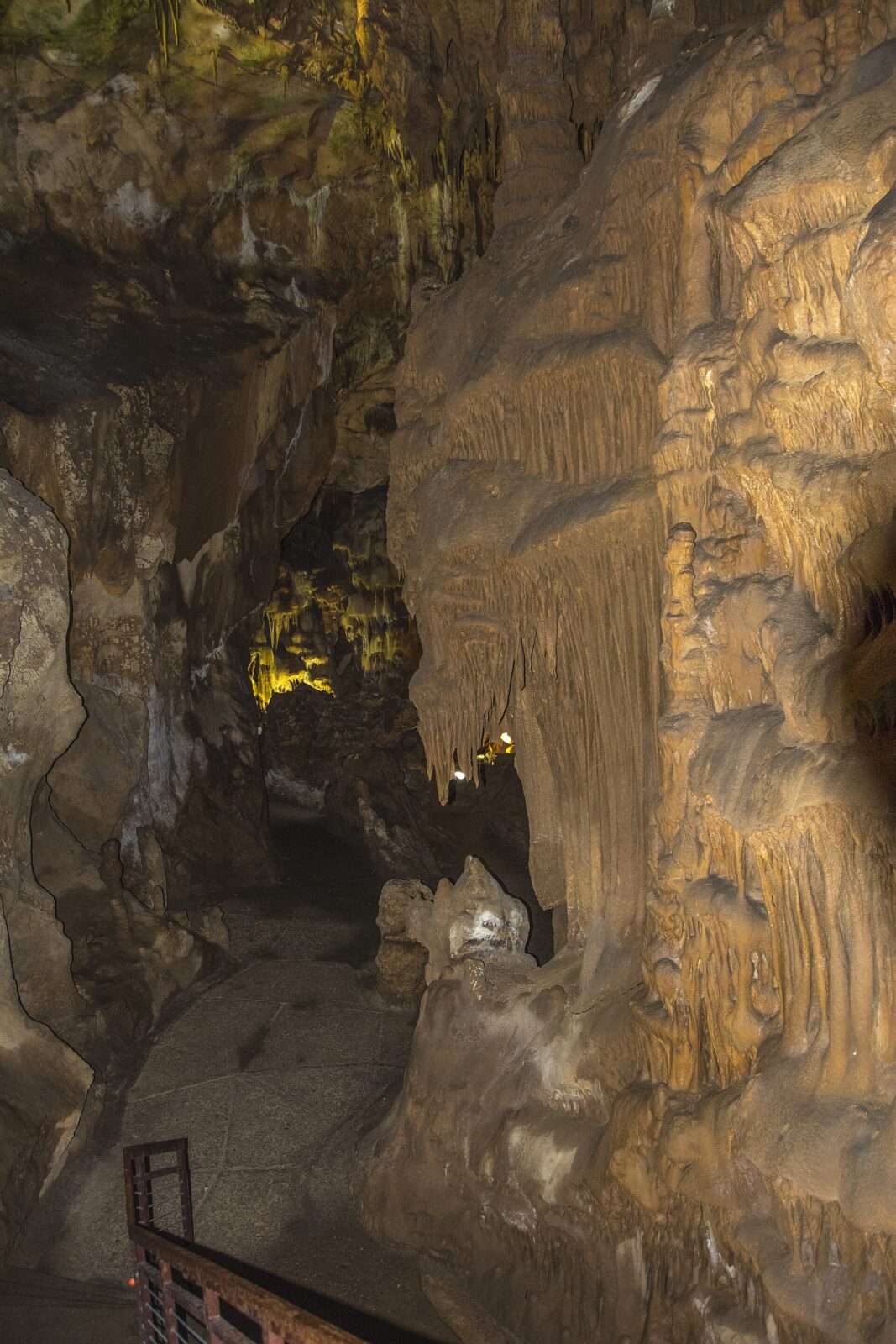
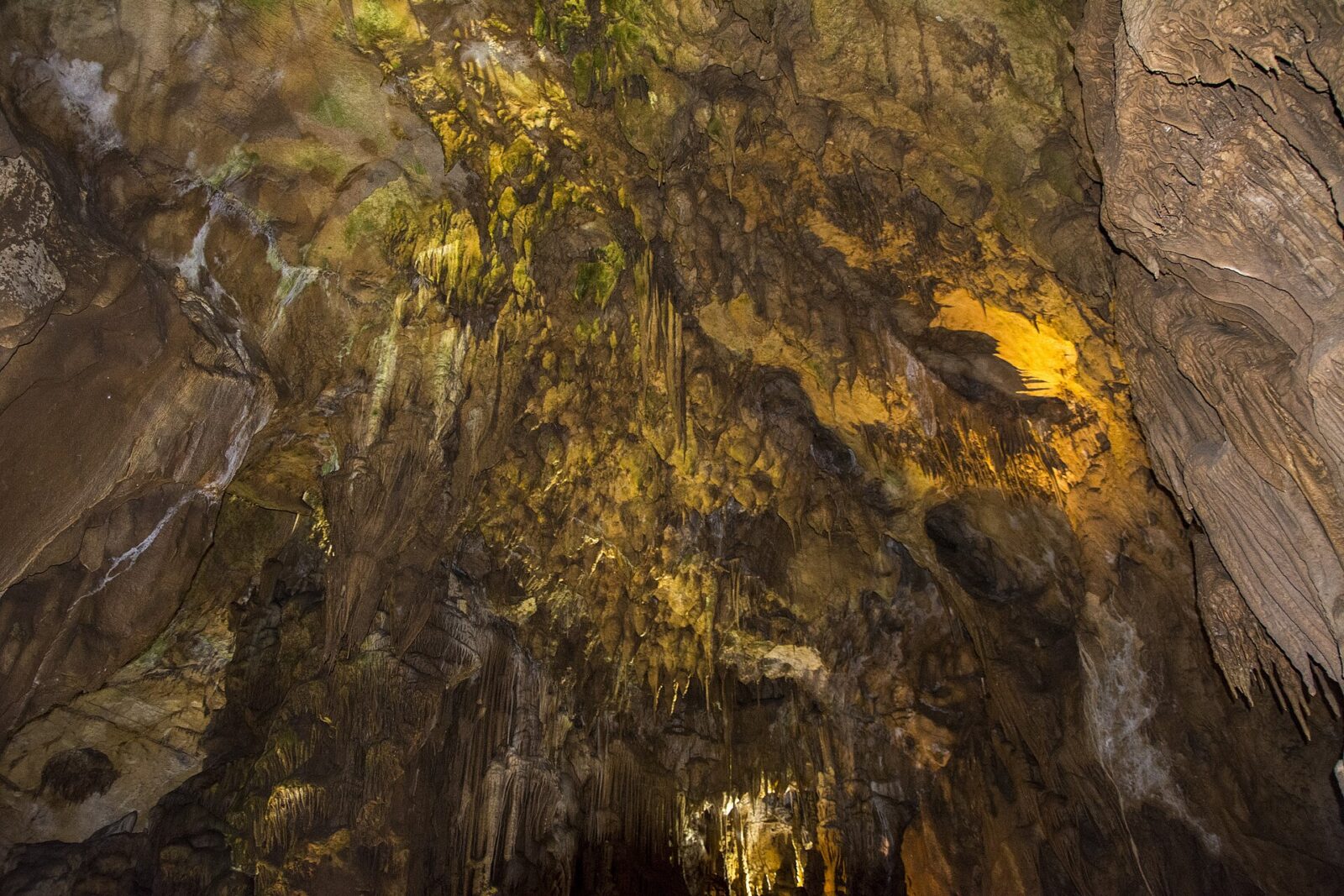
The tour is guided throughout, following a lit route through a limestone cave system. The operator’s site names two chambers on the standard visit without stating how far the developed route runs, how long the tour actually takes, or what temperature to expect inside. A gap of 45 minutes between successive guided entries is a departure interval, not a stated tour length, so do not assume the visit itself runs that long.
The two named chambers
The operator names two stops on the standard route, the Crystal Hall and the Muddy Hall, which is as far as its own descriptive text goes. Neither is described in more detail on the operator’s page, so this guide does not add texture that isn’t there. Expect a guide leading the group through a lit limestone passage, in the pattern of most developed show caves in the region, rather than a self-directed exploration. Beyond the two names, the operator’s own text doesn’t elaborate on what distinguishes one chamber from the other, so this guide doesn’t guess at it either.
What the operator doesn’t describe
The operator does not publish the length of the lit route, the total surveyed length of the cave, the duration of the guided visit, or the interior temperature. Most Serbian show caves run a stable temperature in the low-to-mid teens Celsius, but that is general background, not a figure this operator publishes, so it is not stated as this cave’s own reading. Bring a light jacket regardless of the season outside, since underground temperatures in any cave stay well below a Serbian summer’s surface heat even without an exact figure to quote.
Getting there
The operator’s own site gives the cave’s location as 21 km from Despotovac and 152 km from Belgrade, without naming a specific route or a drive time for either leg, and without listing a bus or train connection of its own. Most visitors drive, since Despotovac itself has no railway station.
By car
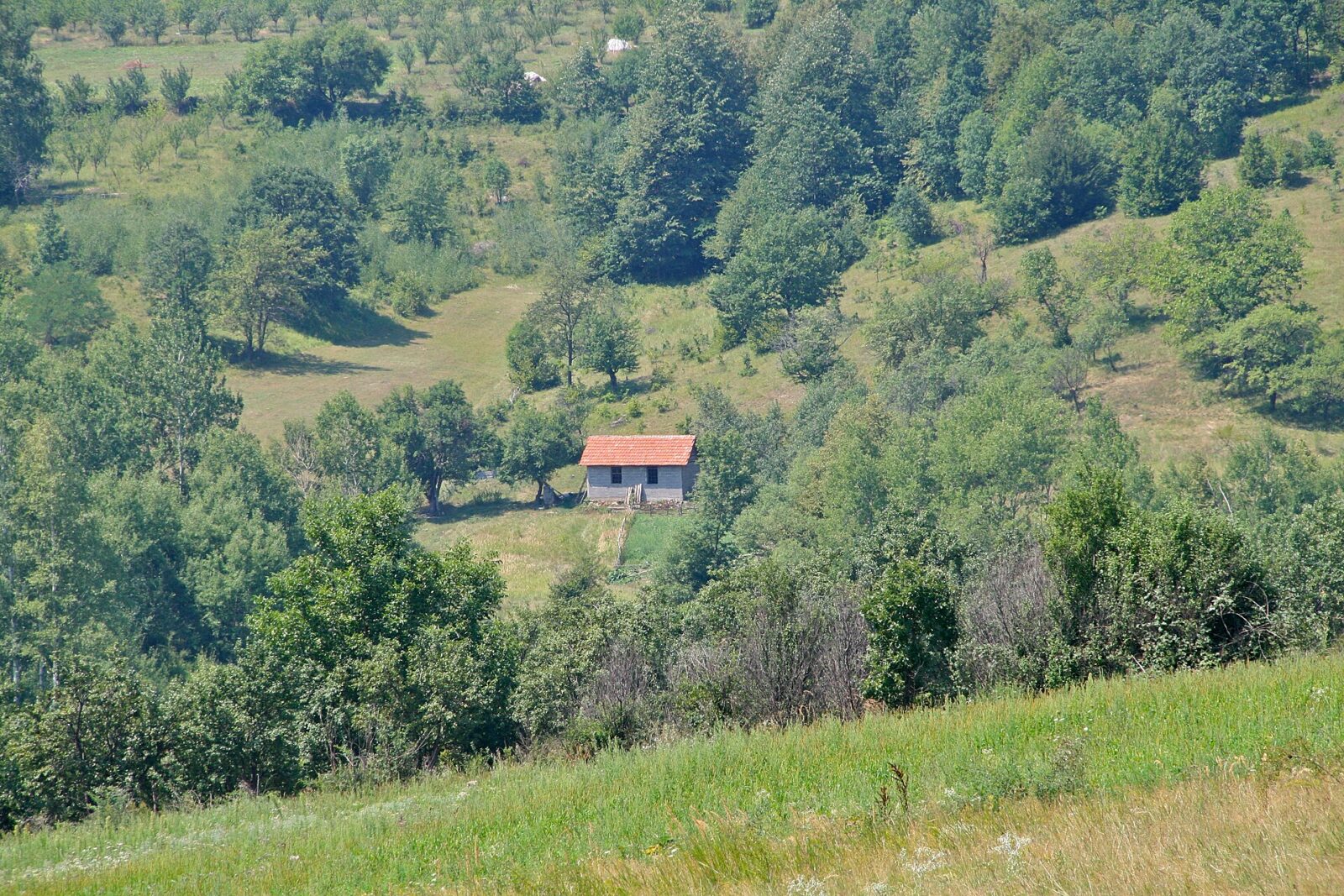
Set your route to Despotovac first, then follow local signage the final 21 km to the cave itself, checking the road notice below before you commit to a specific approach. This is rural central Serbia, so expect two-lane roads through villages rather than motorway driving for most of the trip once you leave the main corridor. The operator’s site says nothing about fuel, food or other services along that last stretch, so treat Despotovac as your last confirmed stop for anything you might need before the final approach.
Without your own transport
The operator’s site names no bus or organised transport option of its own, and this guide found no separate coach service specific to the cave. If you don’t have a car, ask locally in Despotovac about a taxi for the final stretch, and confirm a return pick-up time before you go underground, since the site sits well outside town. A day trip organised through a tour operator based in Belgrade is another option worth checking, though this guide did not verify any specific operator’s itinerary or price for that kind of arrangement.
One road in is currently marked impassable. The operator’s own visitor notice states that the road via Resavica is not passable for passenger vehicles, and directs visitors to the alternative route via Stenjevac instead. That notice carries no date, so there is no way to tell from the page alone whether the road has since reopened or whether a new problem has replaced it. Confirm current road access when you call ahead, rather than routing yourself via Stenjevac purely on the strength of this undated notice.
Why it’s protected, and who runs it
Resava Cave was originally named Divljakovacka pecina and is protected as a Category I natural monument. It has been managed since 1994 by a public enterprise the Despotovac municipal assembly created, first under the name “Vinatovaca” and renamed “Resavska pecina” Despotovac in 2000. A 1995 decree gave that enterprise responsibility for two natural monuments, “Resavska pecina” and “Lisine,” and since 2019 it has also carried the municipality’s tourism-development and promotion duties. That single-enterprise structure is also why the cave’s own website is the only place to check current conditions: there is no separate national park or museum authority publishing its own version of the same information.
A sister site: Lisine
The same enterprise that runs Resava Cave also manages the Lisine natural monument under the same 1995 decree. This guide’s collection for this page did not extend to Lisine’s own visiting details, so it isn’t covered here, but the shared management is worth knowing if you are already dealing with this operator and want to ask about both sites in the same call. If you’re planning to spend a full day in this part of central Serbia rather than a single stop, mentioning both when you call reception is a reasonable way to find out whether a combined visit makes sense on your dates.
What to bring
Sturdy, closed shoes matter more here than at most Serbian sites, since a show cave means steps, uneven surfaces and the possibility of damp or slippery patches on a guided route the operator does not describe in detail. A light jacket earns its place for the reasons already covered, and cash in dinars is the safer assumption given a rural single-operator site with no confirmed card-payment information published anywhere this guide checked.
A torch or phone light is worth having as a backup rather than a necessity, since a guided tour on a lit route should not require your own light source, but rural Serbian infrastructure occasionally has a gap the operator does not advertise in advance. It costs nothing to carry one and saves an awkward moment if a section of lighting is out on the day you visit.
Pairing it with Manasija
Manasija monastery sits 2 km from the other side of Despotovac, which makes the two a natural pair for one day in central Serbia. Neither site publishes the direct driving distance between them, so treat this as two stops around the same town rather than a fixed short hop, and check your own route once you know your direction of travel.
Doing both in one day works best if you settle the cave’s timed guided entry first, since it runs on a schedule the monastery does not, and then let the monastery visit fill whatever time is left around it. Neither operator coordinates with the other, so treat the pairing as your own itinerary rather than a packaged route either one publishes. Allow more driving time than the raw kilometres suggest, since these are rural roads rather than a motorway link.
Common questions
Do I need to book a ticket in advance?
The operator’s site does not state a booking requirement one way or the other. Given that every entry is guided and runs on a timed schedule, calling reception ahead (035/81-500-59) is the safer approach, especially if you are travelling with a group.
Is the cave open in winter?
Not published. The operator’s site carries only a summer schedule, headed explicitly as such, with no corresponding winter timetable anywhere on the site. Call ahead if you are planning a visit outside the warmer months.
Can I drive there without checking the road first?
Not advisable. The operator’s own undated notice says the road via Resavica is impassable for cars and points visitors toward Stenjevac instead. Confirm current road status when you call, since the notice itself carries no date.
How long does the guided visit last?
Not stated by the operator anywhere on its site. Guided entries depart every 45 minutes, but that is a departure interval, not a published tour length, so don’t assume the visit itself runs exactly 45 minutes. Build a generous margin either side of it into your day’s schedule rather than treating it as a fixed slot.
Is the cave suitable for a pushchair or limited mobility?
The operator does not publish accessibility information. Show caves typically involve steps, uneven or damp surfaces and confined passages, so contact the operator directly before planning a visit if this matters to you, and ask specifically about the route rather than assuming a general answer covers your situation.
Nearby
Manasija monastery sits on the other side of Despotovac and is the natural pairing for a day out here. Kragujevac is the nearest larger town if you want a base for the region rather than a single detour. If you are driving yourself, renting and driving a car in Serbia covers the conditions and paperwork before you set out, and Serbia travel budget covers dinars, cards and cash withdrawals for a rural stop like this one, where you’re less likely to find a card reader than in Belgrade or Novi Sad.