
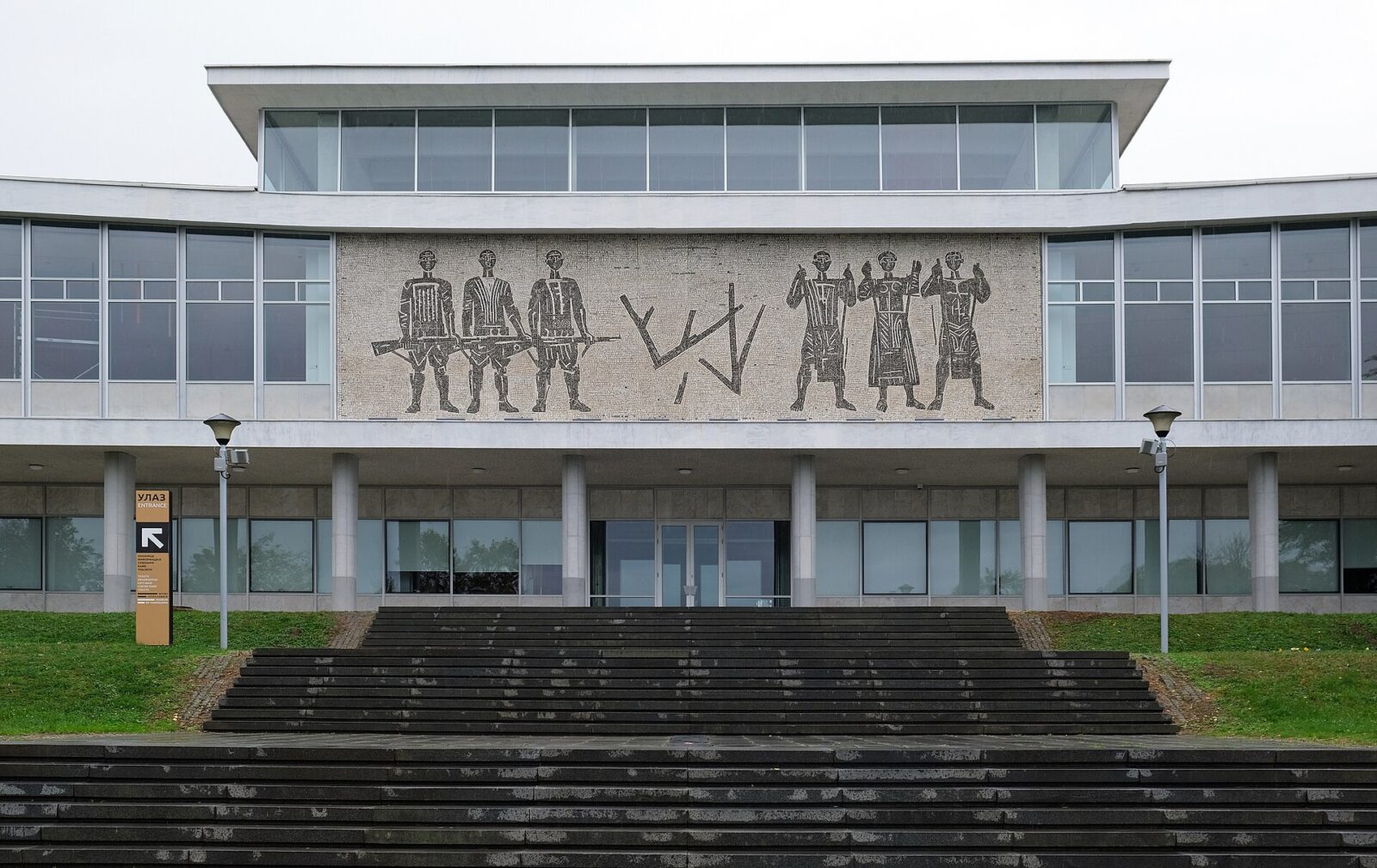
One ticket at the Museum of Yugoslavia takes you through three separate buildings, and one of those buildings is a grave. The 25 May Museum and the Old Museum hold the exhibition spaces, and the House of Flowers is where Josip Broz Tito is buried. It is not the kind of museum you walk past and decide to enter on a whim: the subject and the setting both ask for a bit of intention before you come, and this page focuses on what you can plan around with confidence rather than filling in the gaps with a guess.
The three together tell the story of a country that no longer exists: socialist Yugoslavia, founded after the Second World War and dissolved through a series of wars in the early 1990s, with Tito as its head of state for most of that time. Visiting is as much about standing inside that story as it is about looking at objects in cases, and the House of Flowers, a burial place rather than a display, is where that is most direct.
The short version. A single ticket, 800 RSD, admits you to all three buildings: the 25 May Museum, the Old Museum and the House of Flowers, where Tito is buried. There is no separate ticket for the grave alone, and no need to seek it out as a different address. The museum opens 10:00 to 18:00, closed Mondays, and admission is free for individual visitors on the first Thursday of each month. Regular guided tours run every Saturday, 11:00 in English and 12:00 in Serbian, and a tour on another day or topic can be booked separately. The museum is at Mihaila Mike Jankovica 6 in Belgrade, in the Dedinje-Senjak area away from the central sights.
On this page
What one ticket covers
The Museum of Yugoslavia sells one ticket for its whole complex, covering the 25 May Museum, the Old Museum and the House of Flowers (Kuca cveca) together. There is no separate ticket for the House of Flowers on its own, which matters if you have come specifically for the grave and were expecting a smaller, standalone entrance fee somewhere on site.
Tito is buried in the House of Flowers, inside the museum complex rather than at a separate site, and the museum states this plainly on its own visitor information page rather than leaving it to inference. That single-ticket, single-site structure is worth knowing before you arrive, since some visitors expect the grave to sit at a separate memorial with its own gate, the way a national cemetery or a mausoleum elsewhere might be organised.
What it costs and when it’s open
800 RSD, one ticket, one set of hours. Admission is 800 RSD and covers the whole complex: the 25 May Museum, the Old Museum and the House of Flowers together, with no extra charge for the grave itself. The museum opens 10:00 to 18:00 and closes on Mondays. On the first Thursday of every month, individual visitors get in free. None of the pages checked for this guide mention a separate reduced rate for children, students or pensioners, so budget for the full 800 RSD unless the museum tells you otherwise on the day.
Visiting with a guide
Regular guided tours run every Saturday: 11:00 in English, 12:00 in Serbian. If neither slot suits you, or you would rather have a tour built around a particular subject, the museum offers to arrange a session at another time instead, which is worth using if you want the visit framed by someone who works with the collection rather than walking it unguided.
What the museum’s page does not say is whether these fixed Saturday sessions still run on public holidays or through the winter months. If your visit falls on a holiday weekend, confirm by phone or email that the Saturday tour is going ahead before you plan your day around it.
Finding the museum
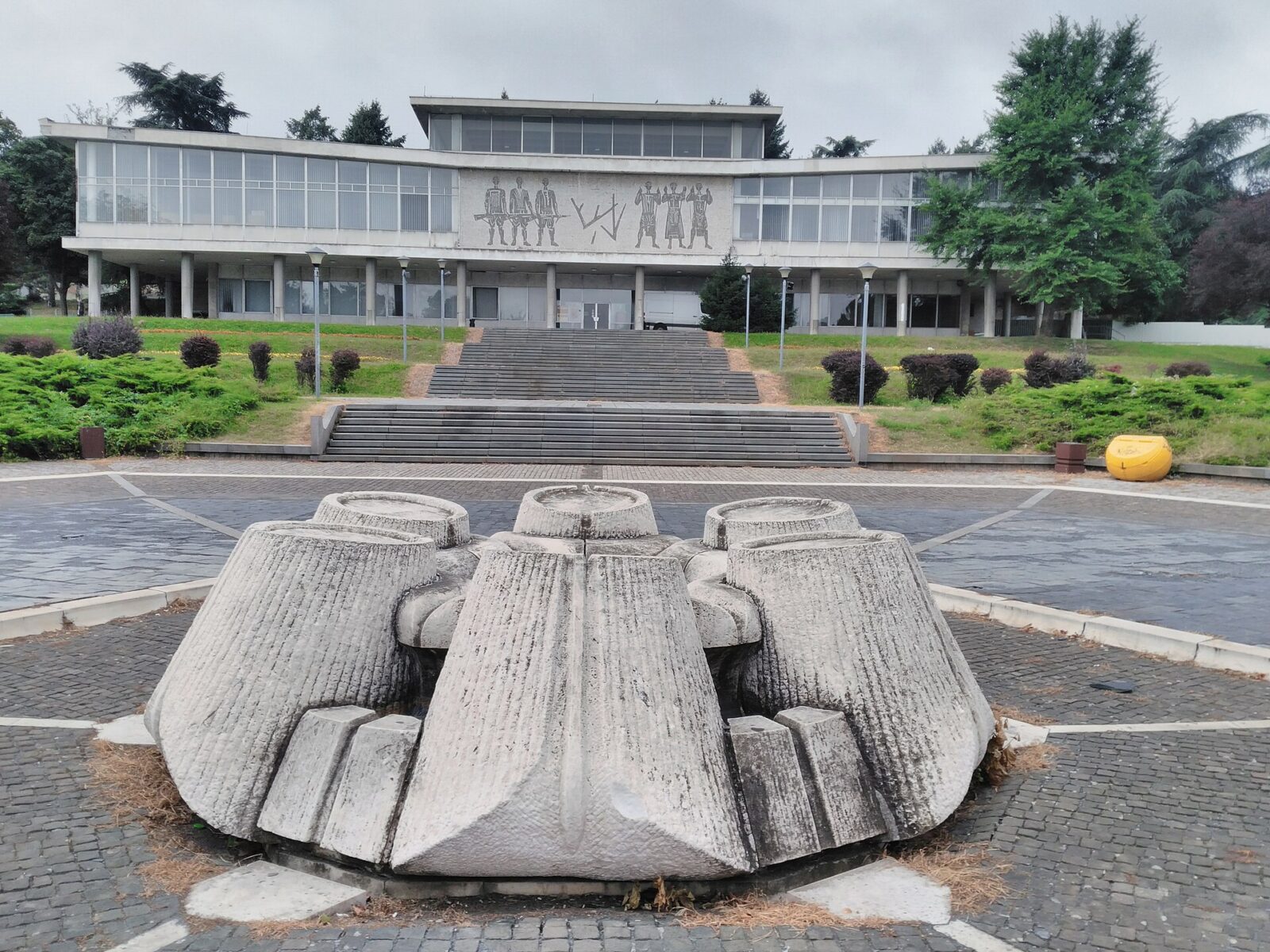
The museum is at Mihaila Mike Jankovica 6, in the Dedinje-Senjak area of Belgrade. You can reach it by phone on +381 11 3671485 or by email at [email protected]. The museum’s own visitor page relies on an embedded map rather than published transit directions, and no specific bus or tram line is named on the pages checked for this guide, so plan your route with a map or a ride-hailing app rather than expecting a numbered line from the museum itself. Whatever route you take, the ride itself costs nothing: Belgrade’s city and suburban public transport has carried no fare for any passenger since 1 January 2025.
Because the museum sits apart from the cluster of central sights covered elsewhere on this site, treat it as a dedicated stop on your itinerary rather than something you will pass on the way to somewhere else. It opens at 10:00 and closes at 18:00, closed Mondays, so build your day around that window rather than the flexible arrival times a walk-in park or a fortress might allow.
What the museum tells the story of
The exhibitions across the complex sit inside the history of socialist Yugoslavia, the country that existed under that name, in one federal form or another, from 1945 until its dissolution in the early 1990s. For anyone trying to follow how the country held together for as long as it did, and why it came apart the way it did, a museum visit is a starting point rather than a substitute for reading the wider history, but standing where its central figure is buried adds something a book alone does not.
Josip Broz Tito
Tito led the Partisan resistance during the Second World War, and Belgrade fell to a joint Partisan and Soviet push in October 1944. He went on to head the Yugoslav state for most of its existence, first as prime minister of the new federal government and later, from 1953, as president, a position parliament made his for life in 1974. His funeral in 1980 drew leaders from both sides of the Cold War divide, a reflection of the country’s position between the two blocs at the time. He is buried at the House of Flowers, inside the museum grounds, a fact the museum states directly on its own pages rather than leaving visitors to work it out.
A federation of six republics
Socialist Yugoslavia brought together six republics, Bosnia and Herzegovina, Croatia, Macedonia, Montenegro, Serbia and Slovenia, plus two autonomous provinces within Serbia, Vojvodina and Kosovo, under one federal state with its capital in Belgrade. A single party, the League of Communists of Yugoslavia, held political power throughout, while the country followed a path distinct from both NATO and Warsaw Pact alignment, co-founding the Non-Aligned Movement at a conference held in Belgrade in 1961. That position brought Yugoslavia into diplomatic relationships with much of the newly independent world in Asia and Africa alongside its dealings with both Cold War blocs, and let its citizens travel and work abroad more freely than was typical elsewhere under Communist rule at the time. The independent stance dated back to 1948, when Tito’s Yugoslavia broke with the Soviet-led Cominform rather than fall in line with Moscow, a split that set the country on its separate path years before the Non-Aligned Movement gave that path a name. Economically, too, Yugoslavia charted its own course rather than copying Soviet-style central planning: workplaces operated under a system of worker self-management, with employees formally sharing in decisions about their own enterprises, a model the country presented as distinctly its own.
How it came apart
The country began breaking apart just over a decade after Tito’s death. Slovenia declared independence in 1991 after a brief conflict, Croatia’s own war of independence ran into 1995, and Bosnia and Herzegovina’s war followed from 1992 to 1995. A separate conflict over Kosovo followed later in the decade, in 1998 and 1999. What remained of the federation settled into the pattern of separate states that occupy the region today; Serbia and Montenegro stayed joined in a smaller federation until 2006, and Kosovo’s status remained contested well beyond that. The museum’s exhibitions sit inside that larger, still-debated history, and this page describes what the museum covers rather than taking a position on how that history should be judged.
Touring the three buildings
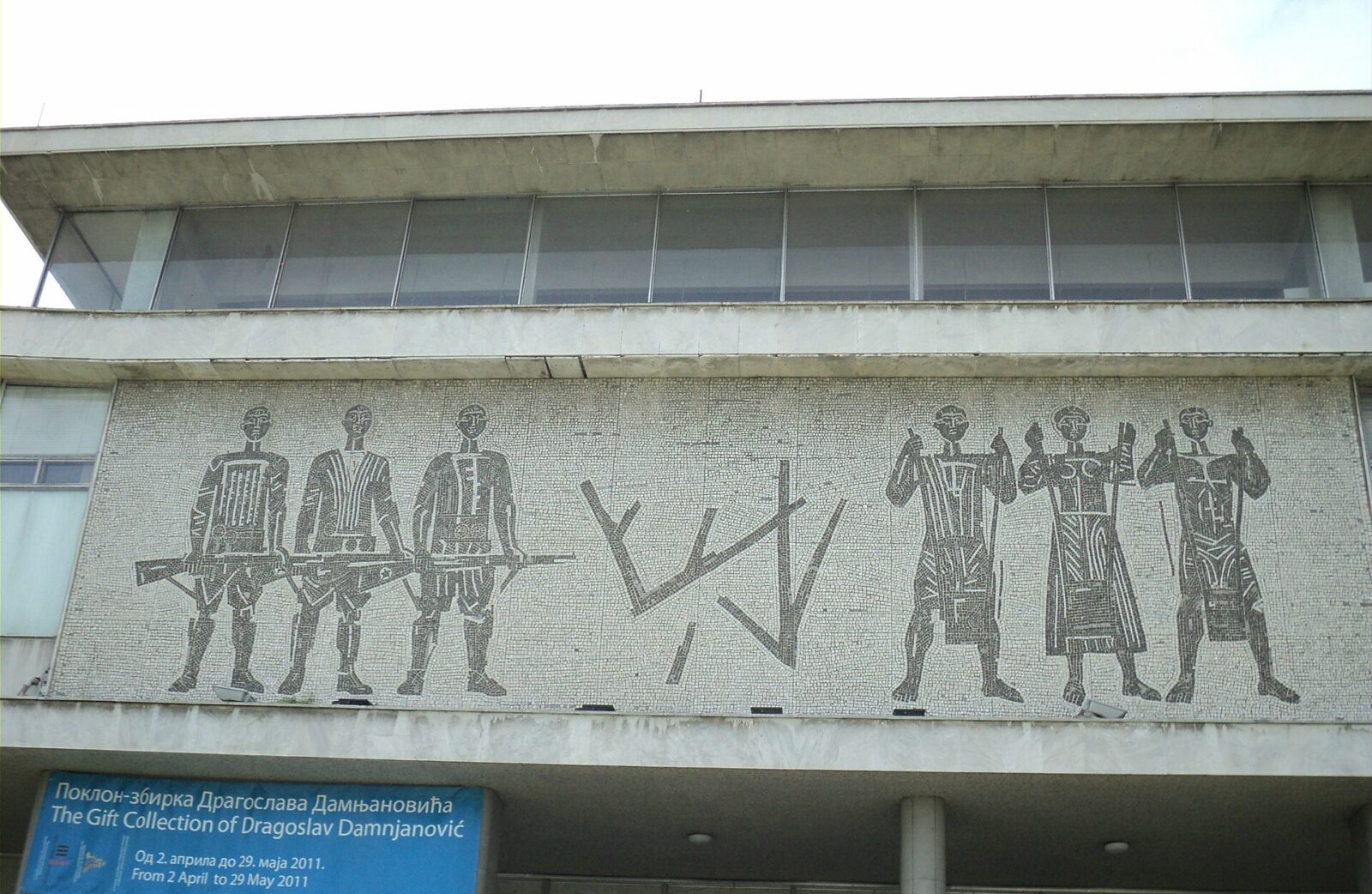
The 25 May Museum and the Old Museum hold the exhibition spaces, and one ticket moves you between all three, including the House of Flowers, without a second checkpoint. Beyond that structural layout, the specifics of each building’s current exhibition are not detailed on the pages checked for this guide, so this page describes the complex as a whole rather than guessing at gallery contents that could change between visits. If a particular exhibition or object is the reason for your visit, it is worth confirming with the museum directly that it is currently on display before you build a trip around it, since museums of this kind rotate parts of their collection and temporary exhibitions come and go.
The name “25 May Museum” refers to a date that mattered under socialist Yugoslavia: it was marked for decades as Tito’s official birthday and, later, Youth Day. The building’s exhibitions are what you come here for beyond the grave itself, though the museum’s own site is the place to check current opening times for each specific building rather than assuming they match the complex’s overall schedule.
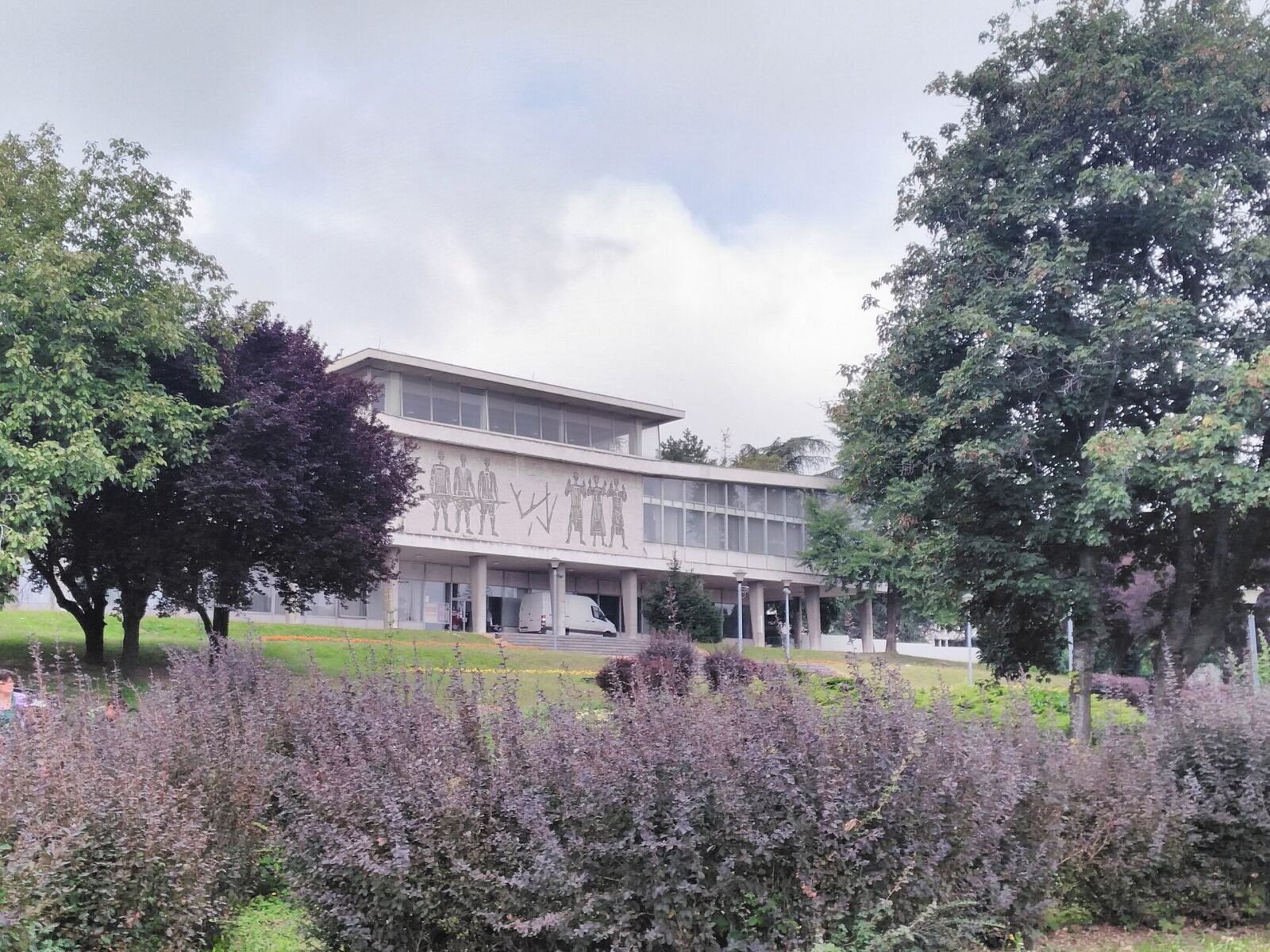
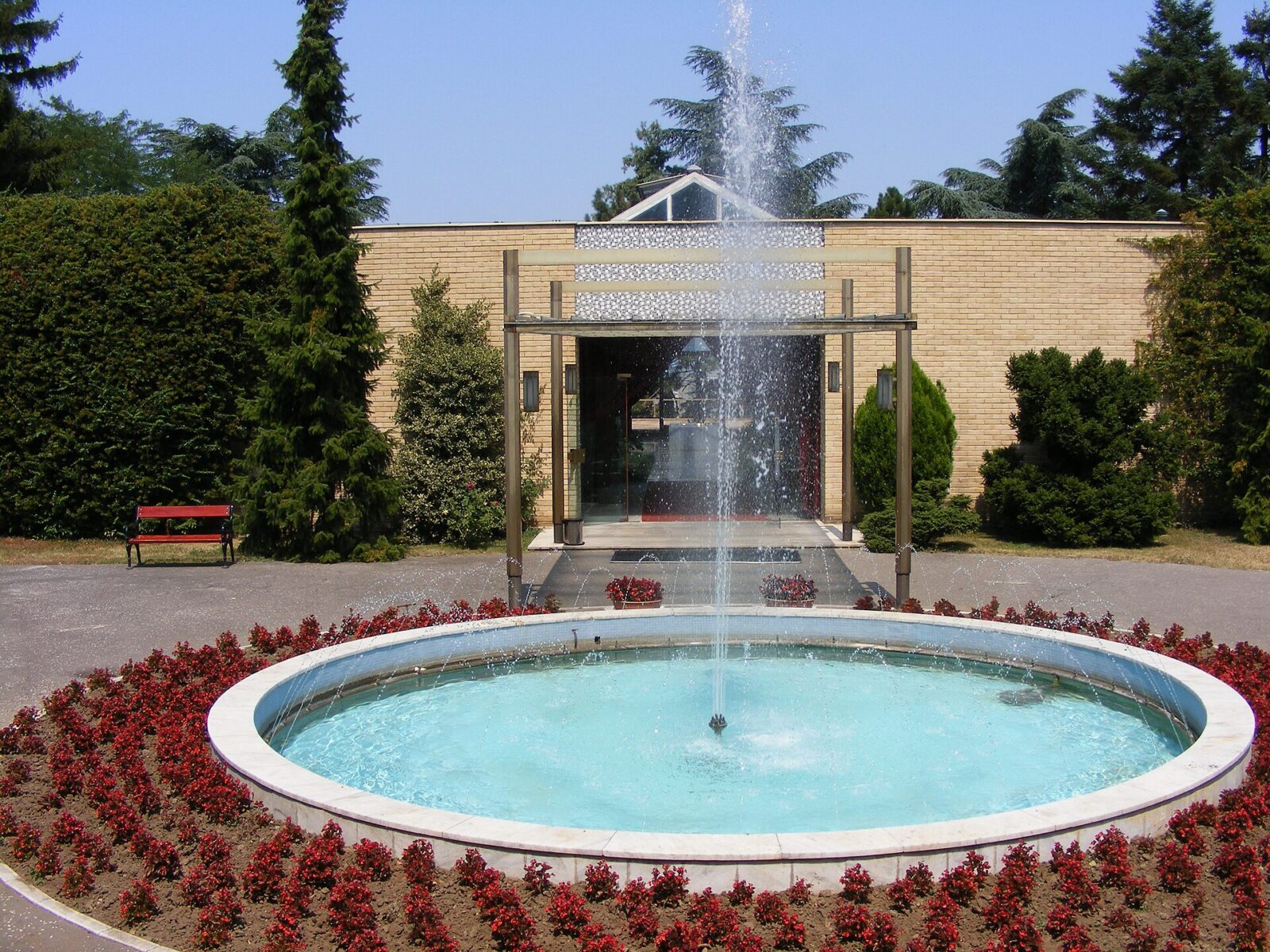
Of the three buildings, the House of Flowers is the one that is a grave rather than a gallery, and it is the building most people mean when they ask about visiting Tito’s resting place specifically. As at any grave, quiet and low-key photography are the norm here, even without a posted rule saying so on the pages checked for this guide.
Common questions
Does one ticket really cover the House of Flowers too?
Yes. The museum states plainly that a single ticket covers the 25 May Museum, the Old Museum and the House of Flowers together, and there is no separate ticket or booking for the House of Flowers alone.
How do I book a guided tour?
Regular tours run every Saturday, 11:00 in English and 12:00 in Serbian, with no booking described as necessary for those fixed slots. For another day or a tour built around a specific topic, contact the museum directly to arrange it.
How much does admission cost?
800 RSD for one ticket covering the whole complex. Admission is free for individual visitors on the first Thursday of each month; no separate reduced rate for children, students or pensioners is stated on the pages checked for this guide.
What are the opening hours?
10:00 to 18:00, closed Mondays. What the museum’s page does not say is whether public holidays change that pattern, so confirm directly if your visit falls on one.
Is Tito’s grave really inside the museum grounds?
Yes. The House of Flowers, where Josip Broz Tito is buried, is part of the Museum of Yugoslavia complex rather than a separate memorial elsewhere in the city, and the museum’s own pages state this directly.
How do I get there?
The address is Mihaila Mike Jankovica 6, in Belgrade’s Dedinje-Senjak area. No specific bus or tram line is published by the museum itself, so a map or a ride-hailing app is the practical way to plan the route, in either direction.
Nearby
The Museum of Yugoslavia sits a little apart from the central sights, so it pairs best with a day that already has some structure. Three days in Belgrade covers where else the city’s museums and neighbourhoods fit into a short stay, and the Nikola Tesla Museum is a comparable stop if you are building a museum-focused afternoon around twentieth-century Serbian history. Getting around Belgrade explains the wider transport network you will use to reach Dedinje, and Kalemegdan and Belgrade Fortress remains the obvious central counterpart if you are splitting the day between the two.