

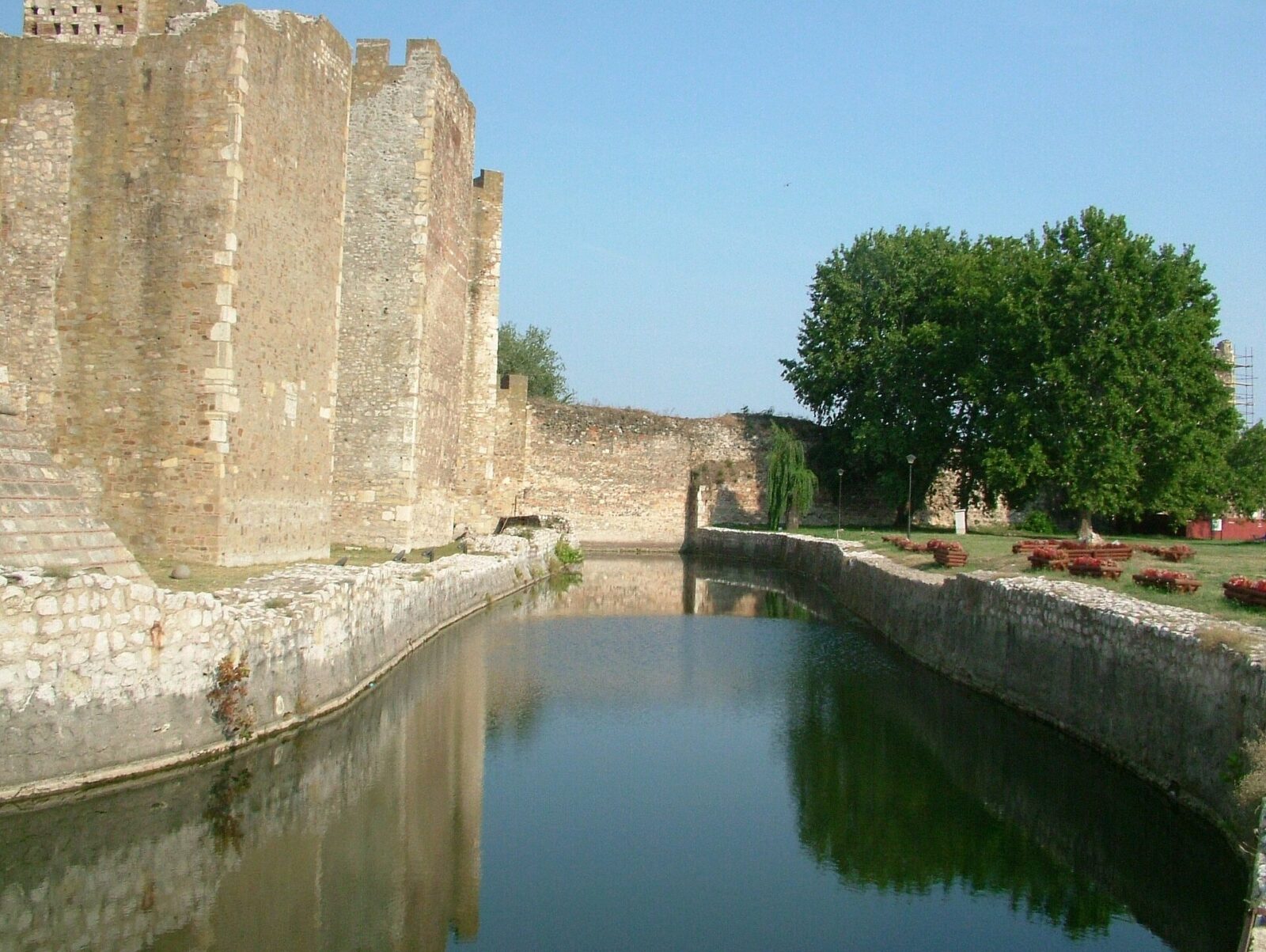
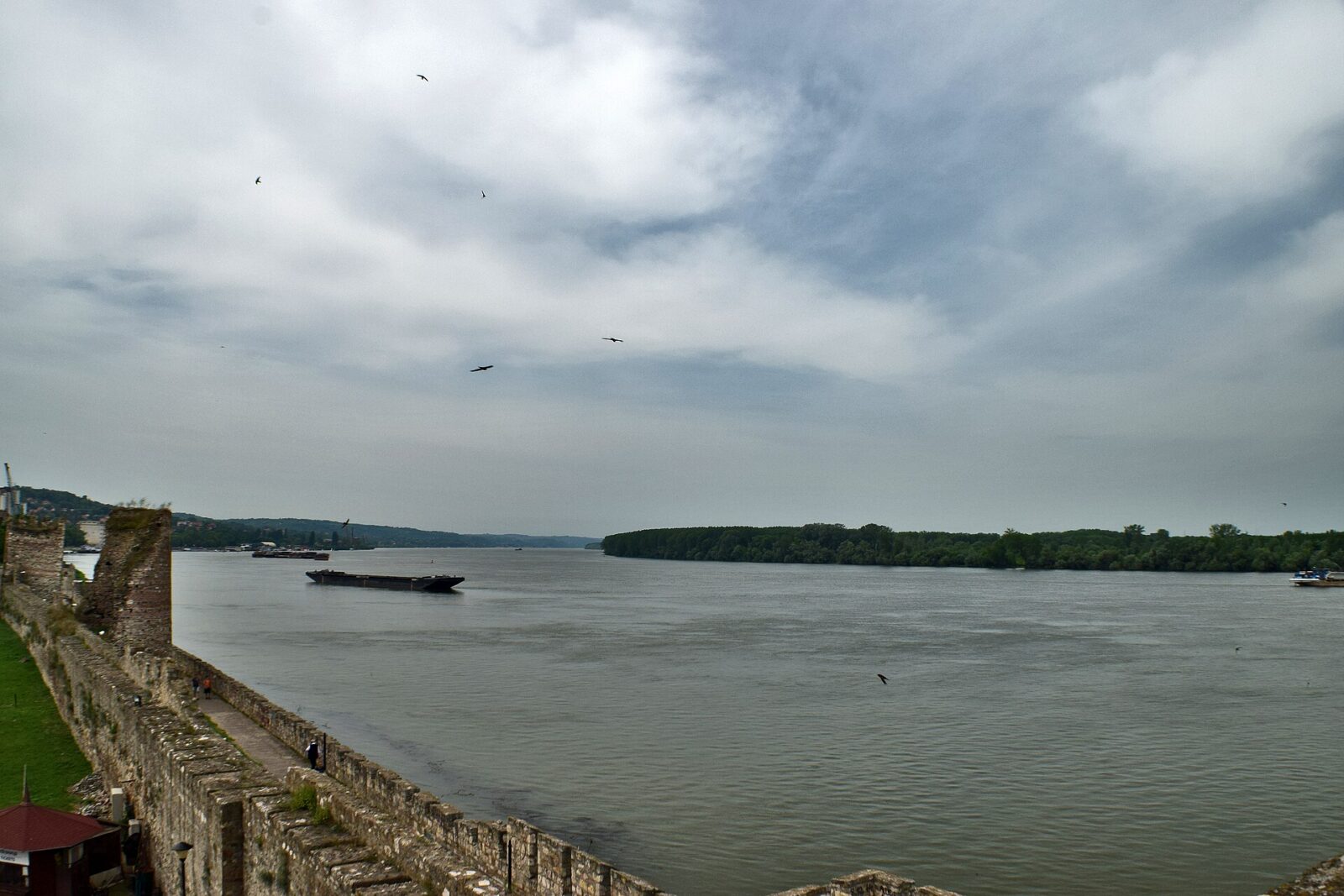
Smederevo Fortress sits where the Jezava meets the Danube, and it is due to mark six centuries of existence in 2030, work that traces back to around 1430 under Despot Djuradj Brankovic. It has sat on UNESCO’s tentative list since 2010, and a nomination dossier was being drafted as recently as 2024. None of that tells you what it costs to get inside, or when it’s open, and neither does the fortress itself. If you come expecting the same visitor infrastructure as Kalemegdan in Belgrade, ticket booths, published hours, a shop, you’ll find something quite different here, and this page exists mainly to prepare you for that gap.
The fortress grounds are managed by a distinct public enterprise, JP Smederevska tvrdjava, which has no website of its own that this guide could find. The Museum in Smederevo, a separate institution with its own building in town, is often assumed to run the fortress too. It doesn’t. Keep that distinction in mind before you plan anything around a museum ticket or a museum opening time.
Smederevo sits on the Danube corridor that runs southeast out of Belgrade toward the Iron Gates, a stretch this site already covers through Golubac and the wider eastern Serbia route. That makes the fortress an easy addition to a longer day out along the river, even with the specific gaps in published information this page sets out below.
The short version. No admission price, no opening hours and no current closure information for the fortress grounds are published anywhere this guide could find, by the fortress’s own managing enterprise, the city government or the Museum in Smederevo. The museum is a separate building in town, with its own ticket at 130 RSD and its own hours; it is not the fortress. The fortress has sat on UNESCO’s tentative list since 2010. Call the city’s tourist information centre, 026/615-666, or JP Smederevska tvrdjava directly, 026/46-22-952, before you plan a visit around specific times.
On this page
What isn’t published about visiting
This is the section to read before any other, because it changes what you can plan in advance. Two things are missing, for two different reasons, and it’s worth separating them.
Price and hours: nobody publishes them
No price, no hours, no current closure status. This guide checked the Museum in Smederevo’s own site, including its dedicated visitor-information page, the city government’s site, including its list of public enterprises and its tourism page, and could not find an independent website for JP Smederevska tvrdjava, the enterprise that actually manages the fortress. None of these sources publishes an admission price for the fortress grounds, a seasonal opening-hours page, or a current statement of which towers, walls or sections are open versus closed for restoration. A 2024 city government item discussed potential redevelopment of the fortress’s surroundings with the Republic Institute for Protection of Monuments, but it announced no specific closures, only that talks were held. If you need current information, call JP Smederevska tvrdjava on 026/46-22-952, or the city’s Tourist Information Centre on 026/615-666, or write to [email protected].
The gap isn’t for lack of looking. A fortress this size, on Serbia’s own UNESCO tentative list, would ordinarily have a visitor-facing page somewhere; the absence itself is the finding here, not a sign that this guide stopped searching early.
Getting from Belgrade: also unconfirmed
Road distance and public transport from Belgrade are the other gap. No official figure for the driving distance, and no published bus or train timetable specific to this route, turned up from the fortress’s managers, the city government or the intercity bus network’s own site. A widely repeated figure of around 45 km circulates online, but since no official source confirms it, this guide does not repeat it as fact.
The museum in town is not the fortress
The Museum in Smederevo runs its own exhibition building at Omladinska 4, a separate address from the fortress grounds, with its own published hours, ticket and accessibility information. Treat it as a related but distinct stop, not as the way into the fortress. The fortress occupies the riverside ground where the Jezava meets the Danube; the museum sits at a town-centre address away from the water. They are close enough to combine in one visit, but they are not the same building, the same entrance, or the same ticket.
| Smederevo Fortress | Museum in Smederevo | |
|---|---|---|
| Location | Confluence of the Jezava and the Danube | Omladinska 4, in town |
| Managed by | JP Smederevska tvrdjava | Museum in Smederevo |
| Admission price | Not published | 130 RSD full price; 100 RSD for pre-booked groups of 15 or more |
| Hours | Not published | Mon-Fri 10:00-19:00; Sat-Sun 10:00-15:00 |
The museum’s own visitor page states that wheelchair access is possible only to the ground floor of its building, covering the entrance hall, the first exhibition hall and part of the lapidarium, and that there is no accessible ramp to its toilets. Free entry applies to children under 7, teachers and guides leading a booked group, and ICOM or MDS members along with other museum and gallery staff. None of this describes the open-air fortress grounds, which publish no accessibility information of their own.
Why the two get confused
Part of the confusion traces back to the museum’s own outreach work. It built a virtual-tour project covering the fortress back in 2013, discussed further below, and it remains one of the more visible sources of information about the site online. That visibility is a reasonable explanation for why visitors, and search results, sometimes treat the museum as the fortress’s operator. The public record says otherwise: a distinct enterprise runs the grounds, even though it has left far less of a public footprint than the museum has. If you email or call looking for fortress-specific information, be prepared to be redirected between the two, and lead with the fortress’s own contact details above rather than the museum’s.
Six centuries on the Danube
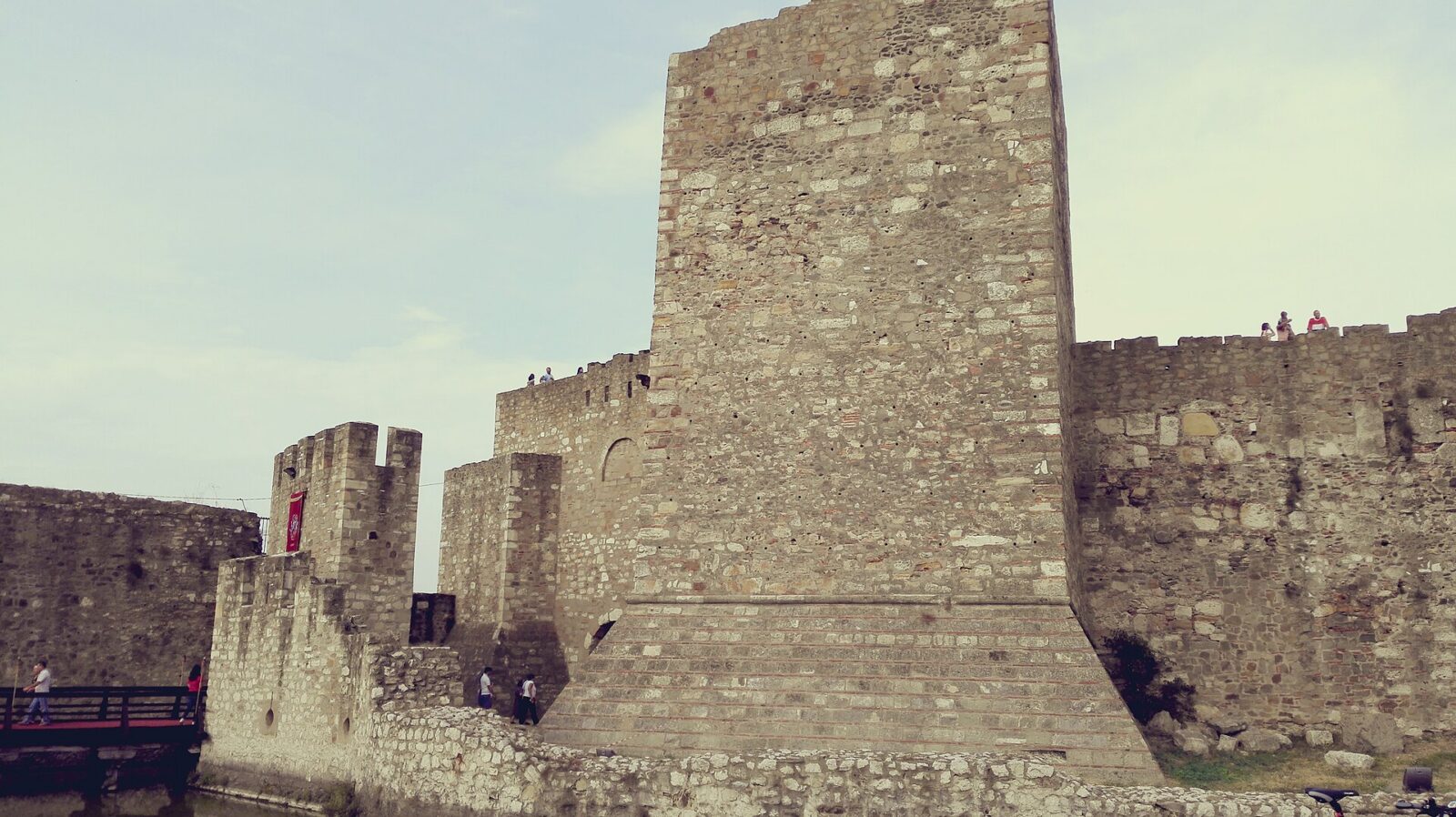
The fortress is due to mark six centuries of existence in 2030, which the city government’s own announcement ties back to construction under Despot Djuradj Brankovic, roughly around 1430. That makes it one of the later medieval Serbian strongholds built on the Danube, going up as the frontier with the Ottoman advance kept shifting through the fifteenth century. The 1430 date is this guide’s own arithmetic from the announced anniversary rather than a year independently quoted by an official source, so treat it as approximate.
Marking six centuries in 2030
The city government’s own announcement frames 2030 as a milestone worth planning around, and it’s a reasonable one for a visitor to keep in mind too: an anniversary of that scale sometimes brings renewed restoration funding, new exhibitions or a fresh round of public attention to a site. None of that is confirmed for Smederevo specifically as of this page, so treat it as a date to watch rather than an event with a published programme. If you’re planning a trip specifically around the anniversary, check back closer to the date rather than assuming a fixed celebration exists, since nothing in the record this guide checked describes one yet.
Why it’s on a UNESCO list, and what that does and doesn’t mean
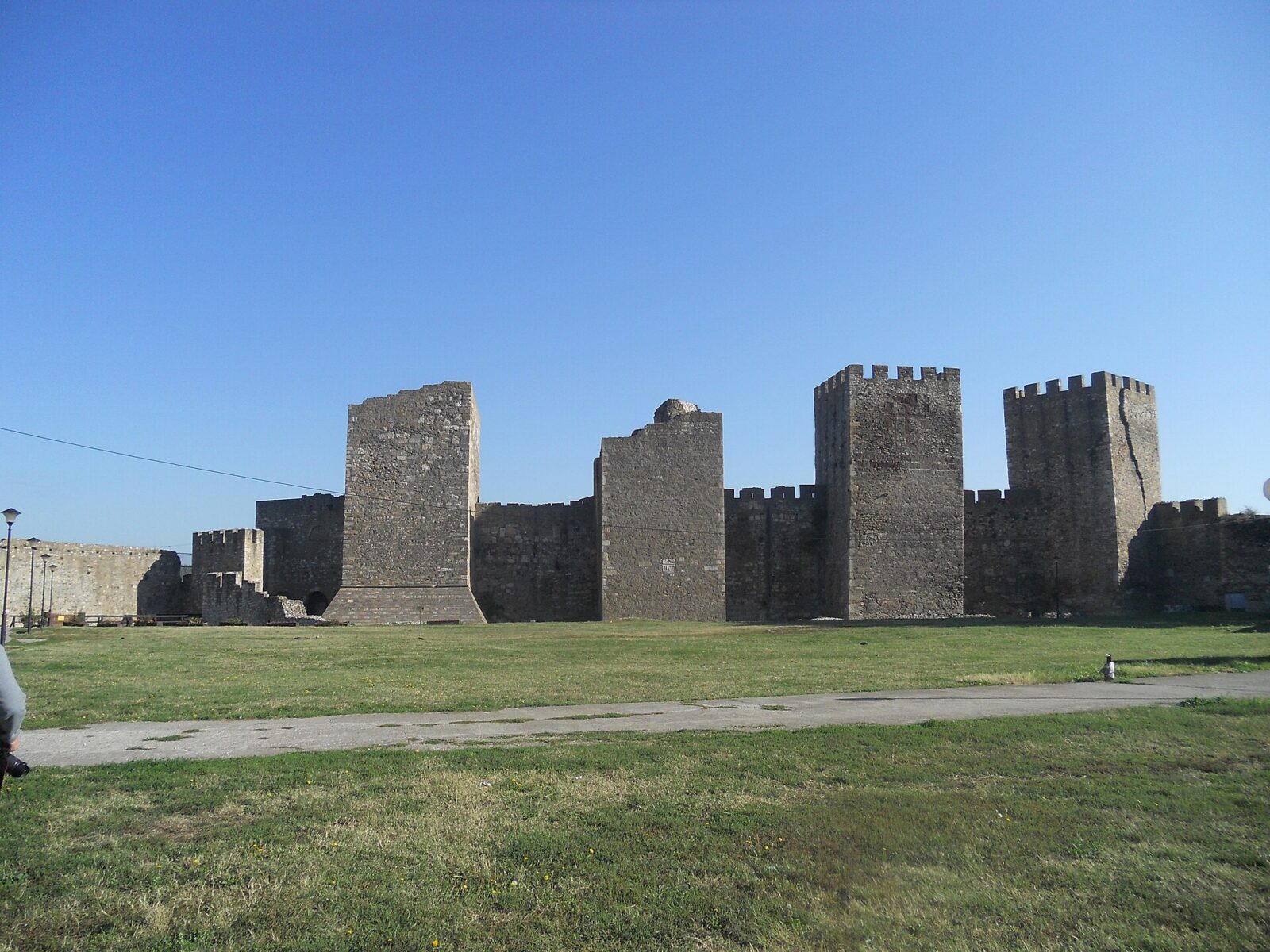
Smederevo Fortress has been on UNESCO’s preliminary, or tentative, list since 2010. A city government presentation in April 2024 described a nomination-dossier drafting process under way, involving cultural institutions from both Belgrade and Smederevo, aiming eventually at inscription on the full World Heritage list, which held 1,199 properties at the time of that presentation. Tentative-list status is a preliminary step, not a confirmed inscription, and nothing in the record states a timeline for when, or whether, a full nomination will be submitted. If a full inscription does eventually happen, expect it to bring the kind of visitor infrastructure that is currently missing; for now, don’t plan your visit around a status that hasn’t arrived yet.
A 2013 preview, not a current source
If you want a preview before you travel, the Museum in Smederevo built a 3D virtual-walkthrough microsite of the fortress in 2013, with funding from the Swedish government via Cultural Heritage without Borders and the Balkan Museum Network, in Serbian and English. It’s a promotional and educational project from over a decade ago, not a source for current prices, hours or access conditions, and it should not be mistaken for the fortress’s own visitor information, since none exists in that form.
Getting there
Smederevo is close enough to Belgrade that many visitors treat it as a half-day addition to a longer eastern Serbia route rather than a destination in its own right, and the practicalities below reflect that. Smederevo sits on the Danube corridor southeast of Belgrade, on the same stretch of river covered by this guide’s eastern Serbia day-trip route toward Golubac and the Iron Gates. No official road distance or public transport timetable for the Belgrade-Smederevo leg specifically could be confirmed for this guide, so it doesn’t put a number on it here. If you’re driving, follow the Danube corridor southeast out of Belgrade; this is a well-travelled route toward Golubac and the Iron Gates, so road quality and signage are not a particular concern, even without a confirmed distance or driving time to quote. If you’re relying on public transport instead, check the intercity bus network’s own timetable search directly, since its published information does not cover this specific route in a form that could be verified here; Smederevo is a substantial town in its own right, so a service almost certainly exists, but this guide could not confirm a schedule or fare precisely enough to print one.
What’s actually confirmed
- On UNESCO’s tentative list since 2010, with a nomination dossier reported as being drafted in 2024
- Managed by JP Smederevska tvrdjava; phone 026/46-22-952
- City Tourist Information Centre: 026/615-666; email [email protected]
- Museum in Smederevo (separate building, Omladinska 4): 130 RSD full price, Mon-Fri 10:00-19:00, Sat-Sun 10:00-15:00
- 600th anniversary of the fortress due in 2030
Common questions
Is it free to enter the fortress?
Not established. No admission price for the fortress grounds is published by the managing enterprise, the city government or the Museum in Smederevo. An absence of a published price is not proof of free entry, so don’t assume it costs nothing; call ahead if this matters to your plans, and bring some cash in dinars regardless, in case a fee is collected on site without being advertised online.
What are the opening hours?
Not published for the fortress grounds. The Museum in Smederevo’s own building keeps stated hours, Monday to Friday 10:00 to 19:00 and weekends 10:00 to 15:00, but that is a different location and does not describe the fortress itself.
Does visiting the museum also get me into the fortress?
No. The museum is a separate building at Omladinska 4, run by a different institution from JP Smederevska tvrdjava, which manages the fortress grounds. A museum ticket covers the museum’s own exhibition, not fortress access, so budget for them as two separate stops rather than one combined visit.
Is any part of the fortress currently closed for restoration?
Not established either way. A 2024 city government meeting discussed potential redevelopment of the fortress’s surroundings, without announcing specific closures. Confirm current access directly with JP Smederevska tvrdjava or the city’s Tourist Information Centre before you travel, especially if a specific tower or section matters to your plans.
Is Smederevo Fortress a UNESCO World Heritage Site?
Not yet. It has been on the tentative list since 2010, and a nomination dossier was reported as being drafted in 2024, but tentative-list status is a preliminary step, not an inscription on the full World Heritage List. No timeline for a full nomination has been published either.
Nearby
Smederevo sits on the same Danube route covered by eastern Serbia from Belgrade, which continues on to Golubac fortress further along the river. If Roman sites are more your interest on this same corridor, Viminacium is another stop on the way east. And if you’re basing yourself in the capital for this leg, Belgrade in 2 or 3 days covers the city itself.