
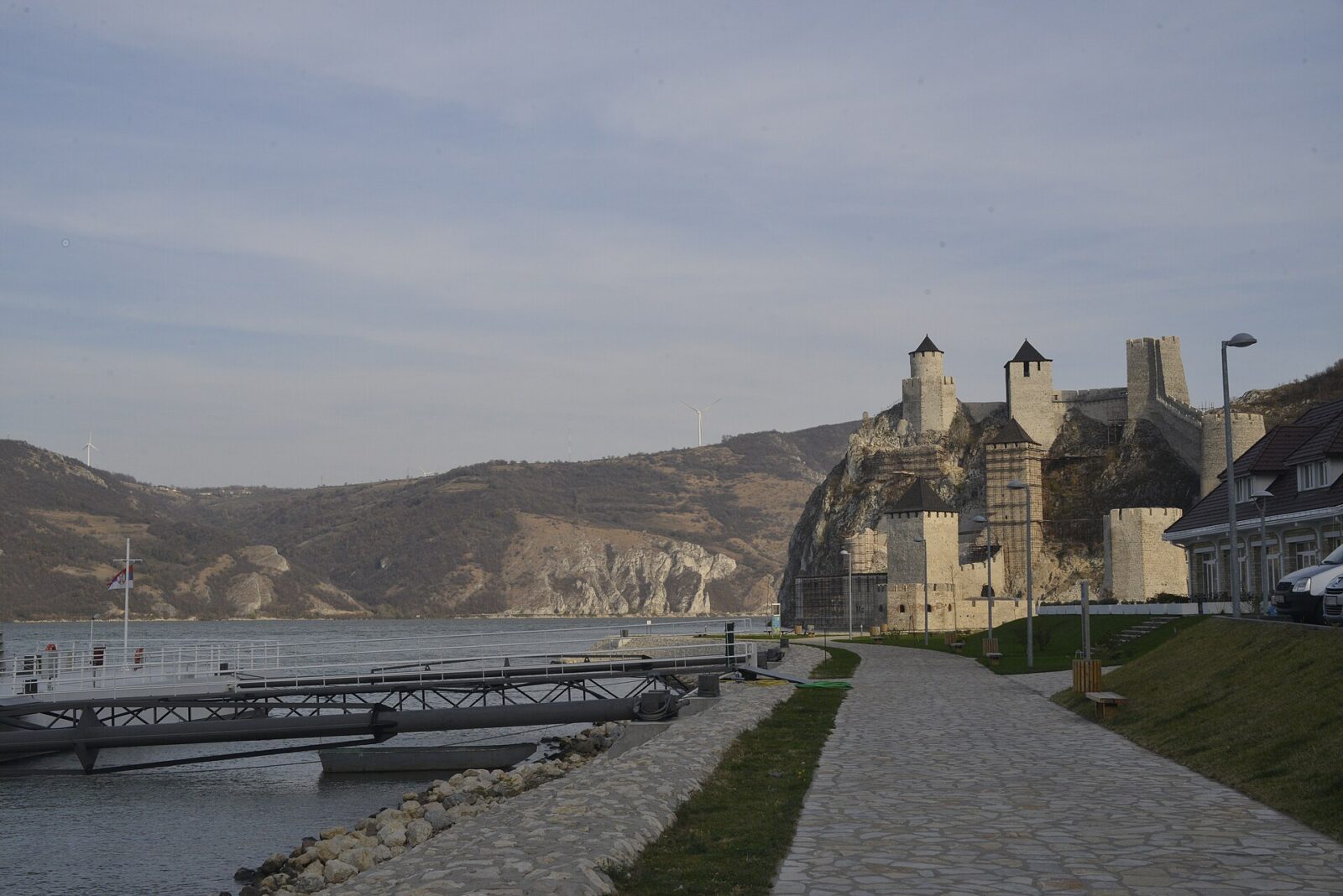
Golubac guards a bend of the Danube where the river narrows, the gorge Serbs call Đerdap and outsiders call the Iron Gates runs for miles along the same bank, and the excavated site of Lepenski Vir sits further downstream. All three lie roughly along one road east of Belgrade, and a determined day can take in every one of them. What decides whether that works isn’t really the distance, it’s the timing: two of the three stops publish fixed opening hours, one does not, and none of them sits on a scheduled bus or train line.
That last point matters more than it sounds. No official source documents a public bus or train service to Golubac or to Donji Milanovac, the small town that anchors the eastern half of this route. That single gap settles most of what follows: you drive yourself, or you book a trip that already comes with a driver.
Here’s what’s actually confirmed about getting there, what each stop asks of your schedule, and where the plan can come apart if a phone call gets skipped.
The short version. No official source publishes a bus or train service to Golubac or Donji Milanovac, so you drive or book an organised trip. Golubac fortress opens 10:00-18:00 in July and August, shrinks to 10:00-14:00 in winter, and closes Mondays; last tickets go 45 minutes before closing. Every marked Đerdap trail except Zlatno jezero needs advance notice, though the 4-kilometre Zlatno jezero trail is open daily without it. Lepenski Vir publishes no price, no hours and no closing day, so call ahead: 030 501 501 or 030 501 389. Road distance runs to roughly 130 km from Belgrade to Golubac and another 51.4 km to Donji Milanovac, with no published figure for the final stretch to Lepenski Vir.
On this page
Why you can’t just catch a bus
You won’t find a timetable for this route, and that’s not for lack of looking. The Golubac fortress operator’s own contact page points visitors toward a third-party timetable site rather than naming a bus line or a company, and that site publishes nothing readable. Serbia’s transport ministry keeps a register of intercity timetables, but it isn’t published route by route.
Golubac’s own tourist office keeps a list of close to thirty local phone numbers, covering everything from the health centre to the fire brigade to the car ferry that crosses the Danube at Ram. A bus station isn’t on it. The nearest one that list names sits in Pozarevac, about 40 kilometres away, plain evidence that this isn’t a town built around a bus stop.
None of that proves a service doesn’t exist somewhere. It proves that no official source documents one, and that’s the only thing worth planning around. If driving isn’t an option, an organised day trip from Belgrade is the practical alternative: it puts someone else behind the wheel and removes the question entirely.
Choosing between driving yourself and booking a tour
Renting a car is the more flexible option, and nothing about this route calls for four-wheel drive or a specialised vehicle, just something that gets you comfortably along a Serbian trunk road for a few hours each way. Renting and driving a car in Serbia covers the conditions, the paperwork and the roads themselves in more depth than fits here.
An organised day trip removes the driving, the route-finding, and the question of whether a given park trail needs advance notice, since the operator sorts that out as part of running the trip. It also removes the freedom to linger wherever you like. Weigh that trade-off against how comfortable driving unfamiliar roads for a full day feels; no official source settles it either way.
What the distances tell you, and what they don’t
Golubac sits roughly 130 kilometres from Belgrade by road, on the M25.1 trunk road that the municipality itself calls the Đerdap magistrala. A separate estimate from the fortress operator puts the same drive at 129 kilometres, close enough to treat either figure as an approximate road distance rather than a timed journey. Neither source publishes how long the drive actually takes.
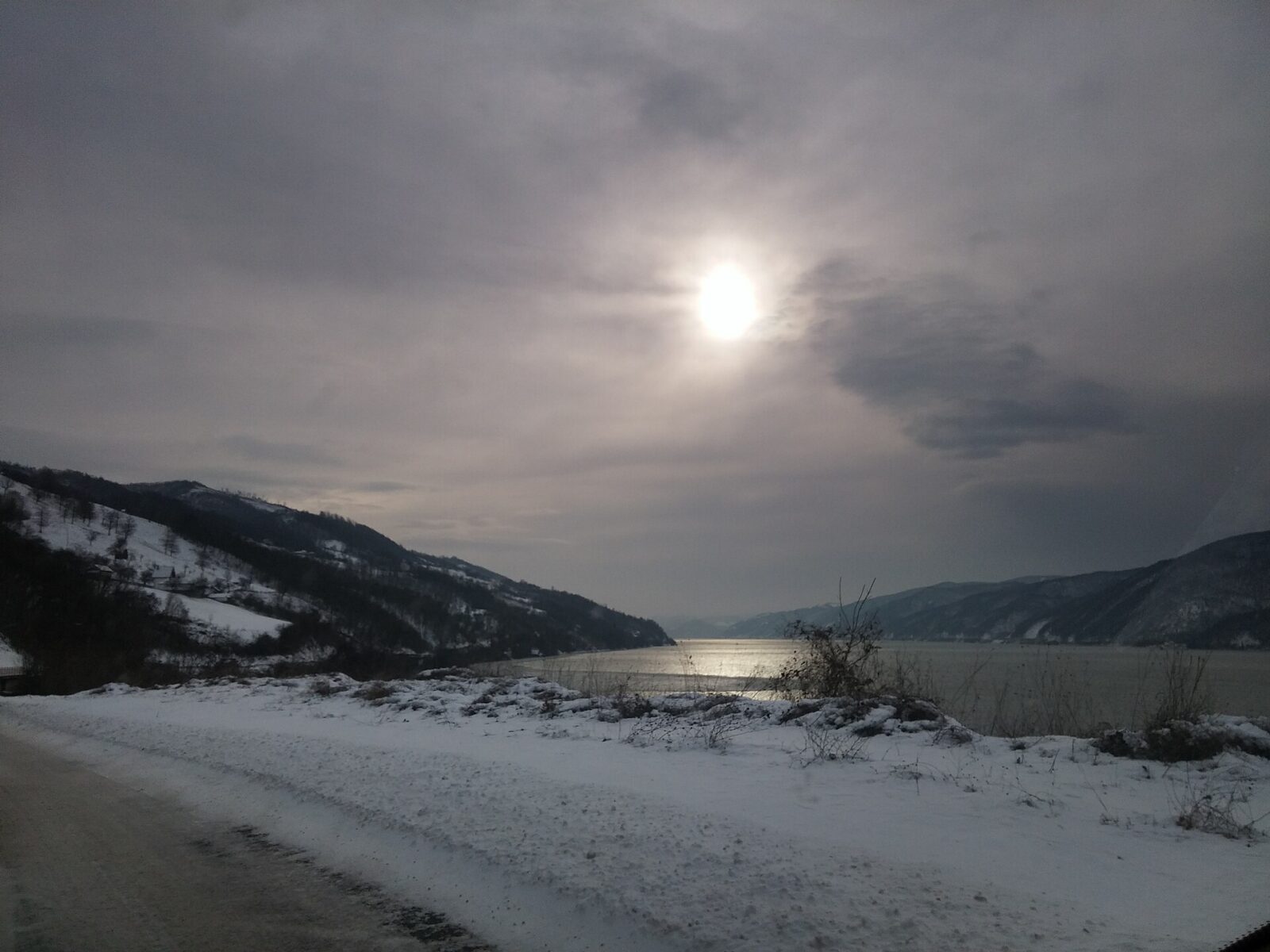
From Golubac, the same Danube road continues 51.4 kilometres to Donji Milanovac, a figure that comes from the national road reference system rather than from a tourism page, which makes it the most solid distance on this whole route. Đerdap itself is reached along that same road, one of only three approaches the park names: this highway coming from Belgrade, the same highway arriving from Kladovo, or a longer regional road from Niš by way of Zaječar, Bor and Miloševa kula. No railway reaches any of it.
No official source gives a distance for the last stretch, from Donji Milanovac on to Lepenski Vir. Combined with the missing journey times on every other leg, that’s reason enough to build slack into the day rather than plan it to the minute.
| Leg | Distance | Source |
|---|---|---|
| Belgrade to Golubac | about 129-130 km | Fortress operator and municipality, close agreement |
| Golubac to Donji Milanovac | 51.4 km | National road reference system |
| Donji Milanovac to Lepenski Vir | not officially published | No source found |
Working out how much time each stop needs
Two of the three stops publish hours worth planning against. The third doesn’t, and that’s the one to sort out first, before you leave rather than on the road.
Timing Golubac before it closes
Golubac fortress runs a much longer day in summer than in winter, and the gap is sharp enough to reshape the whole plan depending on when you go.
| Months | Opening hours |
|---|---|
| January, February, November, December | 10:00-14:00 |
| March | 10:00-15:00 |
| April, October | 10:00-16:00 |
| May, June, September | 10:00-17:00 |
| July, August | 10:00-18:00 |
Whatever month you go, the fortress closes on Mondays, and last tickets sell 45 minutes before closing time, with the upper zones cutting off at least an hour before that. Arriving late in the afternoon in December buys you a far shorter visit than the same arrival time would in July.
The green-zone ticket includes a guided talk inside the Palace, on the hour, every hour, in Serbian and English, with an added Romanian-language slot on weekends. The operator doesn’t state a start or end time for the daily run, only that it happens hourly, so the last realistic slot is bounded by that 45-minute last-entry cutoff rather than by any published schedule. The operator also reserves the right to pause ticket sales, for the whole fortress or for a single zone, if the weather turns or the crowd gets too large. It names no threshold for either and no warning channel, so this can’t be checked before departure, only allowed for on the day.
Working within Đerdap’s trail rules
Đerdap National Park allows one trail without any advance arrangement. Zlatno jezero runs 4 kilometres with a gentle five percent gradient and twelve interpretation panels, open daily, no notice needed.
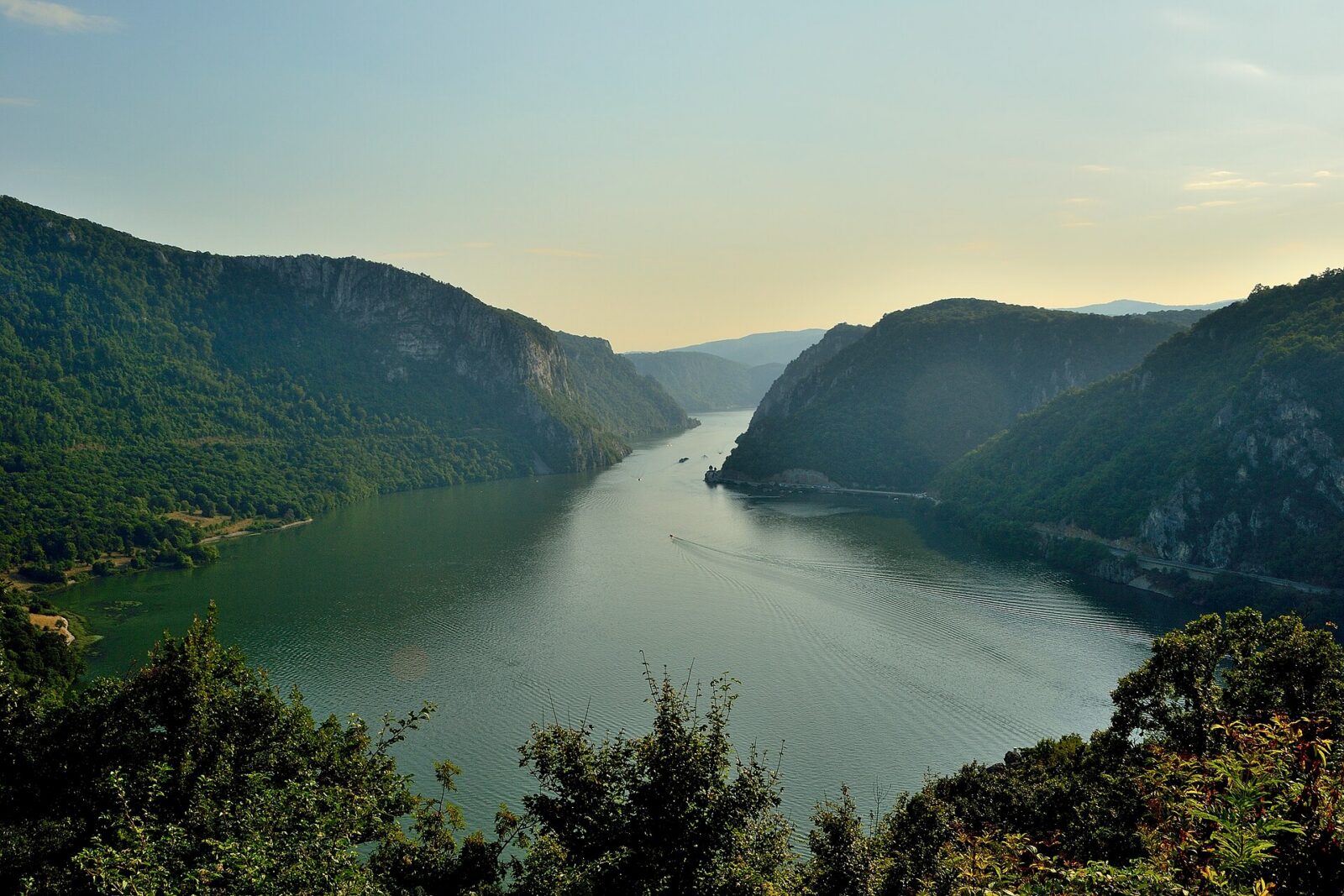
Every other marked trail sits inside the park’s strictest protection zone, and the park’s own rules require those visits to be organised and announced beforehand. Ignoring a warden’s instruction on one of those trails carries a fine of 5,000 to 150,000 dinars under Serbia’s nature protection law, which is reason enough to take the notice requirement seriously rather than chance it at the gate.
| Trail | Advance notice | Detail |
|---|---|---|
| Zlatno jezero | Not required | 4 km, about 5% gradient, twelve interpretation panels, open daily |
| All other marked trails | Required | Must be organised and announced beforehand; a warden’s instruction carries a fine of 5,000-150,000 RSD if ignored |
Reaching Lepenski Vir without a published hour
Lepenski Vir is the one stop this route can’t give you a time for. The National Museum publishes full hours and prices for its four other branches on the same visitor page, and gives Lepenski Vir nothing but a how-to-reach-us note with group booking numbers.
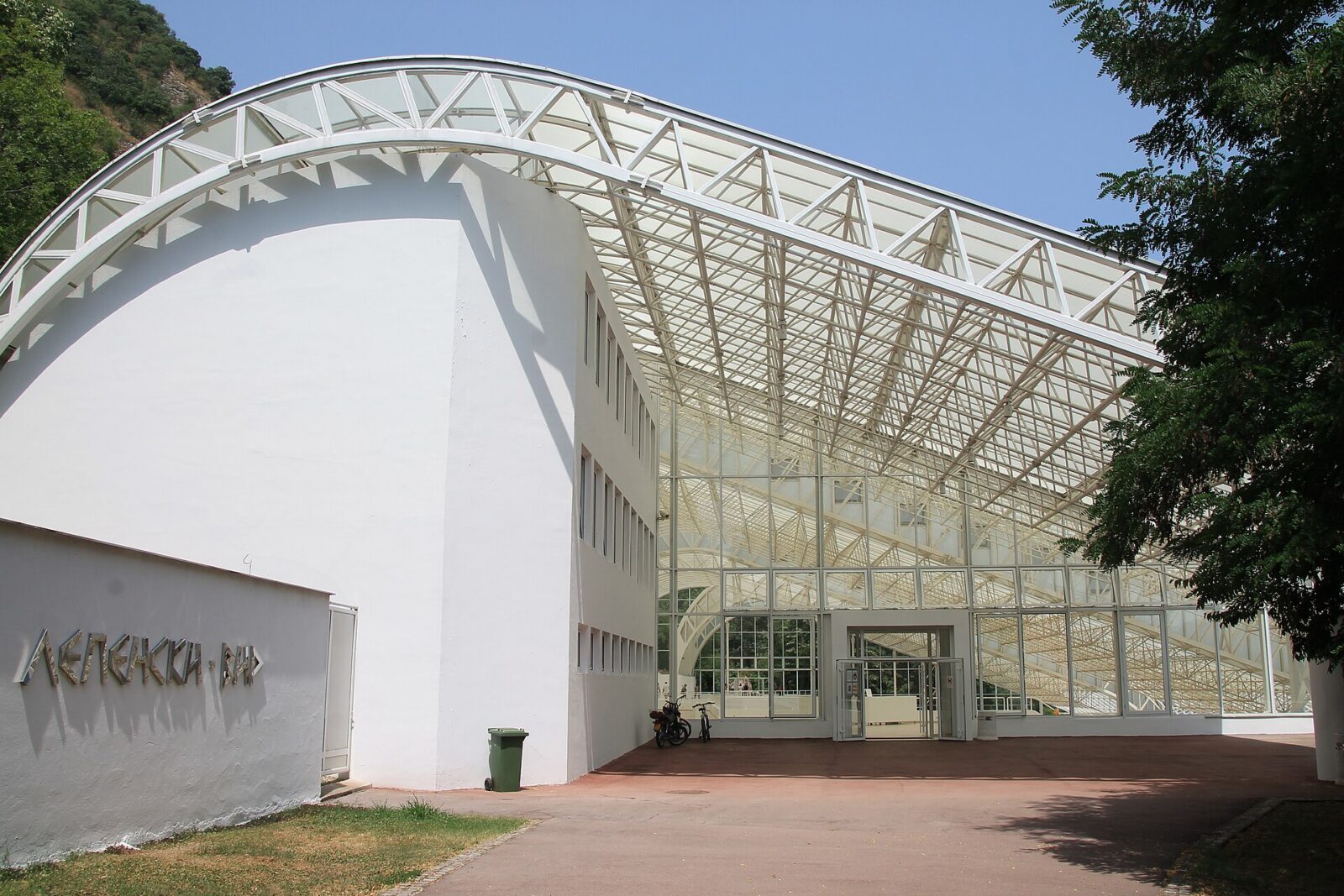
No price, no opening hours, no closing day, and no statement on whether turning up without booking a guided visit works. An absence of a published price doesn’t mean free entry, it means the museum hasn’t said. Call ahead, on 030 501 501 or 030 501 389, before you build a schedule around this stop.
Building a day that actually fits
- Leave Belgrade with the morning light, so a Monday closure or a short winter window doesn’t catch you out; Golubac closes Mondays and its hours shrink sharply outside summer.
- Give the fortress a couple of hours if you want the ticketed zones and the hourly guide talk, and arrive with enough margin that the 45-minute last-entry cutoff isn’t a problem.
- Drive the gorge road east toward Donji Milanovac, 51.4 confirmed kilometres from Golubac. This stretch is the scenery, worth stopping for rather than covering quickly.
- Call Lepenski Vir before committing to the final leg, since no published hours mean the site can’t just be counted on to be open.
- If a walk in Đerdap is part of the plan, arrange it before you leave Belgrade. Everything except Zlatno jezero needs advance notice, and that isn’t something to sort out at the trailhead.
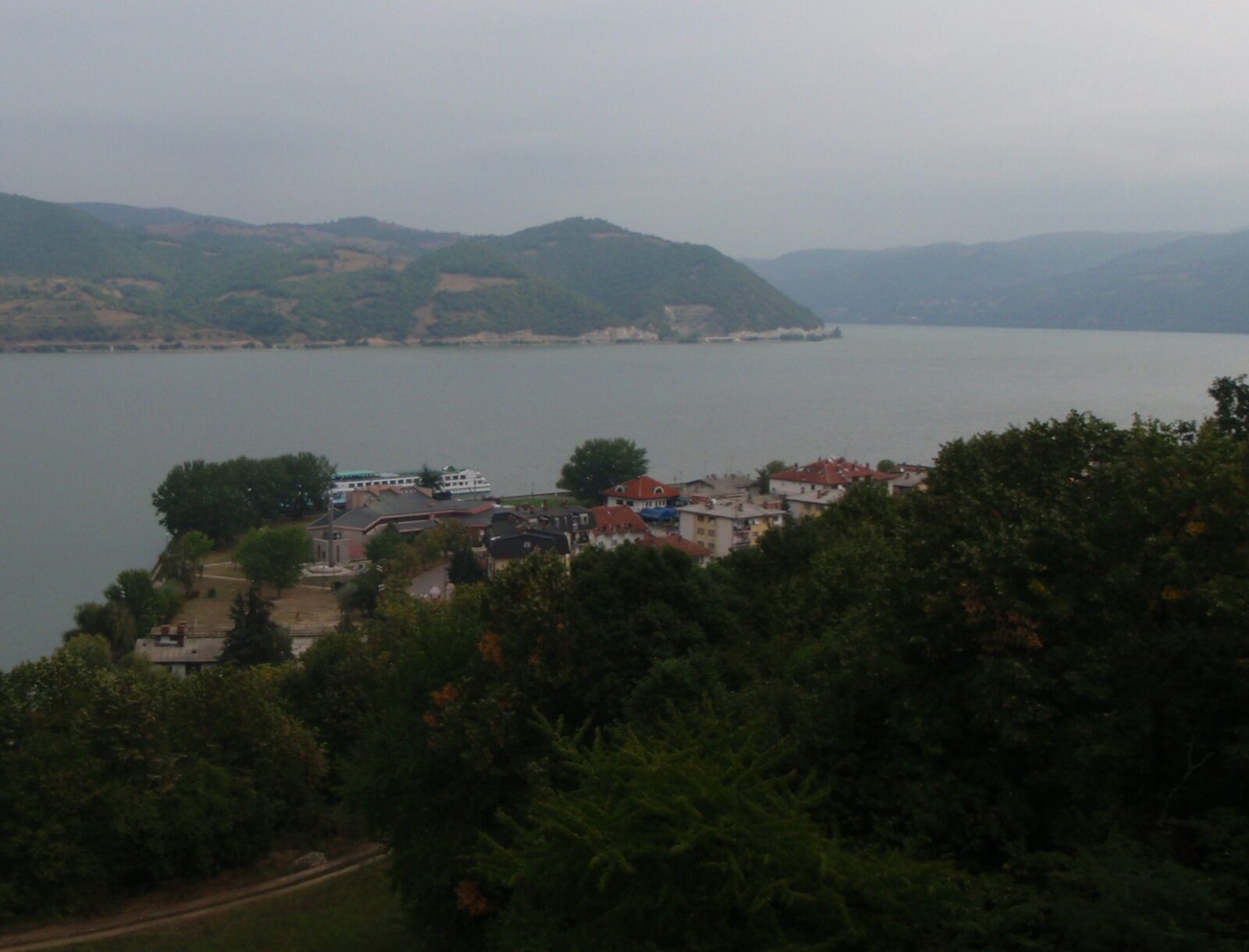
Donji Milanovac works well as the day’s turning point rather than a destination in itself: it’s the town nearest the last stretch of unpublished distance, and the park administration itself names its building there as where a Đerdap visit begins. Treat a stop here as a chance to check phone reception and confirm the Lepenski Vir call before the last leg, not as a sight worth planning time around.
What could derail the day
Two things to fix before you leave, not on the road. Advance notice for any Đerdap trail beyond Zlatno jezero, and a phone call to Lepenski Vir. Skip either and you risk a locked trail or a wasted final leg, not just an inconvenience.
Golubac’s Monday closure catches out more visitors than the weather clause does, if only because it’s easy to forget when you’ve built a trip around a weekday off work. The fortress’s reserved right to pause ticket sales for crowding or bad weather is real but unpredictable: no threshold and no warning channel are published, so it can’t be checked ahead of time, only allowed for on the day itself.
And build in margin generally. No authority publishes drive times for any leg of this route, only distances, so a plan built on exact minutes is a plan built on a guess, not a figure any source actually gives.
Common questions
Does the standard Golubac ticket include a guided visit?
Yes, for the green-zone ticket. It includes an hourly guide talk inside the Palace, in Serbian and English, with an added Romanian-language slot on weekends. The operator doesn’t publish a start or end time for the daily run, only that it happens on the hour, so the last realistic slot is bounded by the 45-minute last-entry cutoff rather than by a stated schedule.
Can bad weather or a busy day shut ticket sales without warning?
The fortress operator reserves the right to pause ticket sales, for the whole site or a single zone, if the weather turns bad or the crowd gets too large. No threshold is published for either trigger, and no warning channel is named, so you can’t check this in advance. It’s a standing condition rather than a scheduled closure.
Is there a bus station in Golubac itself?
No. Golubac’s own tourist office lists close to thirty local phone numbers, and none of them is a local bus station. The nearest one on that list sits in Pozarevac, about 40 kilometres away.
How far ahead do you need to arrange a Đerdap trail?
The park’s own notice says trails other than Zlatno jezero must be organised and announced in advance, but it doesn’t say how far ahead or through what channel. Treat that as something to settle before leaving Belgrade, not something fixed at the trailhead.
Why doesn’t this page give a price or a closing time for Lepenski Vir?
Because no official source publishes one. The National Museum’s visitor page gives full hours and prices for its four other branches and leaves Lepenski Vir with only a how-to-reach-us note and two group-booking phone numbers. An absence like that isn’t evidence of free entry or of a particular opening time, so this page doesn’t guess at either.
If you can only fit one stop into the day, which is the safest bet?
Golubac is the stop with the most published detail: fixed hours, a known closing day and an included guide talk. If certainty matters more than seeing all three, it’s the one to plan around with the least guesswork.
Where this trip continues
Golubac covers the fortress zones and tickets in more depth than fits here, Đerdap goes further into the park’s sites and access rules, and Lepenski Vir gathers what’s known about visiting the settlement itself. If you’re arranging a car for the drive, renting and driving a car in Serbia covers the paperwork behind it, and if this day is one stop on a longer trip, Serbia in 7 days sets out where else it might fit.