
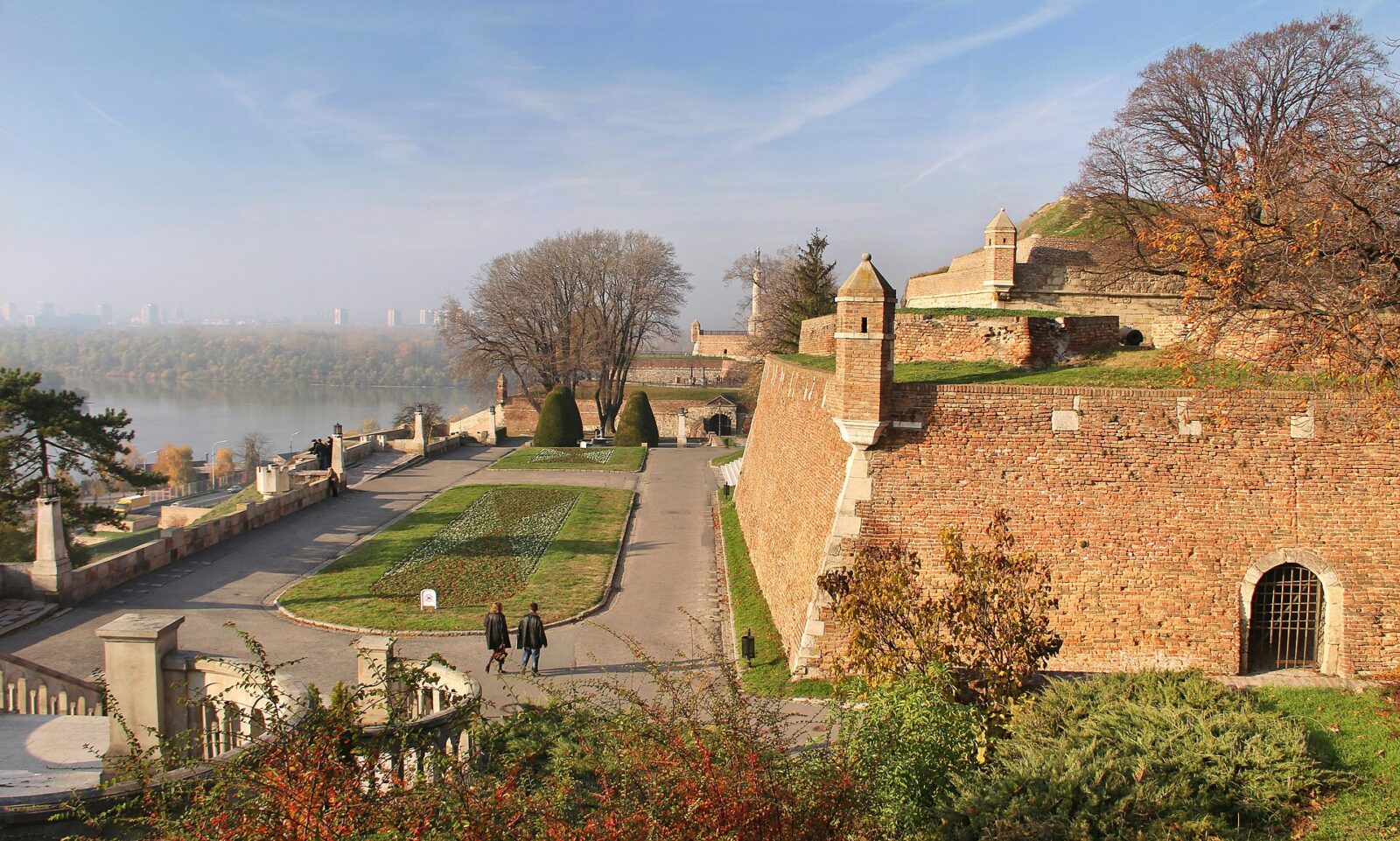
Seven days puts real limits on a Serbia trip, and naming them first saves you from building a plan you cannot finish. Belgrade takes three nights to see without rushing between museums. Beyond the capital, the country splits into two directions that don’t connect on the way through: the Danube gorge to the east, and a mountain corridor to the west running through Zlatibor, Mokra Gora and Tara. A week holds one of those, not both.
What follows is the shape that fits: three nights in Belgrade, a day trip to Novi Sad, then three days spent entirely east or entirely west. It holds together because it respects constraints that don’t bend to preference. Belgrade’s museums don’t share a closing day. No source documents public transport reaching Golubac or Donji Milanovac. Part of what the west offers only runs with a minimum group size, a season window, or a phone call placed in advance. These decide the itinerary before you touch a map, rather than getting discovered once you’re already there. Where a road exists but nobody publishes how long it takes, that gap is stated plainly rather than filled with a guess.
The short version. Three nights in Belgrade, one day at Novi Sad by fast train (36 minutes each way), then three days entirely east on the Danube or entirely west in the mountains, not both. Belgrade’s own transport is free and needs no ticket at all. Neither extension has documented public transport past Novi Sad, so you drive either one. Djerdap’s trails need advance notice except one; Uvac’s boat runs May to November on a minimum of four booked people; Lepenski Vir publishes no hours to plan around, so you call ahead instead.
On this page
Deciding between the Danube and the mountains
Serbia’s two strongest regions outside Belgrade sit in opposite directions, and a week does not comfortably stretch to both. The table below is the decision, not a summary of it.
| East, the Danube | West, the mountains | |
|---|---|---|
| What’s there | Golubac fortress, the Djerdap gorge road, Lepenski Vir | The Sargan Eight railway and Drvengrad, Tara National Park, the Uvac meanders |
| Getting in | No documented public transport past Belgrade; a car is the only way | Same past Zlatibor and Mokra Gora; no source publishes a driving time in from Belgrade |
| Book ahead for | Djerdap trail notice (all but one), Lepenski Vir by phone | Uvac’s boat (four-person minimum, May to November only), Sargan Eight tickets |
| Fits into | A single push, or two days with a night in Donji Milanovac | Three days, spread across three separately bookable stops |
If you have to decide before reading any further, the east asks less of your schedule: the eastern Serbia page covers it as either one long push from Belgrade or a two-day version with an overnight partway. The west asks for three days not because the roads are longer, but because its three stops are separately bookable and don’t share a season or a booking line.
Settling into Belgrade for three nights
The Belgrade page lays out the city in full: the old centre and Kalemegdan, Vracar with Saint Sava and the Tesla Museum, then across the river to Novi Beograd or Zemun. What decides how you order those three nights is a set of closing days that don’t line up with each other.
Working around the museum closures
The National Museum on Trg Republike is closed on Mondays. The Museum of Yugoslavia, including the House of Flowers where Tito is buried, is also closed on Mondays, under one gate and one schedule for the whole complex. At Kalemegdan, the Roman Well, the Gunpowder Magazine, the Military Bunker, the Casemates, the shop and the gallery run Tuesday to Sunday, so Monday closes them all; Nebojsa Tower runs Wednesday to Sunday, so it stays shut Monday and Tuesday both.
The Museum of Contemporary Art closes on a different day: Tuesday, not Monday. That makes it the one piece that can absorb whichever day the others cannot. The Tesla Museum closes on no day of the week at all, running 10:00 to 20:00 Tuesday to Sunday and 10:00 to 18:00 on Monday, which makes it a useful anchor for whichever day lands badly for everything else. It comes with its own conditions, though: you see it only on an hourly guided tour, and it takes cash in dinars, no cards.
If one of your three days falls on a Monday, spend it at the Museum of Contemporary Art and the Tesla Museum, and push the National Museum, the Museum of Yugoslavia and Kalemegdan’s ticketed sites to your other two days.
Moving around without paying
Belgrade’s city and suburban public transport has carried no fare since 1 January 2025, across the whole integrated network. There is nothing to buy, tap or show while that holds: the amendment that made it free also suspended tickets, travel cards, validation and inspection for as long as the policy stands. Plan your three days around what you want to see, not around how to pay to get there. Getting around Belgrade and where to stay go further into which parts of the city that reach easily.
Taking day four to Novi Sad
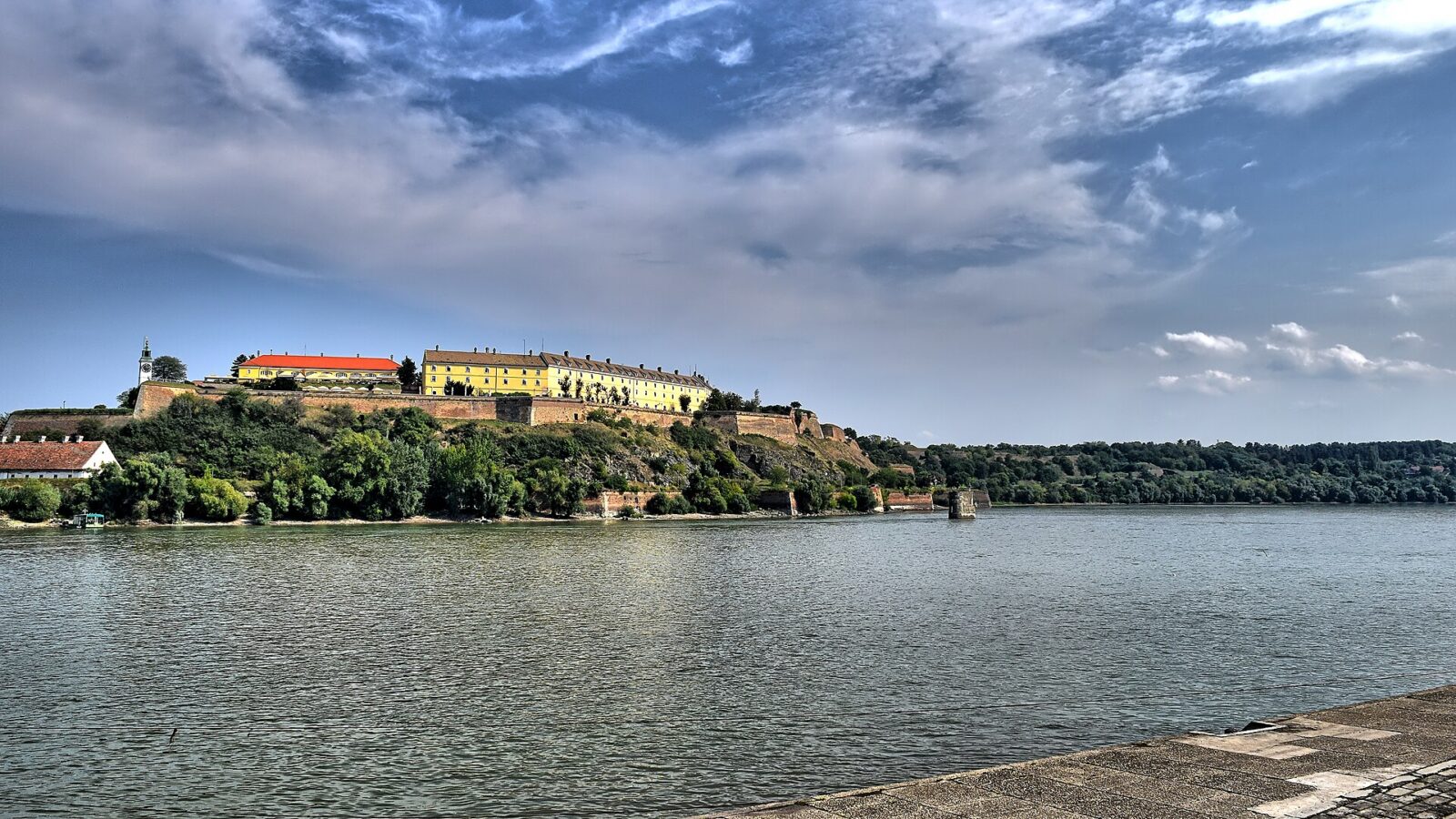
The fast train covers Belgrade to Novi Sad in 36 minutes, which makes this the easiest day of the week and the only one that needs no car at all. One detail changes your first ten minutes on arrival: only nine of these fast trains a day actually reach Novi Sad station itself. Thirty a day stop instead at Petrovaradin, on the opposite bank of the Danube, a run of 39 to 51 minutes. The two stations are not the same place, so check which one your specific train is booked to before you commit to a plan for the day. Belgrade to Novi Sad covers the booking and the stations in full, and Novi Sad in a day lays out how to spend the hours once you’re there, fortress included.
With an extra half day, Sremski Karlovci extends the trip without needing an overnight. There’s no direct train from Novi Sad station itself, but suburban bus line 62 alone runs about 25 departures each way on a weekday between 04:45 and 22:45, and trains calling at Petrovaradin or leaving directly from Belgrade reach Karlovci too. Fruska Gora begins just behind it if you want the day to run longer still.
Choosing the Danube for days five to seven
No source documents a public transport service reaching Golubac or Donji Milanovac: not an operator, a line number or a frequency. Golubac fortress‘s own operator points visitors toward a third-party timetable site that publishes nothing readable, and the local tourist office lists no bus station number of its own. That absence answers whether you need a car for this half of the week. You do.
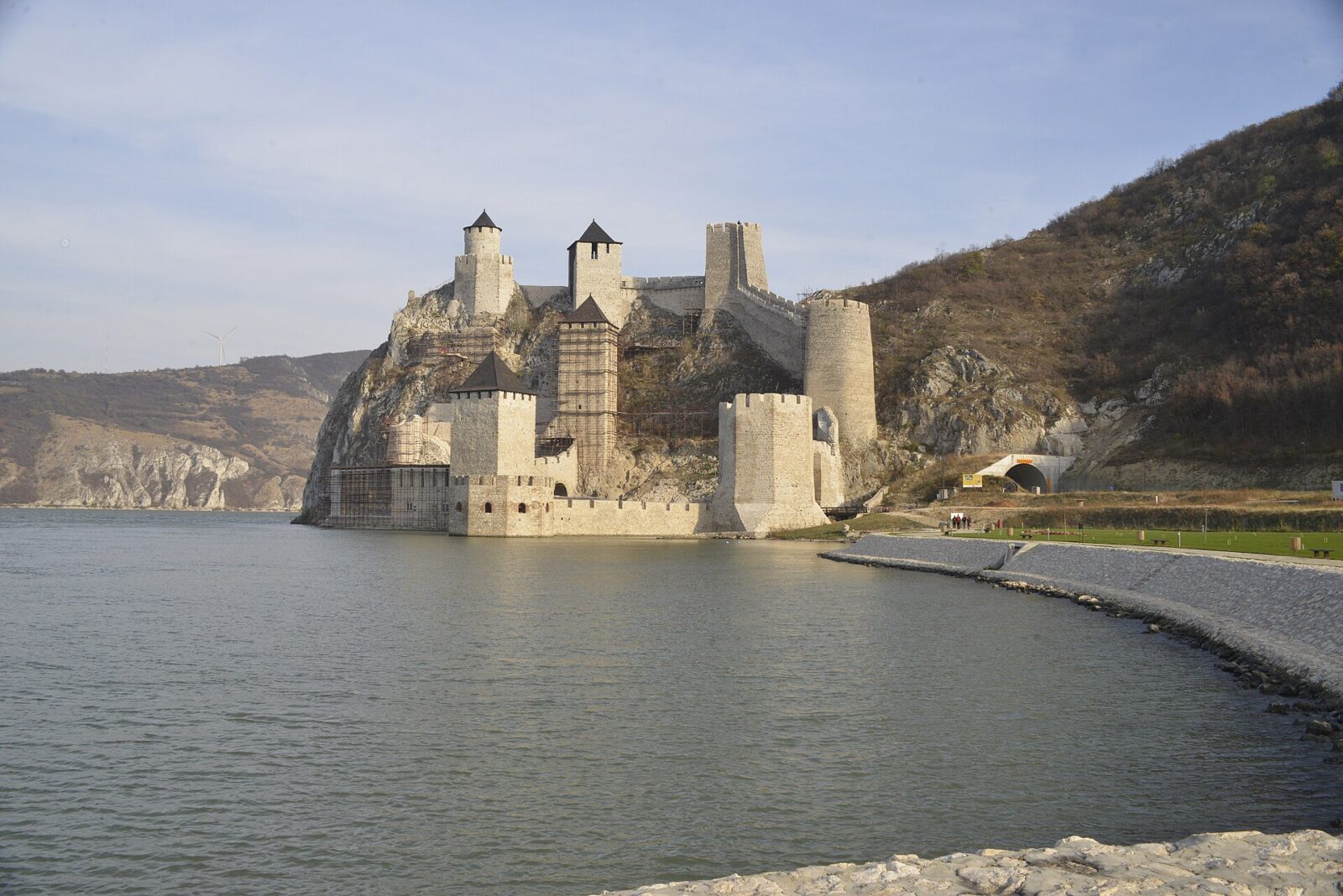
Djerdap’s trails ask for notice, with one exception. Every marked trail in Djerdap National Park other than Zlatno jezero sits inside the park’s strictest protection zone, where a visit must be organised and announced in advance. Ignoring a warden’s instruction there carries a fine of 5,000 to 150,000 dinars. Zlatno jezero itself is the exception: a flat 4-kilometre walk with a gentle 5 percent gradient and twelve interpretation panels, open daily with no notice needed.
Lepenski Vir, the site most people add at the end of this route, is the one place all week where the source itself goes quiet. The museum publishes full hours and prices for its four other sites on the same visitor page, and gives Lepenski Vir only a “how to reach us” block with two group-booking numbers, 030 501 501 and 030 501 389: no price, no hours, no stated closing day. That silence isn’t evidence the site is free, closed, or open on any particular day, so call ahead if it needs to be on your day rather than a maybe. The eastern Serbia page sets out how the three stops chain together, as one day or two.
Choosing the mountains for days five to seven
The western half asks for three days because it holds three separately bookable stops rather than one long drive. Zlatibor works as the base for all three, with the beds and the road links to reach each one.
Riding the Sargan Eight and Drvengrad
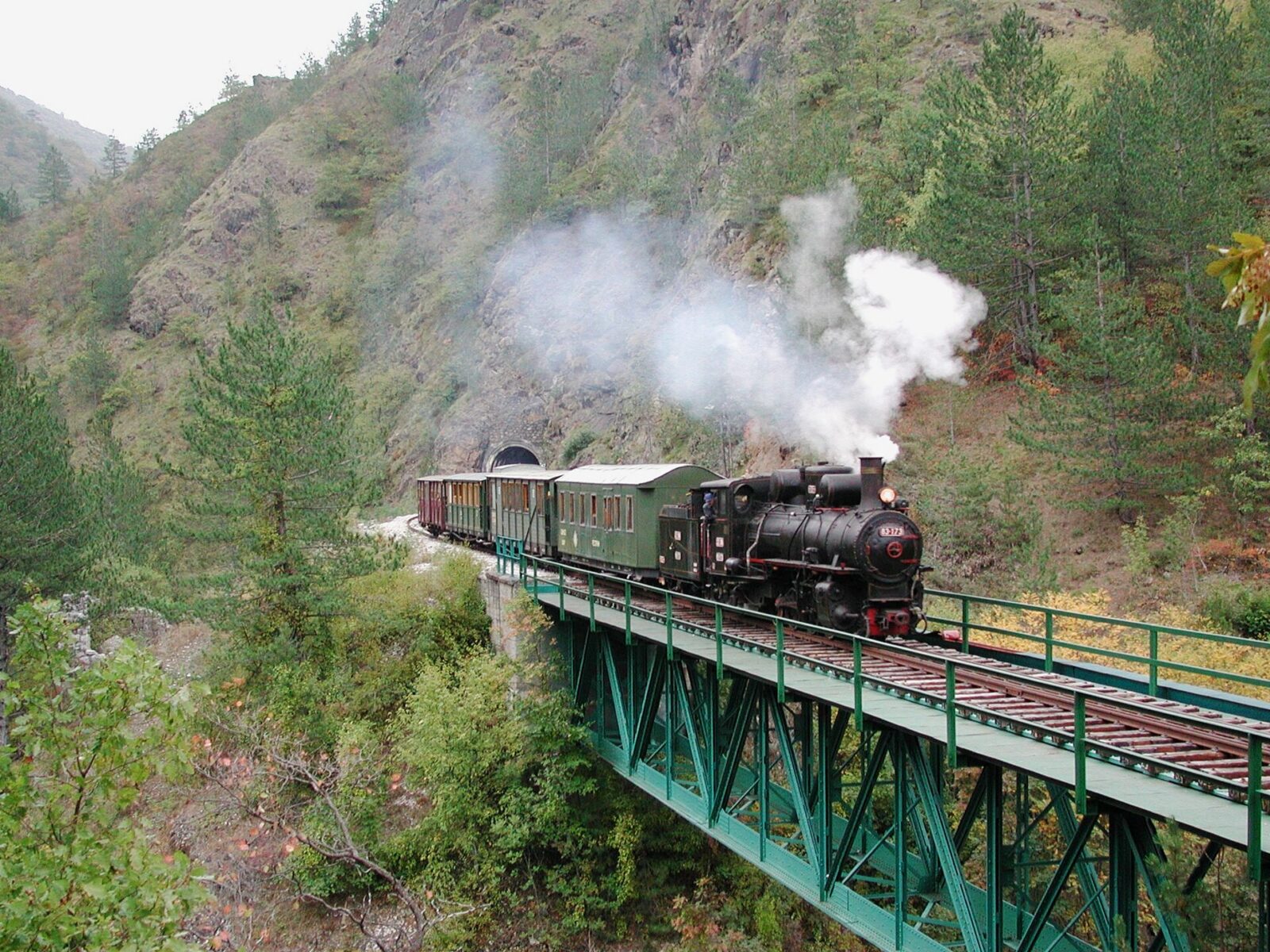
The 2026 summer service on the Sargan Eight narrow-gauge line runs Mokra Gora to Sargan Vitasi, with departures at 10:30 and 13:30, plus a third at 16:10 daily from 15 June to 1 September. From 1 to 15 November the train runs the shorter Mokra Gora to Jatare stretch instead, at 11:45. A widely repeated 08:00 departure does not appear on this schedule at all. A return ticket costs 1,500 dinars for an adult in summer, 750 for a child over 6, free under 6 without a separate seat; the winter Jatare run is a flat 1,000 dinars. Sales open a month ahead, at the Mokra Gora ticket office or by phone.
Drvengrad, the wooden village nearby, is run by Lotika d.o.o., the company founded by film director Emir Kusturica. Its own site publishes no day admission price on any page, which is silence rather than a stated free entry, so budget for a possible charge at the gate. Inside sit a working cinema, a small ski slope reached by minibus, a working farm with native Gatacko cattle, and the Korto Maltese gallery, open 10:00 to 18:00.
The only distance figure for this drive comes from the village itself, and it contradicts itself. Neither the park nor any road authority publishes a driving distance or time from Belgrade into the Mokra Gora area. The one number that exists comes from Drvengrad’s own route-planner tool, which lists three road options: 197, 235 and 243 kilometres, the last one confusingly labelled “shortest route” despite being the longest. None carries a driving time. Read this as roughly 200 to 245 kilometres by road depending on the route, not a single reliable figure, and plan the drive with a margin rather than a clock.
Reaching Tara and the Drina
Tara National Park was declared in 1981 and covers almost 25,000 hectares of the Tara and Zvijezda mountain massif on the border with Bosnia and Herzegovina, rising to 1,591 metres at Kozji rid. Roads in run from Belgrade via Valjevo, or via Cacak, Uzice, Kremna and Mokra Gora toward Visegrad; a direct coach, Raketa AB, also runs Belgrade to Bajina Basta and on to Tara several times daily. The park’s own page calls all of that purely indicative and gives a phone number, 031/865-485, for confirmation before you rely on it. Beyond that coach and the forest roads, the park itself runs no public transport.
Once inside, a day-use charge of 100 dinars per person applies, 50 for ages 7 to 18, with viewpoints, gorges and caves priced separately at 250 dinars, paid to a warden at the entry point or booked online in advance by number plate. Banjska Stena, one viewpoint reached by two marked trails or a gravel road 6 kilometres from Mitrovac, looks out over Lake Perucac and the Drina canyon from 1,065 metres; whether the general viewpoint charge applies to it specifically isn’t stated anywhere. Downstream, Lake Perucac and the small riverside house known as Kucica na Drini round out a half day here, covered in full on the Tara and Drina page.
Booking the Uvac boat
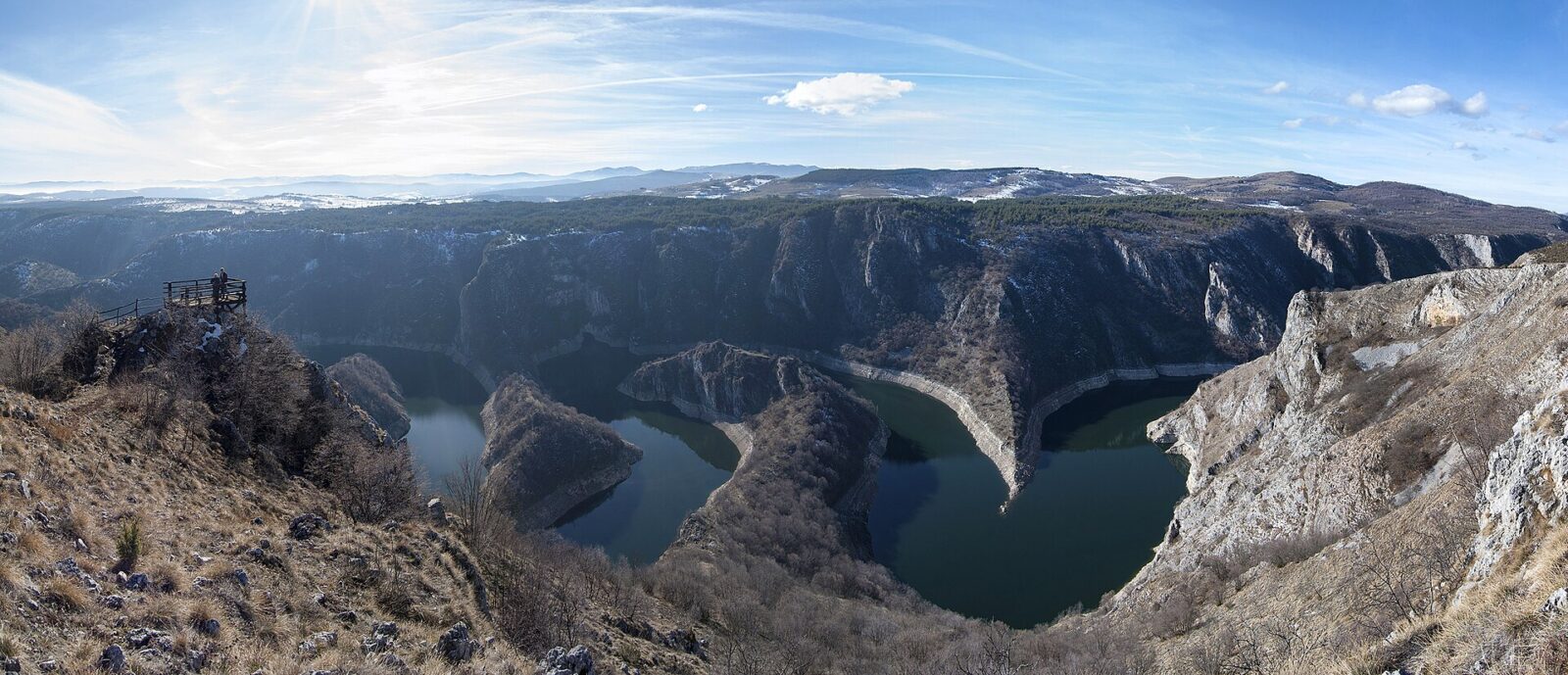
Uvac‘s tourist boats run only from 1 May to 15 November; outside that window, nothing goes out on the water at all. Rezervat Uvac d.o.o., based in Nova Varos, is the sole organiser and controls every departure point, so there’s one office to book with rather than several to compare.
Turning up without a booking can mean no boat at all. An individual trip runs only with a minimum of four participants over eight years old, and visits must be booked in advance on 033 64 198, weekdays 08:00 to 16:00. A couple who arrives unannounced has no assurance of getting on the water that day. Build the call into your plan before you build the drive.
Once booked, a per-person trip from Krstac or Markova ravan costs 1,800 dinars with the ice cave included, or 2,200 with a viewpoint added. Whole-boat hire runs from 12,000 dinars for two hours up to 20,000 for four, for up to twelve people, worth comparing against the per-person rate if your group falls short of four.
Renting a car for whichever half you pick
A car is not optional for either direction beyond Belgrade and Novi Sad, so settle the paperwork before the itinerary. A foreign national driving licence or an international permit covers a visitor for the length of a stay, on condition of reciprocity with the issuing country. Vehicles registered in 34 listed countries, covering the EU, the UK, Switzerland, Norway and several neighbours, no longer need a green card at the border under a multilateral agreement; that list carries no date, so confirm with your own insurer rather than assume. Driving in Serbia goes further into both.
Speed limits run 50 km/h in built-up areas, signable up to 80, then 80 on other roads, 100 on expressways and 130 on motorways, with a caravan in tow capped at 80. The blood alcohol limit is 0.2 mg/ml, dropping to zero for motorcycle riders, drivers of heavier vehicles or public transport, and learner or probationary licence holders. Motorways charge by section rather than a vignette: the Belgrade to Novi Sad stretch alone costs 340 dinars for a car, paid in cash, dinars or euros, or by card at the barrier.
Paying and connecting as you go
Payments inside Serbia settle in dinars by law, whatever a price is quoted in; money and budgeting goes further into cards, cash and withdrawals. A prepaid SIM requires identity registration since February 2025, with a passport number expressly accepted, done online or in an operator’s shop before the number activates. SIM and eSIM covers the options for a week-long stay.
Common questions
Do I need to pick east or west before I land in Belgrade?
Not immediately. The choice mostly affects days five to seven, so you can decide during your three Belgrade nights once you know the weather and how the museum closures have shaped your schedule. The one thing worth fixing earlier is a phone booking: Uvac’s boat and the Sargan Eight railway both take advance reservations, so settle on a direction before those calls need making.
What if my flight lands on a Sunday?
That works in your favour rather than against it. A Sunday arrival gives you Monday as your first full day, which is exactly the day to spend at the Museum of Contemporary Art, closed Tuesday instead, and the Tesla Museum, which has no weekly closure at all. Save the National Museum, the Museum of Yugoslavia and Kalemegdan’s ticketed sites for your other two Belgrade days.
Do I need a rental car for the Belgrade and Novi Sad half of the week?
No. Belgrade’s own public transport carries no fare, and the fast train covers Novi Sad in 36 minutes without a booking wait. A car only becomes necessary once you commit to the eastern or the western extension for days five to seven.
Can I fit Sremski Karlovci in without adding a night?
Yes, as a half-day extension onto day four rather than a night of its own. Suburban bus line 62 alone runs about 25 departures each way on a weekday, and several trains calling at Petrovaradin or leaving Belgrade directly reach Karlovci too. There is no direct train from Novi Sad station itself, so plan the bus or one of those other trains rather than assuming a straight rail connection.
What if my group is only three people at Uvac?
An individual trip needs a minimum of four people over eight years old, so three on their own cannot book one. The alternative is whole-boat hire, which starts at 12,000 dinars for two hours regardless of how many of the twelve seats you fill, and works out close to the per-person rate once split three ways.
Nearby
Before booking anything, travel essentials covers entry rules against your own passport, and when to visit sets out why May, June and September suit this itinerary better than a winter version of it. Belgrade airport to city and where to stay in Belgrade cover what this page skips over, and eating in Belgrade fills the three nights once the museums close.
This week leaves out the south of the country and Nis entirely. That is a deliberate cut rather than an oversight: fitting a third region into the same seven days turns a workable week into a rushed one.