
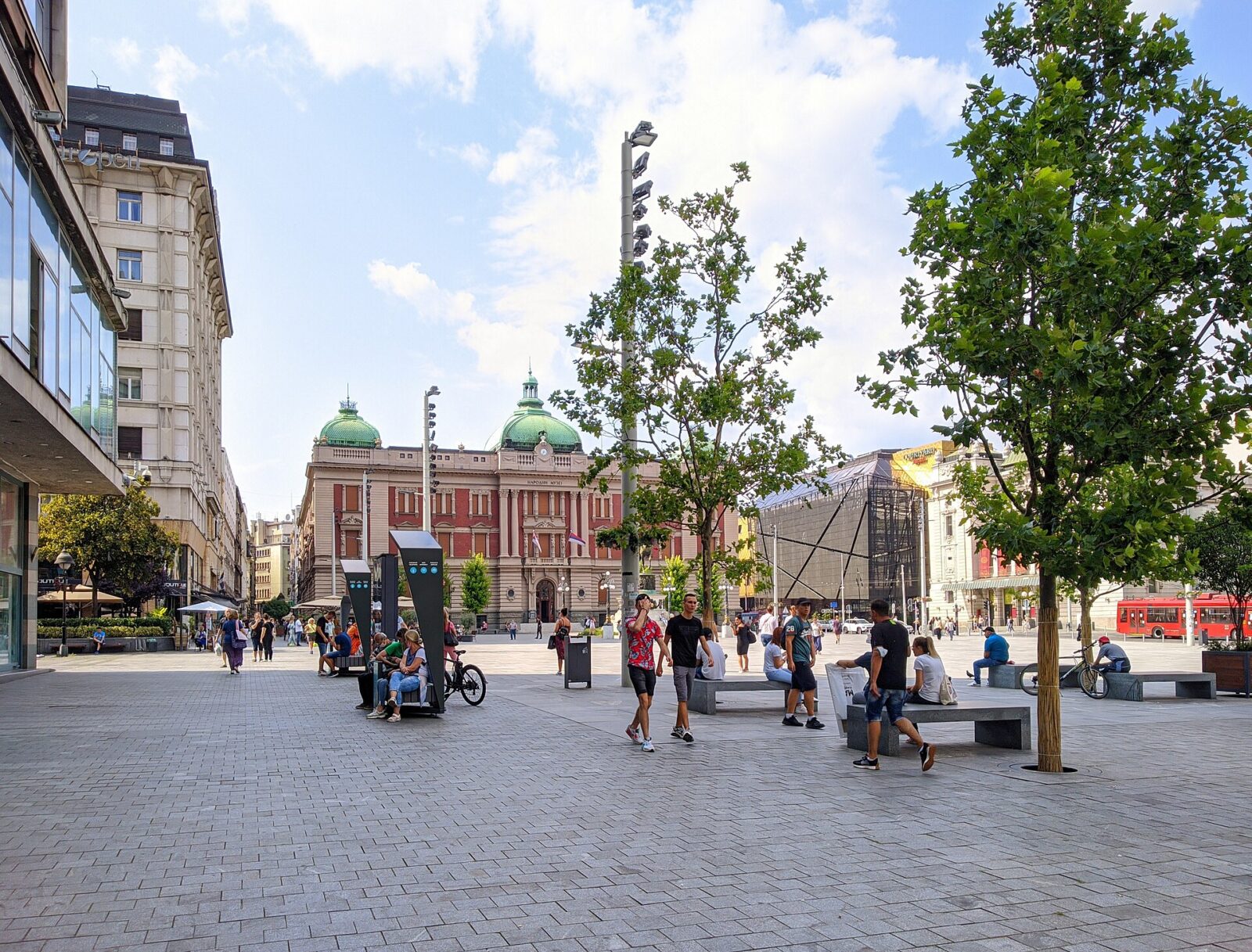
Two governments publish a standing opinion on how safe Serbia is for their own citizens to visit, and neither currently tells them to stay away. That is the short answer to the question in the title. What follows is the long one: what each advisory actually flags, where they agree, and where the record runs out and this page says so rather than guessing.
This page carries no opinion of its own about Serbia. It reports what the UK Foreign, Commonwealth & Development Office (FCDO) and the US Department of State currently publish, checked on 9 September 2026, and nothing beyond that. Where an advisory stays silent on something you might reasonably ask about, this page says so instead of filling the gap.
Read only your own government’s advisory and you will miss what the other one flags. The two overlap on demonstrations and street crime, and diverge on emphasis elsewhere, which is why both are worth fifteen minutes before you pack.
The short version. Neither the FCDO nor the US Department of State currently advises against travel to any part of Serbia; the State Department rates the country Level 2, Exercise Increased Caution, because of crime. Mass gatherings and demonstrations happen in Belgrade and other towns, sometimes at short notice, and can disrupt public transport. Pickpocketing targets tourist areas, airports and public transport. Photographing military or police sites, personnel or vehicles can lead to arrest. Emergency numbers: 112 for all emergencies, 194 ambulance, 193 fire, 192 police. Both advisories can change without notice, so check the source directly before you travel, not this page.
On this page
What do the official advisories say right now?
The FCDO’s Serbia guide showed as “still current” on 9 September 2026, with its most recent substantive update dated 13 August 2026. That update was about longer waits at Serbia’s Schengen borders under the EU’s new Entry/Exit System, not a change to the security picture. None of the guide’s sections, checked individually, carries a warning against all travel or against all but essential travel to any part of Serbia.
The US Department of State’s own advisory pages were not reachable directly during this check; its access is filtered by an automated verification step that this collection could not get past. The US Embassy in Belgrade mirrors the same rating on its own site: Level 2, Exercise Increased Caution, citing crime as the reason, with no change to the level or its underlying risk indicators as of early September 2026.
| Source | Current position | As of |
|---|---|---|
| UK FCDO | No warning against travel to any part of Serbia | Still current 9 Sep 2026, updated 13 Aug 2026 |
| US Department of State (via US Embassy Belgrade) | Level 2: Exercise Increased Caution, due to crime | 4 Sep 2026 |
Level 2 sits on a four-level State Department scale, below Level 3 (Reconsider Travel) and Level 4 (Do Not Travel). It is the same tier the Department applies to a long list of destinations most travellers would not think twice about, so treat it as a baseline instruction to pay attention, not as a country flagged for avoidance.
How to check the advisory yourself
Both advisories are living documents, and both can move before your trip does. Read the FCDO’s Serbia guide directly at gov.uk, and the State Department’s own at travel.state.gov if it loads for you; it did not load for this collection, which used the Belgrade embassy’s mirror instead. Neither substitutes for the other’s own site, so try both a week or two out from departure rather than relying on what this page said in September 2026.
If you hold a passport from a country other than the UK or the US, your own government almost certainly runs the same kind of advisory. Canada, Australia, Ireland and most EU states publish one for Serbia; check yours specifically; the risk assessment behind it may weigh things differently than either source used here.
Who to call if something goes wrong
| Need | Number |
|---|---|
| All emergencies | 112 |
| Ambulance | 194 |
| Fire | 193 |
| Police | 192 |
| Roadside assistance | 1987 |
| US citizens, US Embassy Belgrade | +381-11-706-4000 |
The first four numbers come from the FCDO’s own list for Serbia. The roadside assistance number appears only in the FCDO’s text; this page could not cross-check it against a Serbian motoring body, so treat it as a starting point rather than a guarantee it still rings through. The embassy line is for US citizens who need consular help, day or night; it is not a general emergency number and should not replace 112.
Weighing the terrorism risk the FCDO mentions
The FCDO states that terrorist attacks in Serbia cannot be ruled out, that any attack could be indiscriminate, including in places visited by foreigners, and that religious sites, churches included, could be a target. It also notes that security is sometimes increased during festive periods and major events that draw large crowds. It cites a single incident to date: in June 2024, a lone attacker fired a crossbow at a police officer outside the Israeli Embassy in the Savski Venac area of Belgrade. That is the extent of what the advisory documents; it does not describe a pattern beyond that one event.
Watching for demonstrations and street closures
Mass gatherings and demonstrations are an ongoing feature of Belgrade and other Serbian towns and cities, according to the FCDO, and they can start with little warning. They have disrupted public transport and mobile phone networks on past occasions. Most stay peaceful; the FCDO notes that some have turned violent, with the potential to escalate quickly.
The advice that follows from that is plain: keep up with local news while you are there, build some slack into your plans in case a route or a square is closed, stay away from an area where a demonstration is under way, and leave immediately if a crowd turns disorderly or violent. The US Embassy in Belgrade backs the same picture from its own side: it has issued a recurring series of dated demonstration and security alerts roughly every one to two months through 2025 and 2026, which matches the FCDO’s description of gatherings that can happen at short notice rather than on a predictable calendar.
Guarding against pickpockets and street crime
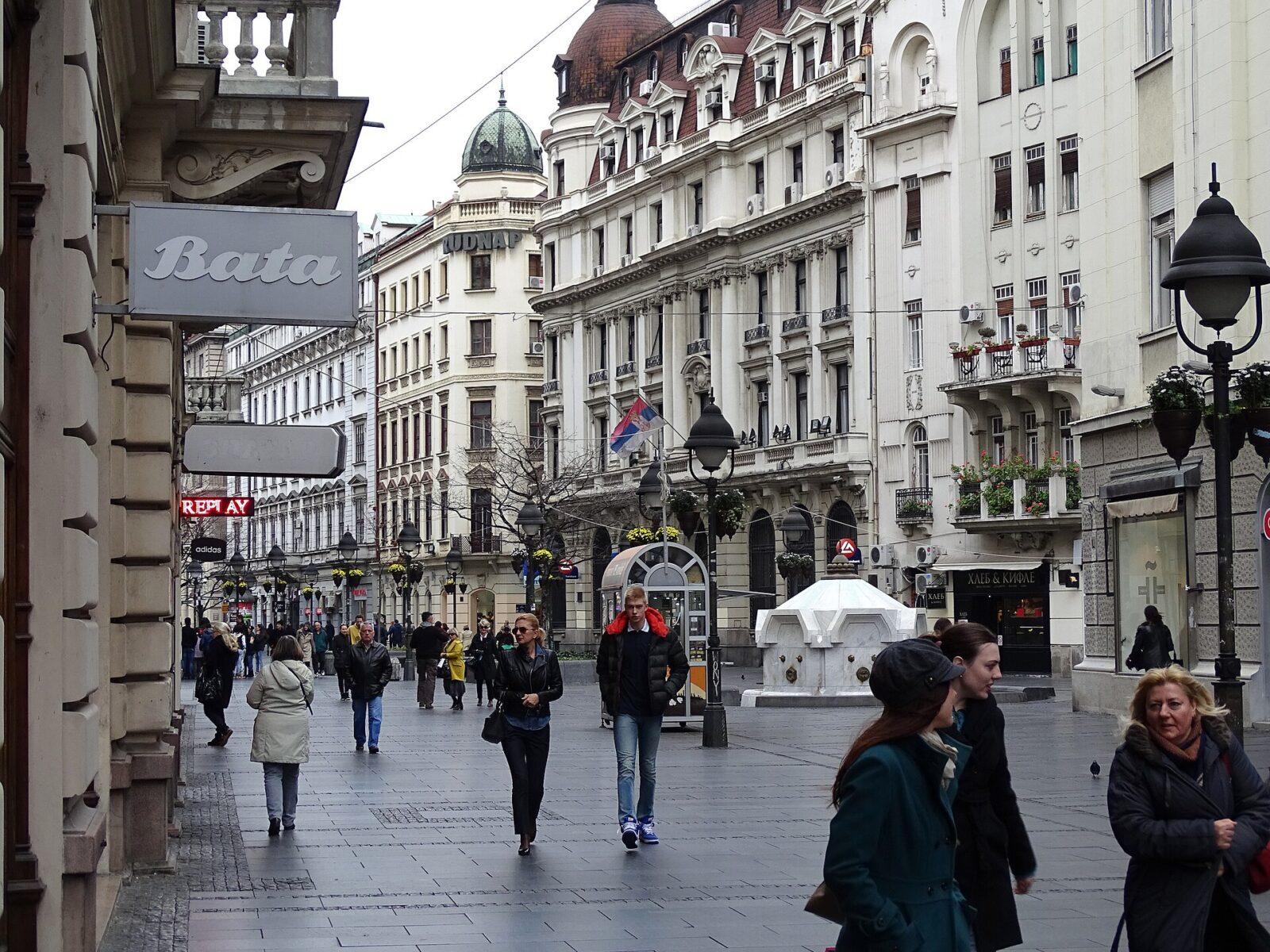
The FCDO’s crime advice for Serbia centres on pickpocketing, particularly in larger cities: tourist areas, airports, public transport and motorway service stations are the places it names specifically. It also warns that criminals may assume a foreign visitor is carrying more cash than a local would, and that four-wheel-drive and luxury vehicles draw their own attention.
On taxis, the FCDO’s advice is to use only registered ones, identifiable by a municipal registration number shown alongside the cab’s own number, and to call a radio taxi rather than hail one on the street. It adds that most operators speak English, which removes the usual excuse for skipping the call.
What happens around a Red Star-Partizan derby
If your visit lines up with a football fixture, the FCDO flags a specific risk: some sporting events have seen violence and petty crime, particularly in and around Belgrade derbies between Red Star and Partizan. It advises extra care in and around stadiums while a match is on, and warns that leaving a venue afterwards can involve significant delays, since security protocols separate rival fan groups. Transport in the area may also be disrupted; for international fixtures, buses are usually laid on for the away supporters specifically.
Carrying ID, and what you cannot photograph
The FCDO tells its own nationals to always carry a passport for identification while in Serbia, or a residence ID card if they live there, and to keep a copy separately in a safe place. This is the FCDO’s own framing of the point, not a direct citation of Serbian law, so treat it as sound travel practice rather than a formality specific to one nationality.
Do not photograph military or police sites, personnel or vehicles. The FCDO warns that doing so anywhere in Serbia may lead to arrest or to difficulties with the authorities. It separately notes that Serbian airports use technology to scan transiting passengers’ baggage for illegal items, which is worth knowing if you are connecting through rather than starting or ending your trip in the country. Drug penalties are strict too: the FCDO warns of strict penalties for possessing or trafficking drugs, cannabis included, with no leniency implied for small amounts.
Reading the landmine warning correctly
This one applies to a specific corner of the country, not to Serbia generally. The FCDO warns of some remaining danger from unexploded landmines and bombs left from the 1999 Kosovo conflict. It places most of the affected areas in the mountains to the north and east of Kosovo, meaning inside southern Serbia near the administrative boundary, not anywhere near Belgrade, Novi Sad or the usual tourist routes. Where it does apply, the advice is to take special care, keep to marked roads, never touch anything that looks suspicious, and report it to the police; thick vegetation covers most of the affected ground and hides it from view.
Driving the roads officials flag as risky
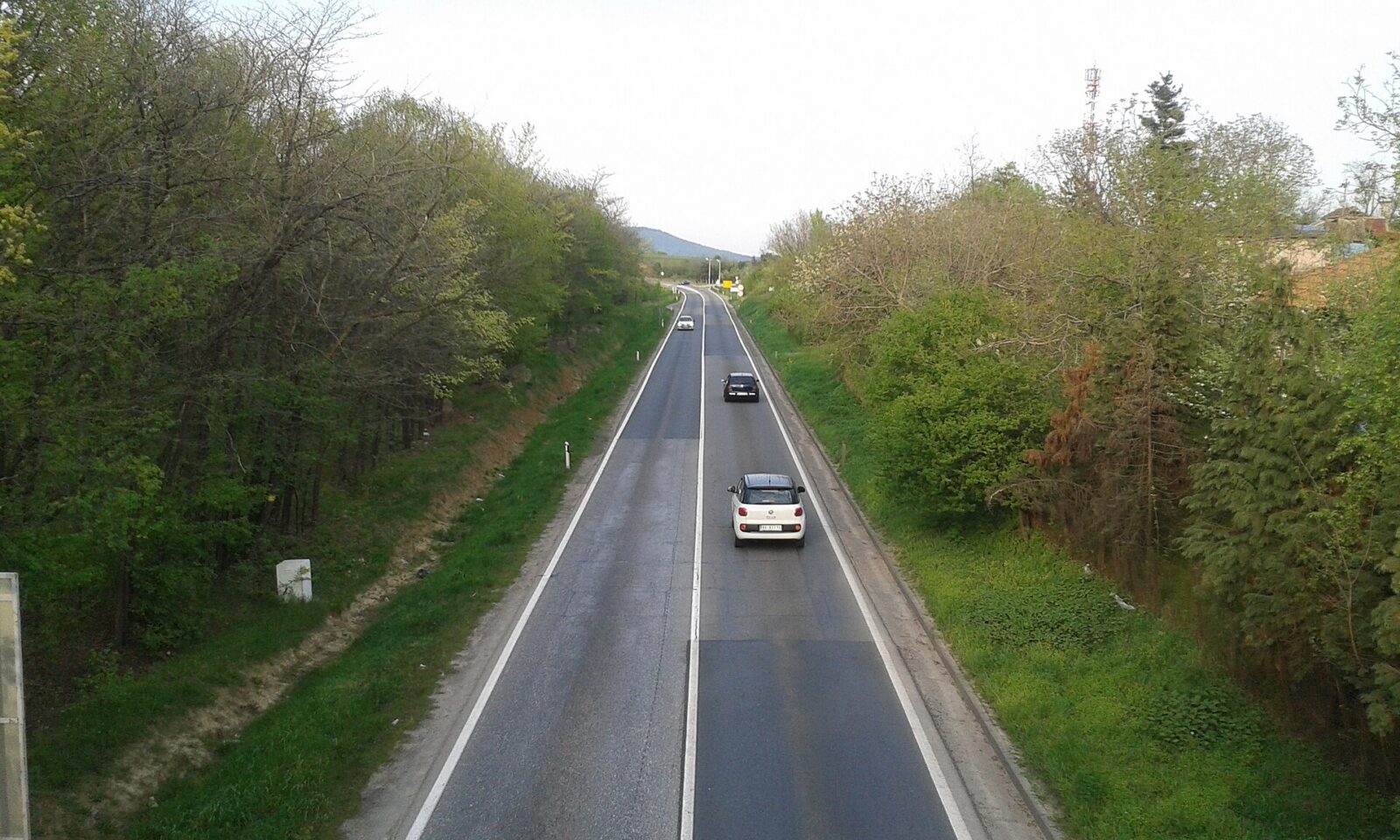
The FCDO describes the general standard of Serbian roads as varying widely, worse in rural areas and worse again after bad weather. It names one road specifically as particularly dangerous: the Ibarska Magistrala, which links Belgrade to Montenegro by way of Cacak and Uzice. If your route touches that corridor, budget more time than the map suggests, and expect surface and visibility to change without warning.
One detail here applies only to UK nationals: a UK photocard driving licence covers a series of short visits over a year, or one continuous stay of up to six months, after which a local licence becomes necessary; the FCDO recommends carrying the 1968 international driving permit as well, since Serbian police recognise it. If you hold a licence from elsewhere, this specific rule is not yours, so check your own government’s advice on driving abroad rather than assuming it carries over.
Travelling as an LGBT+ visitor
Same-sex sexual activity is legal in Serbia, and anti-discrimination laws exist, according to the FCDO, which also points to LGBT+ friendly hostels, clubs and events in Belgrade specifically. Against that, it warns that public prejudice against LGBT+ people is still relatively high, and that showing affection in public could draw unwanted attention. Read the two halves of that together rather than either one alone: the legal position and the social one are not the same thing here.
What we could not confirm
This page tried to find official Serbian crime or public-safety statistics that could stand alongside the two foreign-government advisories above, rather than leaning on them alone. The Statistical Office of Serbia’s published theme list does not include a crime, safety or policing category in English, only a judiciary section covering court caseloads, which measures something different. The Ministry of Interior’s general pages, checked for this and an earlier collection, do not publish crime figures either.
That gap is left open rather than filled with a number from somewhere else. If a statistical picture matters more to you than a narrative one, no official Serbian source found for this page currently offers it in a form we could cite; the FCDO and State Department advisories above are, as far as this check could establish, the most current dated word on the subject.
Common questions
Is Serbia currently on a do-not-travel list?
No. As of 9 September 2026, the FCDO carries no warning against travel to any part of Serbia, and the US Department of State rates it Level 2, Exercise Increased Caution, two tiers below its Do Not Travel level. Check the current advisory yourself before you go, since either can change.
What number do I call in an emergency?
112 covers all emergencies. The FCDO also lists 194 for ambulance, 193 for fire and 192 for police specifically, and 1987 for roadside assistance, though that last one comes from a single source we could not cross-check.
Should I be worried about the demonstrations I’ve read about?
They are a real and ongoing feature of Belgrade and other cities, and both the FCDO and the US Embassy treat them as routine enough to track separately rather than as a one-off. Most stay peaceful. The practical response is to follow local news, avoid the area of a demonstration, and leave if it turns disorderly, not to avoid the country over it.
Can I take photos of police or military vehicles?
No. The FCDO warns that photographing military or police installations, personnel or vehicles anywhere in Serbia may lead to arrest or to difficulties with the authorities. There is no exception stated for tourists.
Is Serbia safe for LGBT+ travellers?
Same-sex activity is legal and anti-discrimination laws exist, and Belgrade has LGBT+ friendly venues and events, according to the FCDO. It also warns that public prejudice remains relatively high and that public displays of affection could draw unwanted attention, so the legal picture and the social one are worth weighing separately.
Related guides
Serbia travel essentials covers entry formalities from official sources, the natural next stop after an advisory. Serbia in 7 days sets out a realistic pace if you are still building your route. If public transport disruption during a demonstration would affect your plans, getting around Belgrade covers the network itself, and renting and driving a car in Serbia goes further into what a self-drive trip involves, licence rules included.