
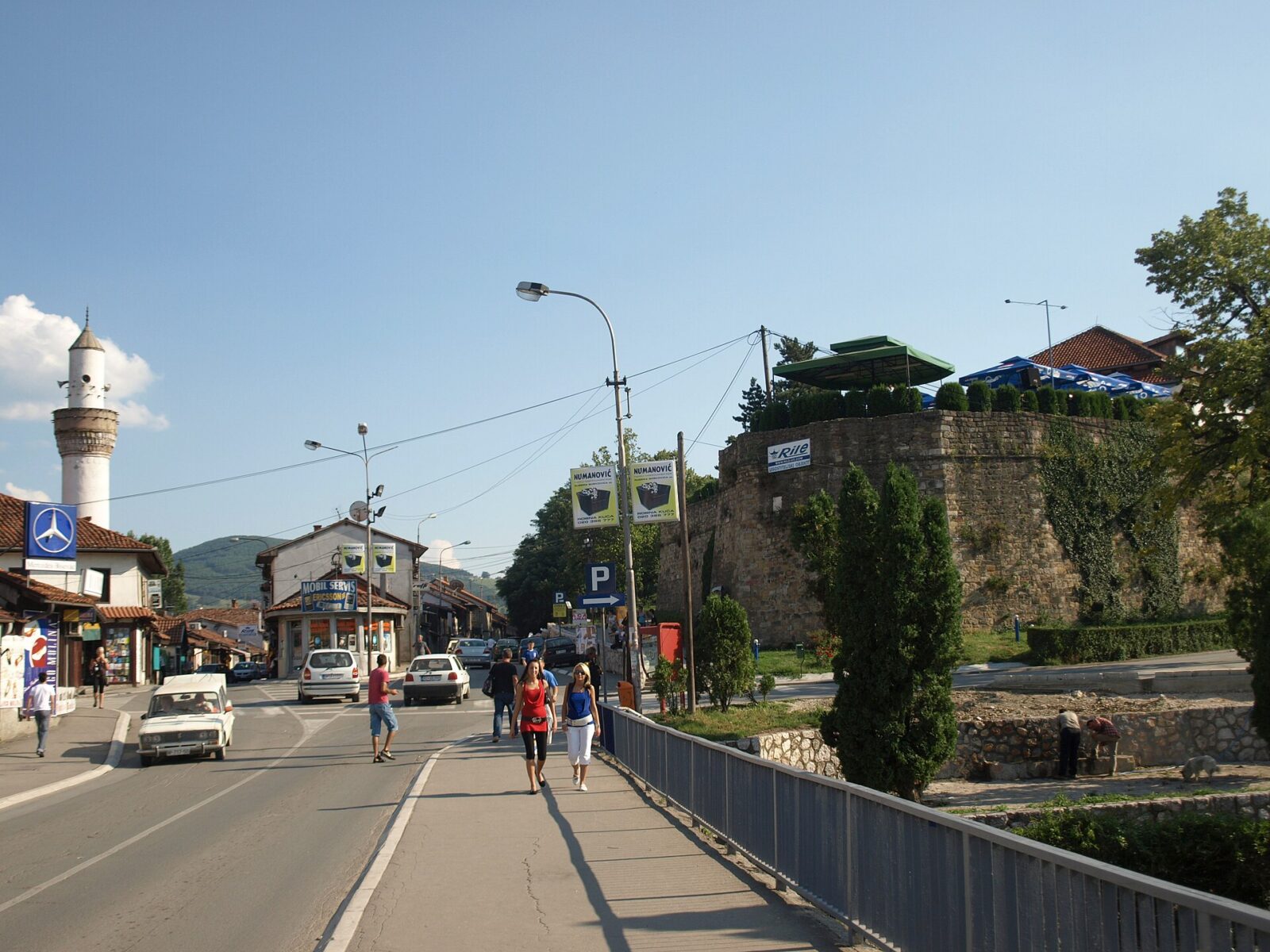
Novi Pazar earns its place on your route because of what sits around it, not because of a single sight inside it. It works as the base for reaching the Stari Ras area, the cluster of medieval monasteries and fortifications southwest of the city, and it holds a genuinely Ottoman old town of its own: a fortress turned park, a sixteenth-century mosque, and a working bathhouse that predates all of them by nothing at all, since it was built in the same century.
Getting here shapes the visit more than anything else does. There is no railway, the bus network runs on its own logic, and the old town’s mosques and churches publish almost nothing about when you can visit them. None of that makes Novi Pazar hard to reach or unwelcoming once you arrive. It just means you plan the practical side before you plan the sightseeing.
You will notice the difference from Belgrade quickly. This is a smaller, more compact city, with a visibly mixed religious heritage, Ottoman-era buildings standing close to newer construction, and a slower pace than the capital’s tourist circuit. Most people who come this far are not here for Novi Pazar in isolation; they are using it, correctly, as the last comfortable base before a rural stretch of central Serbia with far fewer services.
The short version. Novi Pazar is 290 km from Belgrade by the old road via the Ibar highway; there is no train, so the bus is your only public option, at around 1,500 dinars and four to five hours. The city’s fortress interior is now an open park with no ticket booth. Altun-Alem mosque dates from 1516 to 1528 and carries top-tier protected status. The Old Novi Pazar Spa hamam still runs as a working bath with separate men’s and women’s sessions. None of the city’s mosques or churches publish visiting hours, and no source gives a distance from here to Sopocani monastery.
On this page
Getting to Novi Pazar
The city’s own tourist board puts the road distance from Belgrade at 290 km, travelled via the old road that runs through the Ibar highway toward Podgorica and the Adriatic. That is the figure the office itself uses, and its page does not mention any newer expressway route, so treat 290 km as the old-road distance rather than a shortcut you might find on a map app.
By bus, because there is no other public option
Novi Pazar has no railway station at all. The nearest one is in Raska, connected to Novi Pazar by bus, though the tourist board’s page does not say how far that link runs or how often it departs. The bus, by contrast, is well served: the city’s page lists it as well connected to Belgrade, Kragujevac, Kraljevo, Podgorica and Sarajevo, with the Belgrade journey taking four to five hours depending on the carrier and costing around 1,500 dinars.
| Departure (Novi Pazar to Belgrade) |
|---|
| 05:00 |
| 10:00 |
| 11:30 |
| 13:30 |
| 17:30 |
| 00:00 |
| 00:25 |
That grid is published as the outbound schedule from Novi Pazar; the tourist board’s page does not separately list the return departures from Belgrade. Book at the Novi Pazar bus station itself if you need the Belgrade-bound times confirmed, on 020/318-354.
No carrier is named. The tourist board’s own page says only that journey time varies “depending on the carrier,” without naming which company or companies run the route or where to book online. Ask at the bus station rather than looking for a single operator’s website.
By air, if you are connecting onward
Three airports sit within reach, according to the same source: Morava Airport near Kraljevo at 115 km, Pristina International at 175 km, and Belgrade Nikola Tesla at 268 km. None of these figures include a transfer option or a fare, so treat them as distances to plan a rental or a taxi around, not as a booked route.
A rental car changes the calculation considerably, since it removes the bus schedule and the missing carrier name from the equation entirely, and it is the only practical way to reach Sopocani and Studenica if their own connections turn out to be as thin as this guide found them. If you are weighing that option, read the general conditions and paperwork first rather than assuming your home country’s rules carry over.
Walking the old town
Novi Pazar’s Ottoman-era core sits close together, so a walking loop covers most of it without needing transport once you are in the city.
The fortress, now a park
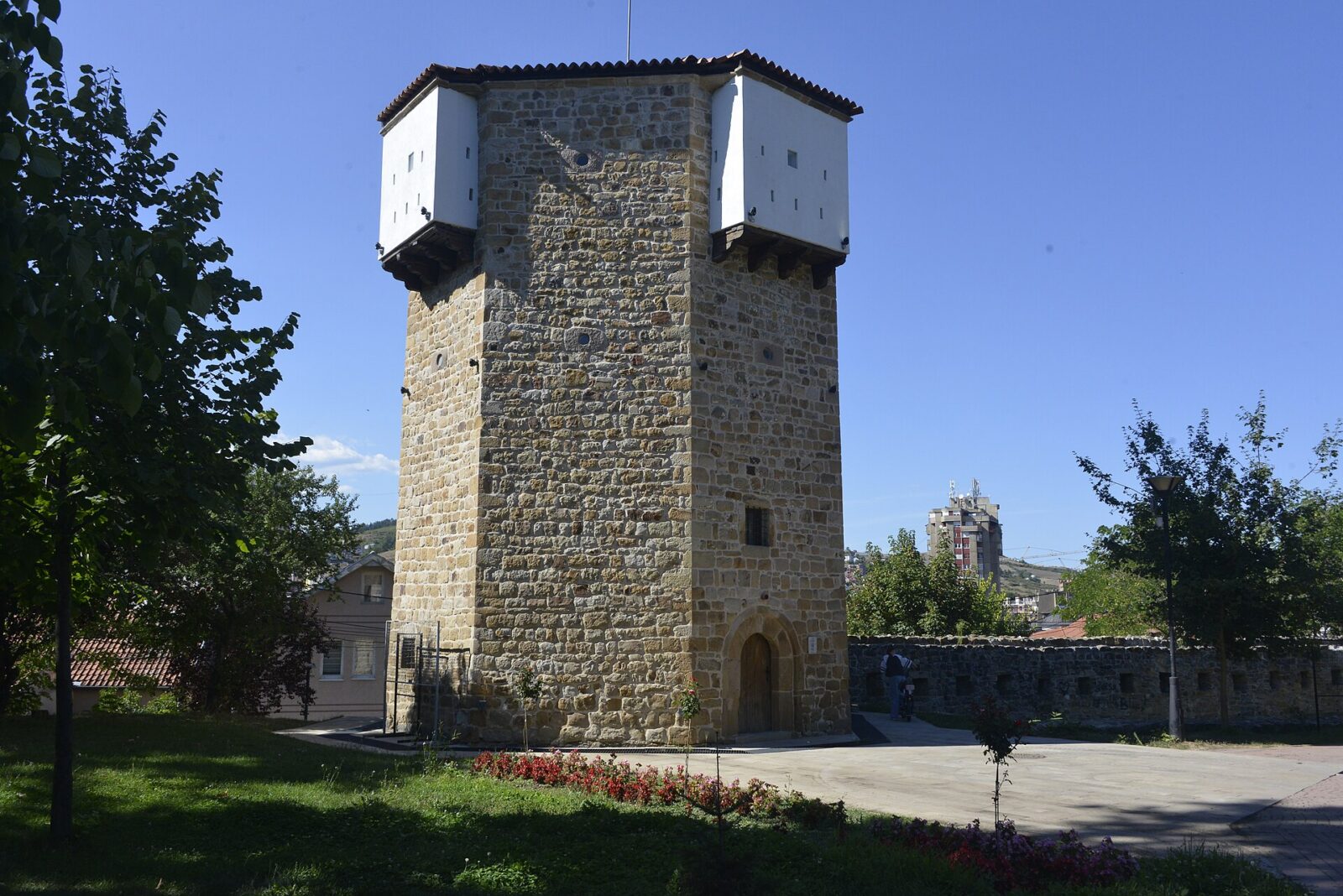
Novopazarska tvrdjava, the city fortress, forms part of a single protected ensemble together with the old bazaar and the Altun-Alem mosque complex, categorised as immovable cultural property of exceptional significance for Serbia. Its triangular bastion layout survives, with the watchtower, Kula motrilja, as its visible landmark. The tourist board describes the interior as now used as an open park, and its page names no ticket booth, no opening hours and no admission fee. That description does not amount to a statement that access is unrestricted at every hour, so do not plan on it being open around the clock; it simply is not run as a ticketed monument the way some Serbian fortresses are.
Altun-Alem mosque
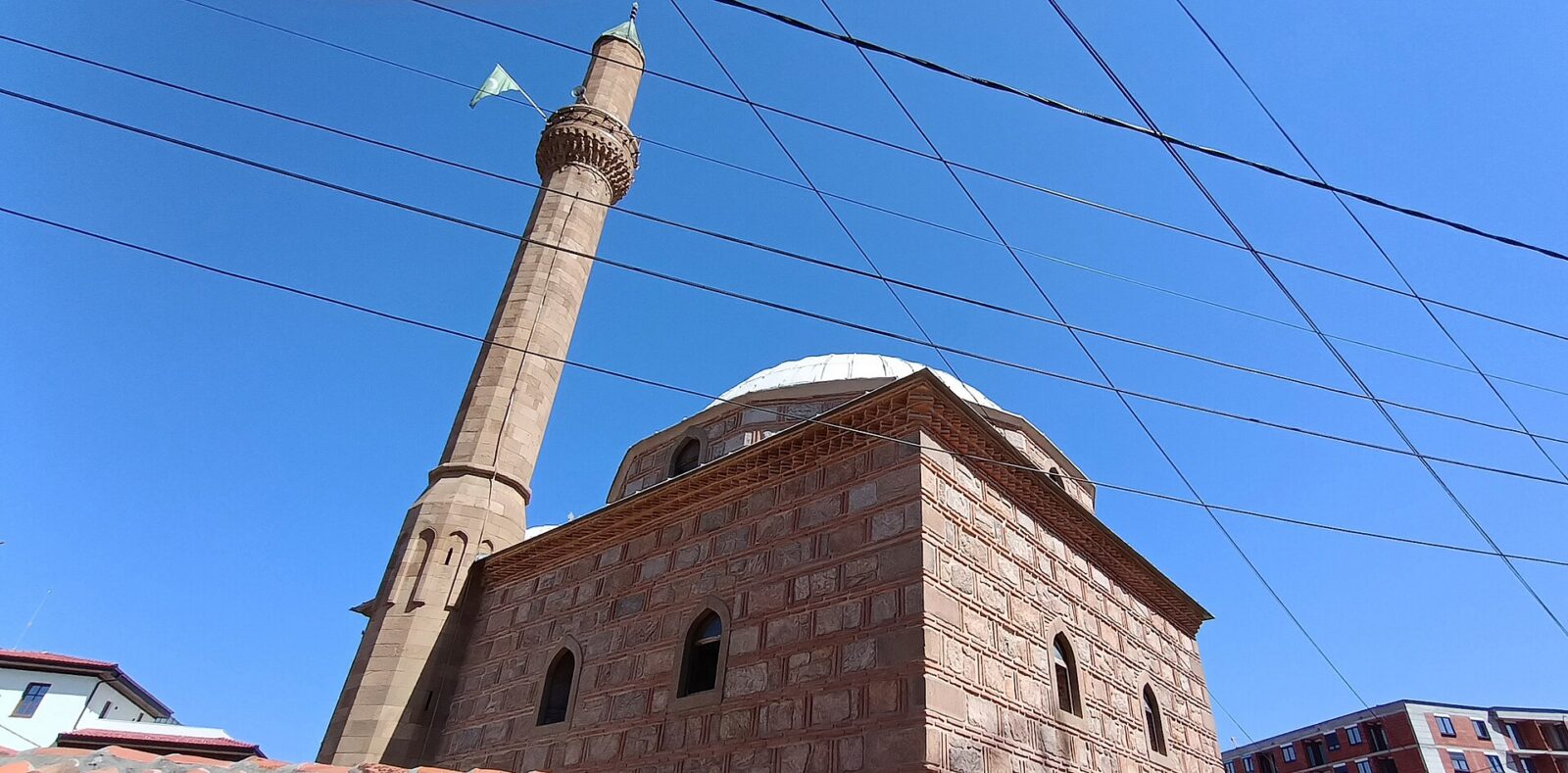
Altun-Alem mosque was built between 1516 and 1528 by the architect Muslihudin Abdulgani, known as Mujezin hodza Al Medini, and it carries category-I protected status as a monument of exceptional cultural significance. It is part of the same protected spatial ensemble as the fortress and the old bazaar, which is one reason the three sit so close together in the old town’s layout.
A working Ottoman-era bath
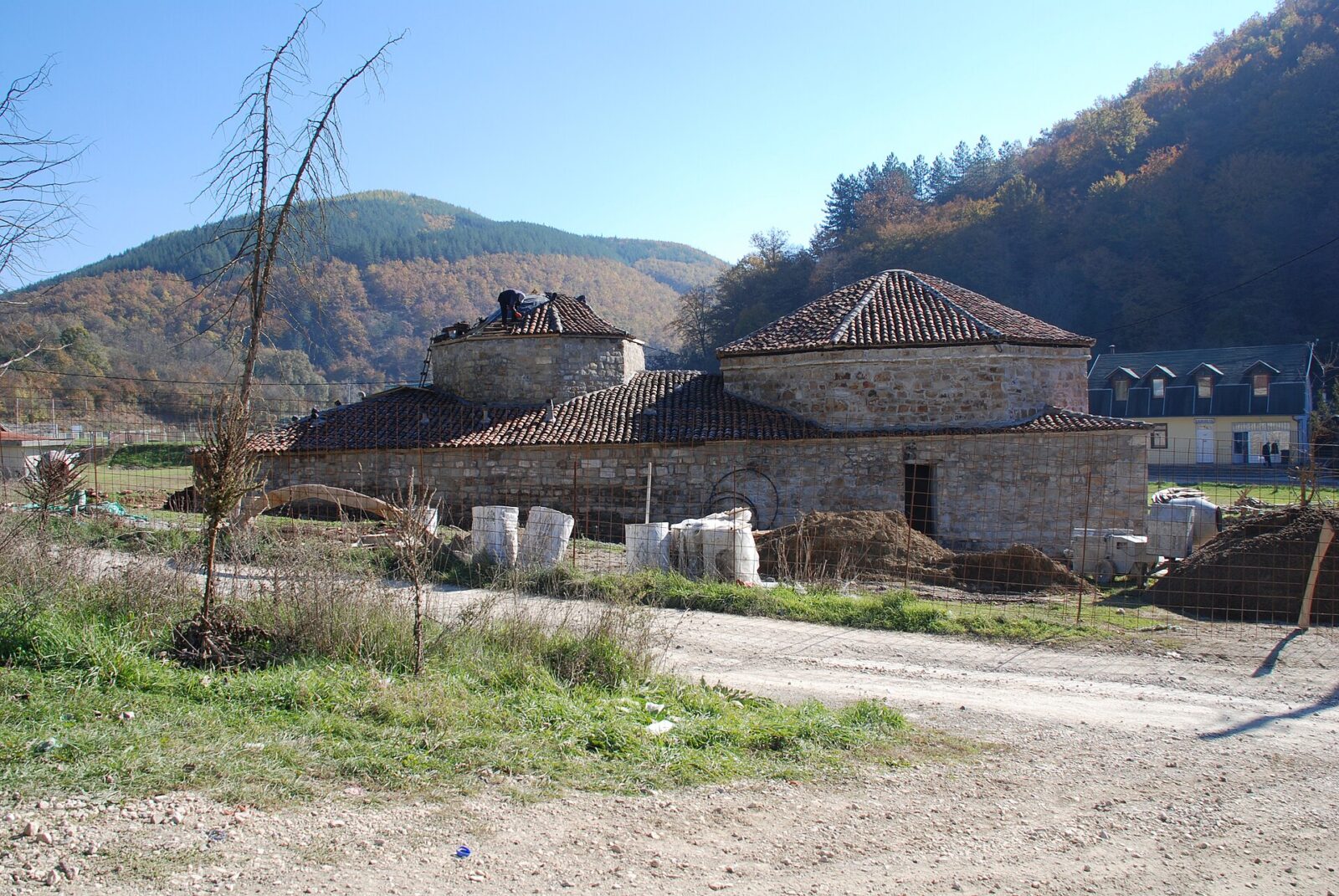
The Old Novi Pazar Spa hamam, a sixteenth-century Ottoman bathhouse with an inscription dated to 1593 or 1594, is not a museum piece: it still runs as a thermal bath, in separate sessions for men and women, with family time slots that can be booked. It was restored under the Kraljevo heritage institute working with the Islamic community, and it holds protected status as a cultural monument. Its own page does not publish session hours, prices or a booking method, so treat this as an active, bookable bath rather than a walk-in visit, and enquire locally before you build a schedule around it.
The old bazaar
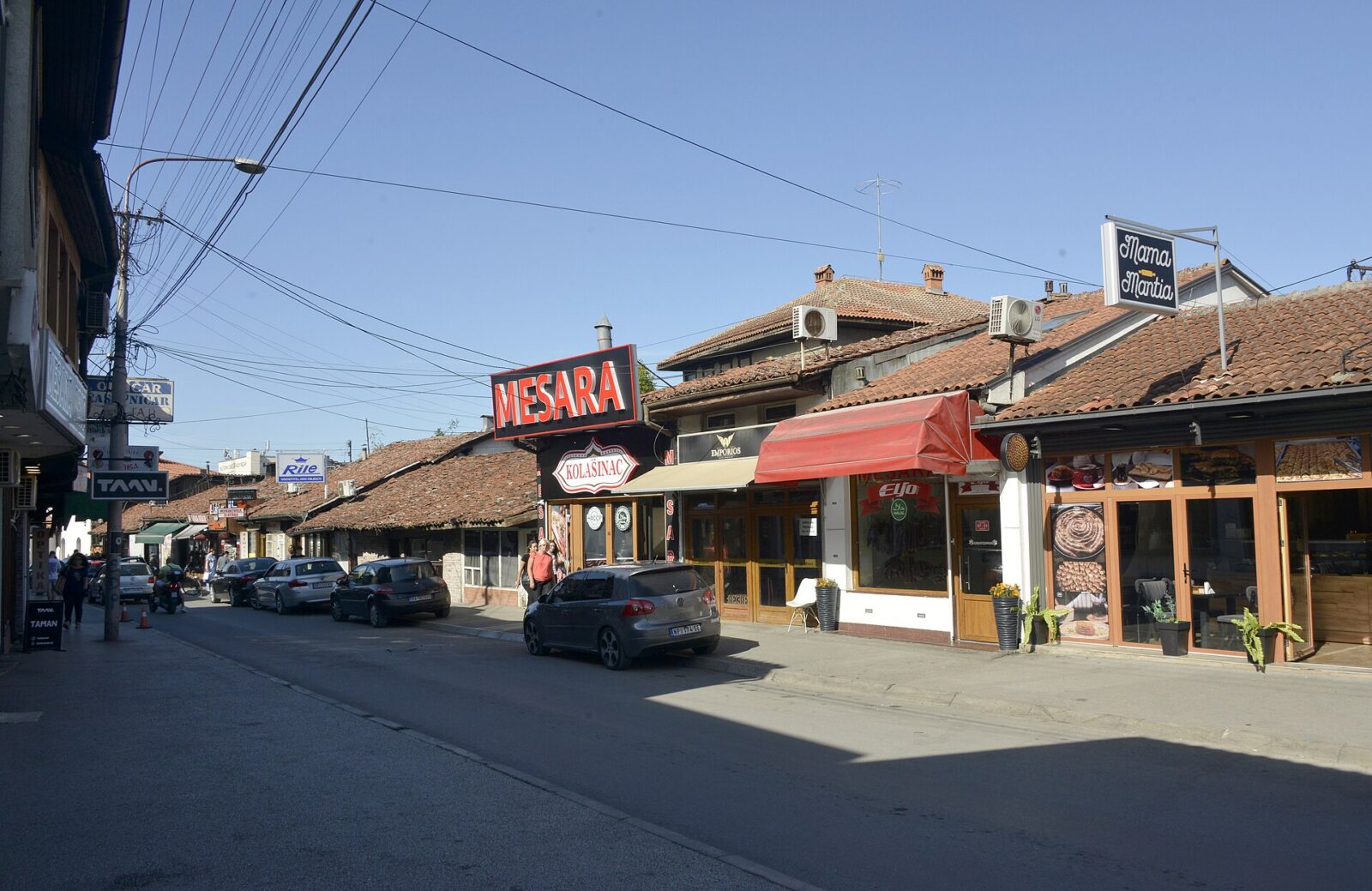
The old bazaar, or carsija, ties the fortress, the mosque and the hamam together on the ground. It is the part of the old town people mean when they talk about Novi Pazar’s Ottoman character: narrow commercial streets, craft workshops and small trading premises that have carried on the same function for generations, rather than a preserved museum piece behind glass. None of that is a formal visiting site with hours or tickets, so it rewards an unhurried walk more than a scheduled stop, and it is the natural link between the three protected monuments that share its wider designation.
What the mosques and churches don’t tell you
Novi Pazar has an unusually mixed religious heritage for a Serbian city of its size, with active mosques and churches close together in and around the centre.
No visiting hours are published anywhere. Checking the tourist board’s own dedicated pages for Lejlek mosque, Altun-Alem mosque, the Isa-begov hamam, Petrova crkva and Crkva Svetog Nikole turns up history and architecture only. None of the five states an opening time, a closing time, an admission fee, or a dress-code rule for visitors who are not there to worship. The mosques remain active places of worship, so dressing modestly and avoiding prayer times is ordinary courtesy rather than a documented requirement; nothing on the record tells you when a door will actually be open.
Reaching Sopocani and Studenica from here
Novi Pazar’s own tourist board presents Sopocani monastery as part of its heritage, alongside Djurdjevi Stupovi and the Stari Ras fortress site, even though the monastery itself sits on a separate page. The wider ensemble, known as Stari Ras with Sopocani, was inscribed on the UNESCO World Heritage List in 1979. That inscription covers the historic complex, not a single ticketed site, and it is the reason this area draws visitors who would otherwise skip the city.
Stari Ras was the seat of Serbia’s medieval rulers before the capital moved north, and the tourist board’s own framing groups Sopocani with Djurdjevi Stupovi and the fortress ruins as one historic landscape rather than a single building. That is useful context for deciding how much time to give the area: you are visiting a cluster of related medieval sites strung along the same stretch of country, not one monument with a car park next to it.
What the tourist board’s page does not give you is a distance or a route: neither its dedicated Sopocani page nor its “how to get here” page states a kilometre figure, a drive time, or a bus connection between Novi Pazar and the monastery. If you are planning that leg, treat it as unconfirmed and build in time to ask locally rather than trusting a number this guide does not have. Sopocani monastery and Studenica monastery each carry their own visiting details on their own pages.
How much time to give it
A morning covers the fortress park, Altun-Alem mosque from the outside, and a walk through the old bazaar area. Add the hamam if you have booked a session in advance. Most visitors use Novi Pazar as an overnight base before or after Sopocani and Studenica, rather than a full day in the city on its own, and the lack of published hours for the religious sites makes an open, unhurried schedule more useful here than a tightly timed one.
If you are self-driving from Belgrade, the 290 km run gives you enough time to arrive by early afternoon and still fit in a walking loop of the old town before the light goes. Coming by bus instead, plan on the four to five hours the tourist board itself quotes, plus whatever time it takes to reach the bus station in Belgrade, and treat your first evening here as arrival rather than sightseeing. Either way, an overnight stay works better than trying to see Novi Pazar and either monastery in a single long day from the capital.
Common questions
Can I get to Novi Pazar by train?
No. There is no railway station in Novi Pazar. The nearest one is in Raska, linked to the city by bus, though the distance and frequency of that connection are not published.
Is the fortress free to enter?
The tourist board describes the fortress interior as an open park with no ticket booth mentioned. It does not explicitly state that entry is free at all hours, so this page describes what is and is not ticketed rather than declaring unrestricted access.
Can I visit the mosques as a non-Muslim visitor?
Nothing official rules it out, but none of the city’s mosque pages publishes visiting hours or a dress code for outside visitors. Dress modestly, avoid prayer times, and ask locally rather than expecting a fixed visiting window.
Is Novi Pazar a good base for Studenica and Sopocani?
It is the base the region’s own tourist office points you toward, since it presents both the Stari Ras ensemble and Sopocani as part of its heritage. Neither monastery’s exact distance from the city is published on the tourist board’s pages, so confirm the route locally before you commit to a same-day plan.
How do I book the hamam?
The hamam’s own page confirms it runs separate sessions for men and women, plus bookable family time slots, but it does not publish a phone number, prices or hours on that page. Enquire locally before you plan a visit around it.
Nearby
The reason to come this far south is usually Sopocani monastery and Studenica monastery, both part of the wider Stari Ras heritage this region carries. If you are driving yourself down from Belgrade, read renting and driving a car in Serbia first for the conditions and paperwork. And if this is one leg of a longer trip, Serbia in 7 days covers how a stop this far south fits into a realistic route.